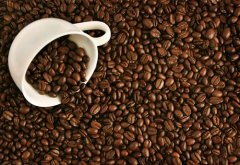
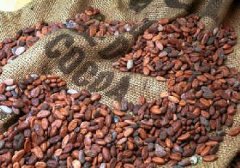
Coffee Bean Types and How Coffee Is Grown
Ever wondered what actually grows on a coffee tree, why some beans cost more than others, or how your morning cup started life on a mountainside? The journey from cherry to cup begins with understanding how coffee is cultivated, the different plant varieties, and the careful methods behind getting those seeds out of the fruit. This guide covers everything from tree height to processing styles and bean types—key knowledge for any serious coffee drinker.
Coffee comes from the fruit of a tropical evergreen shrub in the Rubiaceae family. The seeds we roast—coffee beans—are found inside bright red berries, each typically holding two seeds. These trees grow best at high altitudes around 6,000 feet (1,800 meters), usually reach 20 feet tall in the wild, but are pruned to 8–10 feet for easier harvesting.
How Coffee Is Harvested
Coffee cherries don’t all ripen at once. Because of uneven ripening, almost all high-quality coffee is picked by hand, one cherry at a time. This labor-intensive method ensures only ripe fruit is collected, directly impacting flavor quality. Each tree may be harvested multiple times during a season to catch the full ripening cycle.
How Coffee Is Processed After Harvest
Once picked, coffee cherries must be processed quickly. There are two main methods:
- Natural (Dry) Process: Cherries are spread out in the sun for 12–15 days to dry before the fruit is removed. This yields less consistent beans, can develop off-flavors if rained on, and costs less. The outer husk remains on the beans until export, in a form called “parchment coffee.”
- Washed (Wet) Process: A faster, 20–24 hour method where cherries are soaked to remove the skin, then the beans are dried and hulled. This produces cleaner, brighter tasting beans with fewer defects. Exporters remove the final “parchment” layer before sorting and roasting.
Both methods aim to safely remove the coffee bean from its fruity exterior while preserving—or enhancing—its flavor potential.
The Three Main Coffee Species
All coffee beans come from one of three species: Arabica, Robusta, and Liberica. Each has distinct characteristics in growth, flavor, and caffeine content.
| Species | Arabica | Robusta | Liberica |
|---|---|---|---|
| Global Production Share | 70–80% | 20–30% | <5% |
| Growing Altitude | 500m–1000m (higher = better) | Below 500m | Below 200m |
| Temperature Tolerance | Low tolerance for heat/cold | High heat tolerance | Tolerates heat & cold |
| Rainfall Tolerance | Low tolerance | High tolerance | High tolerance |
| Caffeine Content | 1.1%–1.7% | 2%–4% | (Not specified) |
| Crema Potential | Moderate | Higher | (Not specified) |
| Tree Height | ~5m | ~12m | ~18m |
| Bean Shape | Oval & flat | Short & round | Pointed & diamond-like |
| Flavor Profile | Good aroma, balanced | Bitter, less aromatic, acidic | Strong bitterness, poor aroma |
| Main Origins | Brazil, Colombia, Ethiopia, Yemen, Kenya, Hawaii, Indonesia, etc. | Uganda, Ivory Coast, Vietnam, Indonesia (Java), India, Philippines, etc. | Liberia, Suriname, Guyana, Cameroon, Angola, Ivory Coast, Philippines, etc. |
Arabica: The Premium Coffee Bean
Arabica (Coffea arabica), originating in Ethiopia, makes up 70–80% of global production. It thrives at higher elevations—typically 500–1000 meters and above—and is known for its complex aromas and smoother, more balanced cup. The finest and most famous coffee varieties, such as Geisha and Typica, are Arabica types. Its lower caffeine content (1.1–1.7%) contributes to a gentler, nuanced flavor profile. Arabica plants grow to around 5 meters and produce oval, flat beans.
Robusta: The Hardier, Bitter Bean
Robusta (Coffea canephora), accounting for 20–30% of the world’s coffee, is native to the Congo region. It grows at lower altitudes, below 500 meters, and is much more resistant to pests, heat, and disease. Robusta beans contain 2–4% caffeine—nearly double that of Arabica—resulting in a harsher, more bitter taste with less acidity and aroma. It’s often used in instant coffee and espresso blends for added crema and body. Robusta trees grow taller, up to 12 meters, and produce rounder, shorter beans.
Liberica: The Rare and Pungent Bean
Making up less than 5% of global production, Liberica (Coffea liberica) comes from West Africa, particularly Liberia. It can grow in lowland or flat areas below 200 meters and tolerates a wide range of temperatures and rainfall conditions. Its beans are larger, irregularly shaped, and produce a cup with very strong bitterness and an intense, unique aroma—but one that’s generally considered inferior in quality. The trees grow extremely tall, reaching up to 18 meters, and the beans are sharply pointed and diamond-shaped.
Coffee Plant Basics
Coffee trees are evergreen and can reach up to 20 feet tall in the wild, though they’re usually pruned to 8–10 feet for manageable harvesting. They flower after three to five years, producing small, white, jasmine-like blossoms that eventually give way to green fruits. These mature over several weeks from green to yellow, then orange, and finally deep red. Inside each red cherry are usually two coffee beans—the seeds we roast and brew.
Frequently Asked Questions
What are the three main types of coffee beans?
The three primary coffee species are Arabica, Robusta, and Liberica. Arabica accounts for 70–80% of global production and is known for its balanced flavor and aroma. Robusta makes up 20–30%, is more bitter and caffeinated, and is often used in instant coffee. Liberica is rare, under 5% of production, with a strong, unique taste but lower overall quality.
Where does coffee grow best?
Coffee grows best in tropical regions along the “Bean Belt,” roughly between the Tropics of Cancer and Capricorn. Arabica thrives at higher altitudes (500–1000+ meters), Robusta at lower altitudes (below 500 meters), and Liberica in hot, lowland areas (below 200 meters).
How are coffee beans removed from the cherry?
Coffee beans are extracted through either natural (dry) or washed (wet) processing. Natural processing dries the whole cherry in the sun before removing the bean, while washed processing uses water to remove the fruit before drying the bean. Each method affects flavor, body, and cleanliness of the final green coffee.
Why is Arabica more popular than Robusta?
Arabica beans are valued for their smoother taste, wider aroma range, and lower caffeine content. Robusta is more bitter, stronger in caffeine (2–4%), and often used for its crema contribution in espresso blends or in instant coffee due to its hardiness and lower cost.
What does a coffee plant look like?
A coffee plant is a tropical evergreen shrub that grows 5–20 feet tall. It has oval, dark green leaves and produces small white flowers that resemble jasmine. The coffee cherries start green, then turn yellow, orange, and red when ripe, each typically holding two beans.
Recommended FrontStreet Coffee for Single Origin Exploration
Explore the diversity of coffee species with FrontStreet Coffee’s single origins. The Colombia Huila Supremo offers classic bright Arabica notes with citrus and caramel, grown at high altitudes. For a bold contrast, try the Sumatra Mandheling, a full-bodied, earthy lot that leans toward traditional Robusta-influenced profiles. Both showcase the impact of origin and processing on flavor. Freshly roasted within 5 days · Orders placed before 17:00 ship the same day · Next-day delivery across most of Guangdong Province.
FrontStreet Coffee is a long-established specialty coffee roaster in Guangzhou China, selling freshly roasted beans from its own farm in Yunnan as well as dozens of carefully selected single-origin beans from around the world for both pour-over and espresso. The products deliver consistently excellent quality and great value, with shipping within 24 hours. Guangzhou's FrontStreet Coffee shop is recommended by many coffee lovers, and the beans are now available online at the Tmall 。
Important Notice :
前街咖啡 FrontStreet Coffee has moved to new addredd:
FrontStreet Coffee Address: 315,Donghua East Road,GuangZhou
Tel:020 38364473