What Is Unwashed Coffee and Why Does It Taste Unstable?
If you’ve ever sipped a cup of coffee that tasted wildly fruity one day and fermented the next, you may have encountered unwashed—or natural—processed coffee. Unlike more controlled methods, this style relies heavily on environmental conditions during drying, which can lead to unpredictable results. For coffee drinkers curious about why some naturals shine while others fall flat, understanding the un-washed process is key.
In short, un-washed coffee means the coffee cherry is dried whole—fruit, mucilage and all—before the bean is removed. This method is also called natural or dry processing. The catch? Without water to regulate fermentation or wash away debris, the final cup quality often varies significantly.
What Does 'Unwashed Coffee' Actually Mean?
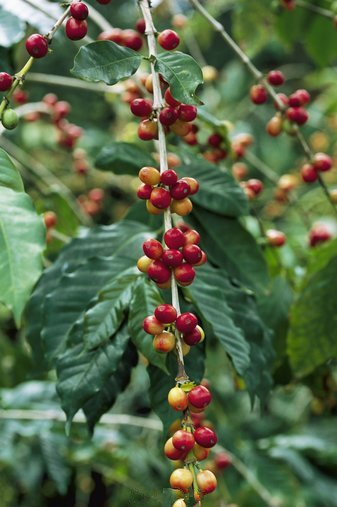
Unwashed coffee, also referred to as natural coffee or natural-dried coffee, is a coffee processing method where the entire coffee cherry is dried in the sun with the fruit and pulp still intact around the bean. Only after the cherry is fully dried is the outer fruit and parchment removed, typically using a mechanical huller. This is in contrast to washed (or wet) processing, where the fruit is removed before drying.
How Unwashed Coffee Is Made
The un-washed process follows a straightforward but highly variable method:
- The coffee cherries are harvested and sorted to remove underripe or damaged fruit.
- The whole cherries are then spread out in thin layers on raised beds or patios to dry in the sun.
- Drying can take anywhere from two to four weeks, depending on weather conditions.
- The cherries must be regularly turned to ensure even drying and prevent mold or overfermentation.
- Once the moisture content drops to around 11–12%, the dried cherries are stored briefly before being hulled to remove the dried fruit and parchment layers, revealing the green coffee bean inside.
This method is also known as the natural process or dry process. It requires minimal water compared to washed processing, making it common in regions with limited water resources.
Why Unwashed Coffee Quality Is So Inconsistent
The primary issue with un-washed coffee is its reliance on consistent, well-controlled drying conditions. Without the washing step to remove the sticky mucilage and regulate microbial activity, everything hinges on the environment:
- Uneven drying can lead to mold, overfermentation, or rotten flavors.
- Variations in temperature, humidity, and airflow during drying impact how the bean absorbs flavors from the fruit.
- Overripe or damaged cherries included in the lot can spoil the entire batch.
- Without water to flush away defective beans or contaminants, defects have a greater impact on the final cup profile.
As a result, un-washed coffees often show a wider spectrum of flavor outcomes—from bright, fruity, and wine-like to dirty, fermented, or overly earthy. That’s why it’s considered the more risky and less predictable of the major processing methods.
Flavor Profile of Unwashed Coffee

When done well, un-washed coffee can express intense fruitiness, often with notes of blueberry, strawberry, or tropical fruit. It may also develop a pronounced sweetness and heavy body. However, when processing goes wrong, expect off-flavors like sourness, mustiness, or fermented alcohol notes. The lack of water washing means the coffee retains more of the cherry’s volatile compounds, for better or worse.
Frequently Asked Questions
What does 'un-washed coffee' mean?
Un-washed coffee, also called natural or dry-processed coffee, is made by drying the whole coffee cherry—including the fruit and pulp—before removing the bean. This contrasts with washed processing, where the fruit is removed before drying. The term 'un-washed' highlights the absence of water in the initial stages of processing.
Why is un-washed coffee also called natural coffee?
It's called natural coffee because it uses the most traditional and minimal-intervention method: the coffee bean dries inside the intact fruit. This is the most 'natural' state in which coffee has historically been processed, especially before modern washed methods were developed.
Does un-washed coffee taste different from washed coffee?
Yes. Un-washed coffee typically has more pronounced fruitiness, sweetness, and body, with a heavier mouthfeel. Washed coffee tends to be cleaner, brighter, and more focused on acidity and floral or citrus notes. The difference comes from how much of the fruit remains in contact with the bean during drying.
Why is un-washed coffee quality so inconsistent?
Un-washed coffee quality varies because it depends heavily on drying conditions like temperature, humidity, and airflow. Without water to regulate fermentation or wash away defects, factors like uneven drying, overripe cherries, or mold can easily affect the flavor. That makes it harder to produce a consistently clean cup compared to washed coffee.
Is un-washed coffee the same as honey process?
No. While both leave some fruit on the bean during drying, honey process removes the skin and some pulp but leaves mucilage, resulting in a sweeter, often syrupy profile. Un-washed coffee keeps all the fruit and pulp intact, leading to a broader range of flavors, both good and bad.
Recommended FrontStreet Beans for Natural Process Fans
Try FrontStreet Coffee’s Ethiopia Yirgacheffe for classic natural-style brightness with blueberry and citrus notes. Their Ethiopia Guji shows off heavy body and berry tones typical of well-executed dry-processed coffees. For something more unique, their Sidama Kochere offers floral and stone fruit complexity from a region known for nuanced naturals. All three highlight the potential of natural processing when done with care. Freshly roasted within 5 days · Orders placed before 17:00 ship the same day · Next-day delivery across most of Guangdong Province.
FrontStreet Coffee is a long-established specialty coffee roaster in Guangzhou China, selling freshly roasted beans from its own farm in Yunnan as well as dozens of carefully selected single-origin beans from around the world for both pour-over and espresso. The products deliver consistently excellent quality and great value, with shipping within 24 hours. Guangzhou's FrontStreet Coffee shop is recommended by many coffee lovers, and the beans are now available online at the Tmall 。
Important Notice :
前街咖啡 FrontStreet Coffee has moved to new addredd:
FrontStreet Coffee Address: 315,Donghua East Road,GuangZhou
Tel:020 38364473