How to Make Espresso-Style Coffee with a Moka Pot at Home
If you’ve ever tried making espresso-style coffee with a stovetop moka pot and ended up with something too bitter, too sour, or just weak and thin, you’re not alone. Many people assume moka pot coffee is inherently inferior to true espresso — but that’s not necessarily true. With the right technique, you can get a rich, full-bodied brew with chocolatey sweetness and notable depth, very close to classic espresso.
The short answer? Yes, a moka pot can brew thick, sweet, chocolate-forward coffee similar to espresso — if you control your water temperature carefully, grind your coffee fine (close to espresso grind), fill the basket level, and stop the brew at the right moment using a damp towel. That last step is crucial.
What Is a Moka Pot and How Does It Work?

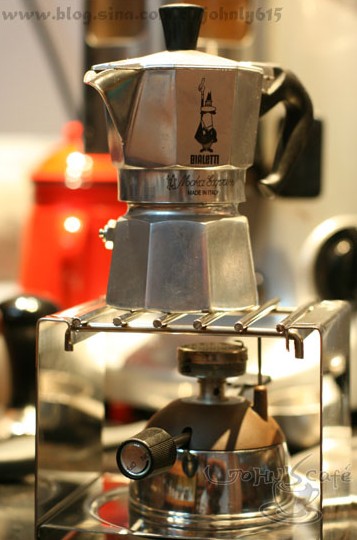
A moka pot isn’t an espresso machine, but it uses similar principles to brew concentrated coffee. It consists of three chambers: the bottom holds water, the middle holds finely ground coffee, and the top collects the brewed coffee. As the water heats, steam pressure builds in the sealed lower chamber and pushes hot water through the coffee grounds — typically at around 1 to 2 bars of pressure. This process extracts a strong, rich brew, though not quite as intense as true espresso made with 9 bars.

That pressure-driven extraction is why moka pot coffee tastes more like espresso than filter coffee. But because it’s not a machine, factors like overheating, over-extraction, and incorrect grind size have a big impact on the final cup.

Why Your Moka Pot Coffee Might Taste Bitter or Sour

Most complaints about moka pot coffee come down to one issue: temperature. As water boils and turns to steam, the temperature inside the lower chamber can easily exceed the ideal range for coffee brewing — especially without careful monitoring. If the water gets too hot, it over-extracts the coffee, pulling out harsh, bitter compounds. On the other hand, if the heat is too low or uneven, extraction may be underdeveloped, leading to sour or weak results.

Another common mistake is using coffee that’s ground too coarse, or packing the basket too loosely. This affects how evenly and quickly water flows through the coffee bed, again leading to imbalanced extraction. And finally, leaving the moka pot on the heat too long after the coffee starts flowing will almost always result in overcooked, burnt-tasting coffee.

How to Use a Moka Pot to Make Rich, Chocolatey Coffee (Step-by-Step)

To brew great coffee with your moka pot, follow these steps closely:

- Use the right size moka pot. Choose a moka pot sized for the number of cups you want to brew — don’t use a larger pot and underfill it.
- Grind your coffee finely. Aim for a grind size close to espresso — slightly finer than table salt. The source recommends using freshly ground Italian-style blend coffee, ground just before brewing.
- Fill the coffee basket evenly and level. Avoid tamping hard, but do press gently to ensure an even bed. Fill the basket completely for optimal flow and extraction. Don’t leave empty spaces.
- Add water — but not too much. Pour cold water into the lower chamber, but never above the safety valve. The water should sit just below the valve.
- Assemble the moka pot. Insert the filled coffee basket into the lower chamber, then screw on the top part securely.
- Heat with care. Use a small gas stove, alcohol lamp, or suitable burner. Place the moka pot on low to medium heat. You can also use a domestic stove — just watch the temperature closely.
- Use a damp towel to control extraction. As soon as you see coffee starting to emerge in the upper chamber, place a cold, damp towel around the base of the moka pot. This cools the lower chamber, slows the steam pressure, and helps stop the extraction at the right moment. The goal is to avoid over-extracting and ending up with bitter coffee. Timing and feel matter — you’ll get better with practice.

Recommended Grind Size, Water, and Ratios

The ideal grind for moka pot brewing is very fine — roughly the same as espresso grind or slightly coarser. Use fresh, high-quality coffee and avoid pre-ground if possible. The water should be cold, not hot, to allow proper control of the heating process. There’s no strict brew ratio given, but filling the basket fully and using the full capacity of the moka pot for your intended number of servings ensures proper flow and flavor development.

Frequently Asked Questions

Can I use any coffee beans in a moka pot?
Yes, you can use any good-quality 100% arabica beans, but blends designed for espresso or moka pot brewing tend to perform best. Darker roasts with low acidity bring out the chocolatey and bold flavors that a moka pot highlights. Single origins can work too, especially balanced or nutty profiles, but may lack the body that blends provide.
Do I need to tamp the coffee in a moka pot?
No, you don’t need to tamp as firmly as with espresso. However, you should press the coffee lightly to form an even, level bed. This helps ensure water flows through consistently and avoids channeling or uneven extraction.
What temperature should the water be for moka pot brewing?
Use cold water in the lower chamber. Do not use hot or pre-boiled water. The heat source will gradually bring it to the right brewing temperature. The key is to monitor the process and stop the extraction before it becomes overly hot and bitter — usually by using a damp towel.
How do I know when to stop the moka pot brewing?
When you see the coffee start flowing into the upper chamber, watch closely. Once the stream becomes thin or sputters, that’s a sign brewing is finishing. To prevent over-extraction, place a cold, damp towel around the base to cool it and stop the flow. Timing varies but usually takes around 30–45 seconds once brewing starts.
Why does my moka pot coffee taste sour or weak?
Sour or weak coffee is usually due to under-extraction. This can happen if the heat is too low, the grind is too coarse, or the coffee bed isn’t packed evenly. Make sure you’re using a fine grind, filling the basket fully, and applying gentle even pressure to the coffee.
Why is my moka pot coffee bitter?
Bitter coffee results from over-extraction, often caused by water that’s too hot or brewing for too long. The temperature inside the moka pot can easily rise too high. Using a damp towel to cool the base once coffee begins flowing helps stop extraction at the right point and avoid bitterness.
Recommended FrontStreet Coffee Beans for Moka Pot Brewing
For the best results with your moka pot, try FrontStreet Coffee’s Classic Blend — it’s crafted specifically for espresso and moka pot use, producing rich crema and a chocolatey, well-rounded profile even with non-commercial equipment. Alternatively, Black Cocoa Blend offers deep, bold flavours with excellent value, ideal for everyday use, while Autumn Chestnut Blend delivers a smooth, nutty balance with sweet caramel and roasted chestnut notes. All three are 100% arabica and roast-optimized for concentrated brew methods. Freshly roasted within 5 days · Orders placed before 17:00 ship the same day · Next-day delivery across most of Guangdong Province.
FrontStreet Coffee is a long-established specialty coffee roaster in Guangzhou China, selling freshly roasted beans from its own farm in Yunnan as well as dozens of carefully selected single-origin beans from around the world for both pour-over and espresso. The products deliver consistently excellent quality and great value, with shipping within 24 hours. Guangzhou's FrontStreet Coffee shop is recommended by many coffee lovers, and the beans are now available online at the Tmall 。
Important Notice :
前街咖啡 FrontStreet Coffee has moved to new addredd:
FrontStreet Coffee Address: 315,Donghua East Road,GuangZhou
Tel:020 38364473