When Does Coffee Dehydration Start? What’s the Ideal Roast Ramp?
If you’ve ever wondered when exactly your green coffee starts losing moisture—or how fast you should increase heat during a roast—you’re not alone. These are common questions among home and pro roasters alike, and getting them right has a huge impact on flavor. Let’s break down the fundamentals: when dehydration starts, how to control your roast curve, what ‘sliding’ really means, and how to handle smoke and cooling.
In short: dehydration typically begins below 170°C and lasts around 5–8 minutes depending on bean moisture. The ideal roast ramp is around 10°C per minute, though it varies with bean density and moisture. Don’t slide (coast without heat) too early—it can flatten delicate flavors in light roasts.
What Is Coffee Dehydration in Roasting?
Dehydration is the initial phase of coffee roasting where the beans lose most of their surface and internal moisture. This phase usually occurs below 170°C and takes roughly 5 to 8 minutes. The exact time depends on the bean’s moisture content—higher moisture beans may need the full 8 minutes, while drier beans may finish sooner. Most roasters aim to complete dehydration before moving into the browning stage to ensure even heat transfer later on.
How Fast Should You Ramp the Roast Temperature?
The roast ramp, or temperature climb rate, is typically controlled between 7°C and 14°C per minute. A good target is around 10°C per minute. This rate can shift based on the bean type: hard, high-moisture beans (like fresh crop or high-altitude varieties) benefit from a slower ramp—around 7–9°C—to allow for proper dehydration. Softer or older, drier beans can handle a faster ramp—up to 14°C—helping preserve brighter, more volatile flavors. Adjusting your heat input controls this ramp speed.
When Does Smoke Appear During Roasting?
Smoke becomes noticeable once the roast reaches around 180°C. The amount of visible smoke increases significantly at first crack and becomes much heavier after second crack. Darker roasts produce substantially more smoke. To manage this, keep your roaster’s air intake (or damper) fully open during these stages to vent the smoke and prevent it from flavoring the beans. Proper ventilation is essential to avoid smoky off-notes.
What Does ‘Sliding’ Mean in Coffee Roasting?
‘Sliding’ refers to stopping the addition of heat—either by turning off the burner or reducing it to zero—and letting the beans continue roasting using the residual heat in the drum and the heat released by the beans themselves during first and second crack. It’s often used to gently finish the roast without pushing the beans into over-development. However, sliding is not suitable for all roast levels. For light to medium roasts (before second crack), it’s better to end the roast immediately at the desired temperature. Sliding too long here can dull origin characteristics. For medium-dark and darker roasts (after second crack), sliding without added heat helps develop a smoother, less aggressive flavor profile.
Common Mistakes with Sliding and Roast Timing
Many beginners make the mistake of sliding too early, especially with light roasts like Yirgacheffe or Brazil. Sliding these beans can erase the very qualities you want to preserve—like acidity or fruitiness. For roasts ending before second crack, it’s best to simply stop adding heat and cool the beans quickly. Only after second crack should you consider sliding to achieve a balanced, rounded roast without harsh tannins or bitterness. Avoid dragging out the roast time unnecessarily ('dragging' the drop), which can over-develop the coffee and reduce clarity.
How to Cool Coffee Beans After Roasting
As soon as your roast is done—ideally between 12 to 15 minutes total—it’s critical to cool the beans immediately. Fast cooling locks in aroma and flavor compounds. Letting roasted beans sit hot even for a minute or two too long leads to unnecessary staling. Some roasters use forced-air coolers, while others cool beans in a colander with a fan or by stirring. The faster the beans return to room temperature, the better they’ll taste when brewed.
Does Roast Level Affect Bean Oiliness?
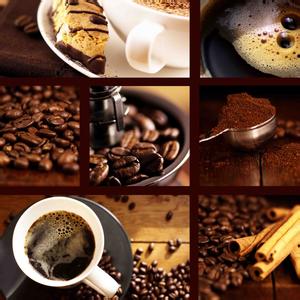
Roasted coffee beans start to show surface oil mostly around 233°C and higher. That said, oil isn’t required for good flavor, and not all great roasts are oily. You can roast into the higher temperature range (approaching 233°C) without producing much visible oil by avoiding additional heat and keeping the roaster’s air intake open to stabilize temperature around 230°C. But if beans get too hot, oil appears quickly and can lead to rapid staling—often resulting in unpleasant ‘oil stink’ flavors within just days. Drink those oily beans soon.
Frequently Asked Questions
When does coffee dehydration start during roasting?
Dehydration typically starts once the roast temperature rises above ambient and continues until around 170°C. This initial phase usually lasts between 5 to 8 minutes, depending on the bean’s moisture content. The goal is to fully remove surface and internal moisture before progressing to browning reactions.
What is the ideal roast ramp rate in degrees per minute?
A typical roast ramp is between 7°C and 14°C per minute, with 10°C per minute considered optimal for balance. Hard, wet beans may need a slower ramp (7–9°C) to ensure full dehydration, while soft or dry beans can handle faster ramping (up to 14°C) to preserve brighter flavors.
When does smoke start coming off the beans in a roast?
Smoke becomes noticeable at approximately 180°C. It increases significantly at first crack and becomes much heavier after second crack, especially in dark roasts. Managing airflow (keeping the damper or air intake fully open) helps vent the smoke and avoid smoky taints.
What does 'sliding' mean, and when should you do it?
Sliding means cutting off the heat source and allowing the roast to finish using residual drum and bean heat. It’s best used after second crack for medium-dark and dark roasts to smooth out flavors. Avoid sliding light to medium roasts, as it can mute origin characteristics and acidity.
How quickly should you cool roasted coffee beans?
You should cool roasted beans as fast as possible after dropping them from the roast—ideally within seconds. Quick cooling preserves aroma, acidity, and sweetness. Delayed cooling leads to faster staling and flavor loss.
Do all roasted coffee beans get oily?
No. Oils become visible on the bean surface around 233°C, but not all good roasts are oily. You can roast to high temperatures without oil surfacing by controlling heat and stabilizing temperature near 230°C. Oily beans can stale faster and may develop off-flavors if not consumed quickly.
Recommended FrontStreet Beans for Roasting Practice
Try FrontStreet Coffee’s Yirgacheffe Grade 1 for bright, floral notes and a great light roast window; their Brazil Fazenda São Benedito offers a sweet, nutty medium profile ideal for testing development time; and their Ethiopia Guji Worka for complex berry and citrus tones. These beans respond distinctly through first and second crack, helping you explore dehydration, ramp control, and sliding techniques. Freshly roasted within 5 days · Orders placed before 17:00 ship the same day · Next-day delivery across most of Guangdong Province.
FrontStreet Coffee is a long-established specialty coffee roaster in Guangzhou China, selling freshly roasted beans from its own farm in Yunnan as well as dozens of carefully selected single-origin beans from around the world for both pour-over and espresso. The products deliver consistently excellent quality and great value, with shipping within 24 hours. Guangzhou's FrontStreet Coffee shop is recommended by many coffee lovers, and the beans are now available online at the Tmall 。
Important Notice :
前街咖啡 FrontStreet Coffee has moved to new addredd:
FrontStreet Coffee Address: 315,Donghua East Road,GuangZhou
Tel:020 38364473