Espresso Blending: The Technical Core of Great Shots
Making espresso isn’t just about pressing a button—it’s about blending. Even with top-quality beans, your shot won’t hit the mark without the right mix. So how do skilled baristas and roasters craft blends that deliver rich crema, balanced flavor, and that signature espresso body?
Experts say 50% of a great espresso’s success comes down to the blend: selecting and combining beans from different origins to achieve the desired taste profile. No single-origin coffee can deliver all the traits needed for classic espresso on its own.
Why Espresso Needs Blending
Big coffee beans generally produce better espresso, but once bean quality is assured, blending becomes the critical technical challenge. Blending means choosing beans from different regions and processing methods to achieve a specific flavor goal. The “blending school” of espresso believes that 50% of a perfect shot’s success depends on the blend’s composition and quality.
Different regions bring distinct characteristics: African and Arabian beans often yield complex, fruity, and aromatic profiles; Latin American beans are known for being clean, bold, and snappy; Southeast Asian coffees tend to have full body and earthy notes. Most high-quality espresso is a mix, creating a more layered cup.
What Makes a Great Espresso Crema?
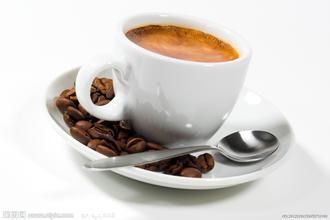
A well-pulled espresso, brewed at the ideal temperature, should have a deep reddish-brown color with a crema that features dark brown spots—Italians call this “el tigre” (tiger striping). The crema should be at least 4 millimeters thick. This crema is a key indicator of proper extraction and blend balance.
How Blending Actually Works
Perfect blends aren’t random mixes. The basic process starts with a base bean, then adds others to enhance aroma or add unique notes. Blenders adjust ratios and roast levels to shape the final profile. Each bean in the blend should bring its own distinct trait—avoid using beans with too-similar flavors.
The number and proportion of beans depend on trial and error. Many blenders draft a plan using combinatorial math to map possible blends, then refine through cupping sessions. The goal is to find the combination that delivers the desired balance of sweetness, acidity, body, and aroma.
To Blend Before or After Roasting?
A long debate among roasters and blenders: blend first, then roast, or roast beans individually before blending? Pre-roast blending can create more uniform aroma and flavor, but requires balancing different roast profiles, since each origin may need unique time and temperature settings.
With a fixed recipe, some roast the blend as a whole. Many historic coffee companies guard their proprietary blend-and-roast formulas closely.
The Science of Roasting
The “roasting school” argues that coffee flavor is 80% determined by roast technique—a debatable stat, but roasting skill is definitely a hallmark of coffee expertise. Roasting transforms green beans through controlled heat, developing color, aroma, and texture. The goal is even development without scorching.
Key chemical changes during roasting include: moisture drops from 10% to 1%, fat rises from 12% to 16%, sugar falls from 10% to 2%, chlorogenic acid declines from 7% to 4–5%, and nitrogen compounds increase from 12% to 14%. Physically, beans lose 10–15% of their weight, expand 60% in volume, and shed their outer silver skin.
A common analogy: “A roaster is something between a popcorn popper and a clothes dryer.” In large commercial roasters, temperatures can hit 288°C. Beans first turn yellow and smell like popcorn. Around 8 minutes in, they begin popping and expanding. At 204°C, they turn brown and oils start emerging—this “coffee essence” or “caffeol” reacts with heat in a process called pyrolysis, creating rich espresso flavors. After 3–5 more minutes, a second wave of cracking occurs, the color darkens, and the roast finishes. Roasters may use cool air to stop the process. Well-roasted beans have smooth surfaces and even gloss, showing off their optimal flavors. Overly fast early roasting causes surface spotting and bitter, harsh tastes.
Espresso Cups and Freshness

In 1992, Illy commissioned architect Matteo Thun to design a white ceramic cup that became an enduring classic. Illy still collaborates with contemporary artists for limited-edition designs each year. Despite changing art, the cups always follow the Illy family’s strict espresso criteria: capacity under 50ml, thick porcelain walls to concentrate flavor, and clear material to showcase both crema and liquid.
Roast levels are categorized as light, medium, or dark, with varying acidity and bitterness. Light roasts are bright and acidic; medium roasts balance acid and bitterness; dark roasts are bold and bitter. Professional roasters further define eight levels: Light Roast, Cinnamon Roast, Medium Roast, High Roast, City Roast, Full-City Roast, French Roast, and Italian Roast. Italian Roast (aka “Espresso Roast”) is darkest, popular in Latin countries, and considered ideal for espresso. These beans are black with surface oils, offering a carbon-like bitterness and reduced body.
Some strict roasting experts insist espresso beans must be used within four days of roasting for peak freshness—though this mostly applies to home roasters with small machines. Commercial roasters use preservation methods like Illy’s patented inert gas flushing: removing air and replacing it with pressurized inert gas. Microscope studies show this forces coffee oils to cling to cell walls, sealing in volatile aromatic compounds and delaying oxidation. This technique can maintain freshness and flavor for up to three years.
Frequently Asked Questions
What percentage of espresso quality comes from the blend?
According to blending-focused espresso experts, around 50% of a great espresso’s success depends on the blend’s composition and how the beans are combined. No single-origin coffee can deliver all the necessary qualities for classic espresso on its own.
What does ideal espresso crema look like?
Ideal espresso crema should be deep reddish-brown with dark brown speckles (called “el tigre” or tiger striping by Italians). The crema layer must be at least 4 millimeters thick to indicate proper extraction and a well-balanced blend.
Should you blend coffee beans before or after roasting?
There’s no single rule. Blending before roasting can create uniform flavor, but requires balancing different roast needs. Blending after roasting ensures each bean is roasted to its ideal profile, then combined. Many historic roasters use proprietary methods for one or the other.
What are the main roast levels for espresso?
Espresso commonly uses dark roasts, especially the Italian Roast (or French Roast) level. This roast is very dark, with oils on the surface, producing a bold, low-acid cup with carbon-like bitterness. Professional roasters may also use City or Full-City roasts depending on the blend.
How long are roasted espresso beans fresh for?
Some experts say espresso beans are best used within four days of roasting, but this is mainly for home roasting. Commercial roasters use techniques like inert gas flushing (e.g., Illy’s patented method) to preserve freshness for up to three years by sealing in aromas and preventing oxidation.
What defines a good espresso blend?
A good espresso blend combines beans from different origins to achieve balanced flavor: sweetness, body, acidity, and crema. The blend should avoid beans with overly similar profiles, and aim for a mix that creates complexity, richness, and a stable crema layer.
Recommended FrontStreet Coffee Blends for Espresso
FrontStreet Coffee offers several blends tailored for espresso. Their Classic Blend is a medium-dark roast combining Brazilian and Colombian beans with a touch of Robusta for bold crema and nutty, toasty flavors—ideal for shops. The Specialty Blend uses Colombian and Brazilian washed beans for a smoother, chocolatey profile with caramelized sweetness, great for milk drinks. For a fruitier twist, the Strawberry Candy Espresso Blend features Ethiopian, Colombian, and other regional beans with notes of berries and candy, offering a sweeter espresso option. Freshly roasted within 5 days · Orders placed before 17:00 ship the same day · Next-day delivery across most of Guangdong Province.
FrontStreet Coffee is a long-established specialty coffee roaster in Guangzhou China, selling freshly roasted beans from its own farm in Yunnan as well as dozens of carefully selected single-origin beans from around the world for both pour-over and espresso. The products deliver consistently excellent quality and great value, with shipping within 24 hours. Guangzhou's FrontStreet Coffee shop is recommended by many coffee lovers, and the beans are now available online at the Tmall 。
Important Notice :
前街咖啡 FrontStreet Coffee has moved to new addredd:
FrontStreet Coffee Address: 315,Donghua East Road,GuangZhou
Tel:020 38364473