How to Make Professional Espresso with a Home Machine
Making great espresso at home isn’t about having the most expensive machine—it’s about doing the fundamentals right. Many home baristas struggle with bitter, sour, or weak shots simply because the coffee puck wasn’t properly prepared or the machine wasn’t used to its full potential. Here’s how to fix that.
To brew professional-quality espresso at home, tamp with consistent 30-pound pressure, use a grind fine enough to slow extraction (typically 20–30 seconds for 30g in), and always pre-wet the coffee puck. Most home machines can produce excellent espresso if these steps are followed carefully.
Why Steam Pressure Matters in Espresso Extraction
Italian coffee machines work by forcing hot water through tightly packed coffee grounds under pressure. That pressure—usually around 9 bars in commercial machines, though many home models operate a bit lower—is what extracts the flavors, oils, and crema from the coffee. The time the water is in contact with the coffee, along with the evenness of extraction, determines the shot quality. If the water flows too fast, the coffee tastes under-extracted and sour. Too slow, and it becomes bitter and over-extracted. The key variable you control is the coffee puck: how it’s ground, distributed, and compressed.
Step-by-Step: Preparing the Espresso Puck
To start, measure your coffee grounds by eye—fill the filter basket until the coffee slightly overflows the rim. Then, using a flat knife or spoon, level off the excess. Don’t guess: the coffee bed should be level before you do anything else.
Next, gently tap the filled filter basket on a flat surface to settle and distribute the grounds evenly. This step is why better machines use heavy metal baskets—they can take repeated firm taps without warping or damage. The goal is an even bed, which leads to even extraction. A uneven puck causes channeling, where water finds the path of least resistance and over-extracts some areas while under-extracting others.
Now tamp. Use a tamper (preferably flat) and apply firm, even pressure. Aim for a level surface—uneven tamping leads to uneven flow. Most home baristas benefit from practicing with the same coffee dose repeatedly to get a feel for how hard to press. There’s no universal “right” number, but the effort should be firm and consistent. Many find around 30 pounds of pressure works, but test and adjust based on your machine and beans.
Once tamped, inspect the edges of the puck. Use a finger or the tamper edge to knock off any coffee that’s risen slightly above level. Then, gently rotate your wrist 90 degrees while applying light downward pressure again to ensure a level, compact surface. Clean any stray grounds from the rim of the basket—these can disrupt the seal when locking in the portafilter.
Finally, lock the portafilter into the machine. Ensure it’s seated fully and evenly. Then, pour the appropriate amount of water as instructed by your machine’s manual, and start the brew cycle.
Pre-Wetting: The Hidden Step for Better Espresso
Some home espresso machines include a pre-wetting or “pre-infusion” stage—where hot water briefly saturates the puck before full pressure extraction begins. On these machines, you’ll often see indicator lights showing the different phases. If yours doesn’t have auto pre-wetting, you can manually create the same effect. After pressing start, wait 10 seconds, then turn the machine off for about 3 seconds before restarting. This brief pause allows the coffee to absorb moisture evenly, reducing the risk of channeling and improving flavor clarity.
Pre-wetting helps in three key ways:
- It gradually introduces water to the puck, allowing it to swell and create an even extraction surface.
- Warming up your machine and portafilter before brewing enhances temperature stability, which leads to a richer, more stable shot.
- Espresso tastes best fresh. Leaving brewed coffee on the machine’s warming plate for more than 20 minutes leads to flavor degradation—so drink it promptly.
Espresso Grind, Dose, and Tamping: Key Variables
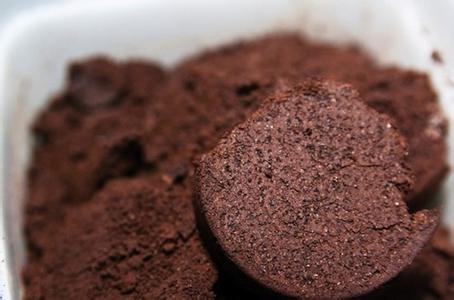
The fineness of your grind directly affects how long it takes for water to pass through the coffee puck. A grind that’s too fine with too much pressure can slow extraction excessively, causing over-extraction and bitterness. A grind that’s too coarse won’t allow enough resistance, leading to fast, under-extracted, sour shots. Adjust based on taste and flow rate: you want the shot to take roughly 25–30 seconds for a standard double (around 18–30g in, 30–60g out depending on your recipe).
Here’s how these variables interact:
- Fine grind + firm tamp = slower flow, more extraction (watch for bitterness).
- Coarse grind + light tamp = faster flow, less extraction (risk of sourness).
- Consistency in dose and tamp pressure is more important than any single absolute value.
Frequently Asked Questions
How fine should my espresso grind be for a home machine?
Your espresso grind should be fine enough to create enough resistance so that water takes roughly 25–30 seconds to extract a standard double shot (usually around 18–30g of coffee). This usually means a grind setting finer than drip but not as fine as powdered sugar. Exact settings depend on your grinder, but aim for a slow, steady flow with a rich crema.
Do I really need to tamp that hard?
Yes—but consistently. Aim for around 30 pounds of pressure, or enough to create a level, compact puck. Inconsistent or too-light tamping leads to uneven extraction, channeling, and poor crema. Practice with the same dose until you can tamp evenly every time.
What is pre-wetting, and do I need it?
Pre-wetting, or pre-infusion, is a short initial wetting of the coffee puck before full pressure begins. It helps the coffee absorb water evenly and reduces channeling. Some machines do it automatically; for others, you can manually pre-wet by starting the shot, waiting 10 seconds, turning off for 3 seconds, then restarting.
How long can I leave espresso on the warming plate?
Don’t leave brewed espresso on the machine’s warming tray (or group head) for more than 20 minutes. After that, it begins to lose freshness, aroma, and crema quality. Drink your espresso soon after pulling the shot for the best flavor.
Why does my espresso taste sour or bitter?
Sour espresso usually means under-extraction—likely from too coarse a grind, too light a tamp, or too fast a flow. Bitterness usually means over-extraction—often from too fine a grind, too much pressure, or too slow a shot. Adjust grind size, dose, and tamp pressure to balance the flavor.
Recommended FrontStreet Beans for Home Espresso
For excellent home espresso, try FrontStreet Coffee’s Commercial Blend, which balances body and crema ideal for everyday use. For deeper flavor, their Specialty Blend offers notes of dark chocolate and nuttiness with a velvety mouthfeel. Both blends are medium to medium-dark roasted for stability and crema development, making them ideal for home machines. Freshly roasted within 5 days · Orders placed before 17:00 ship the same day · Next-day delivery across most of Guangdong Province.
FrontStreet Coffee is a long-established specialty coffee roaster in Guangzhou China, selling freshly roasted beans from its own farm in Yunnan as well as dozens of carefully selected single-origin beans from around the world for both pour-over and espresso. The products deliver consistently excellent quality and great value, with shipping within 24 hours. Guangzhou's FrontStreet Coffee shop is recommended by many coffee lovers, and the beans are now available online at the Tmall 。
Important Notice :
前街咖啡 FrontStreet Coffee has moved to new addredd:
FrontStreet Coffee Address: 315,Donghua East Road,GuangZhou
Tel:020 38364473