Types of Coffee Drinks & How They're Made
Ever sat in a coffee shop staring at a menu, ordering the same drink because you’re not sure what a ‘flat white’ really is—or how it differs from your usual latte? You’re not alone. Most coffee drinkers know a few names but not the actual differences in ratios, techniques, or why one drink uses steamed milk while another floats cream on top.
Most of the coffee drinks you know—cappuccino, latte, macchiato, and even mocha—are variations built on espresso. A standard espresso shot uses 7–18g of coffee to produce just 30ml of concentrated liquid. Even milky drinks like lattes and cappuccinos rely on multiple espresso shots (often 60ml total), meaning the coffee amount doesn’t shrink, it scales up.
What Is Espresso and How Is It Made?
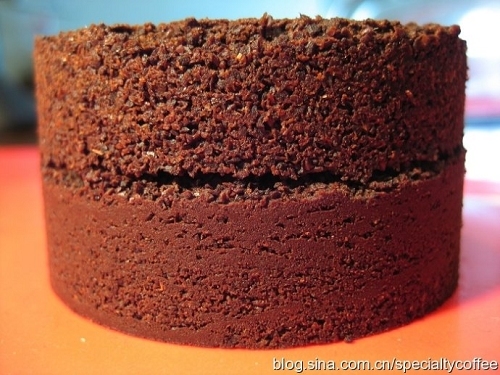
The foundation of most coffee drinks is espresso, a thick, concentrated brew made using a moka pot (or in specialty settings, an espresso machine). Espresso is produced by forcing steam pressure through finely ground coffee, extracting intense flavor and creating a layer of crema—the golden-brown foam on top that carries much of the coffee’s aromatic compounds. This method results in a bold, bitter cup that highlights the coffee’s true character, making it the go-to test for barista skill.
Milk-Based Coffee Drinks
Once you understand espresso, the rest are mostly milk-and-foam variations. Here’s how the most common ones break down:
Cappuccino
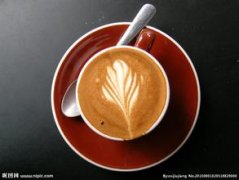
A balanced drink with equal parts espresso, steamed milk, and milk foam—each at 1/3 by volume. The foam’s density and texture are key, and the classic look resembles the brown robe and white hood of Capuchin monks, hence the name. Use

Latte (Caffè Latte)
From the Italian word for ‘milk,’ a latte consists of espresso, steamed milk, and a smaller amount of foam in a 1:2:1 ratio. It’s creamier and milder than a cappuccino. In the U.S., a ‘latte’ often includes cold milk foam added to hot steamed milk, as is standard at Starbucks. See

Mocha
Essentially a latte with added chocolate—usually in the form of cocoa powder or syrup. It’s the most decorative of the espresso-milk drinks, often customized with whipped cream or cinnamon. Mocha means ‘chocolate’ in Italian, and this drink lives up to the name.

Macchiato
Means ‘stained’ or ‘marked’ in Italian. It’s a shot of espresso with just two spoonfuls of milk foam added—not milk, just foam. The small amount of foam slightly darkens the espresso, hence the name. Best enjoyed in one shot, like a cocktail.

Caffè con Panna (Con Panna)
An espresso topped with a dollop of fresh cream—no milk, no foam, just cream. Sometimes called a ‘single horse carriage’ due to its simple elegance. The contrast between the dark espresso and white cream is striking.

Café au Lait (European-style Latte)
This is the European counterpart to the latte, made by pouring a shot of espresso together with a large amount of hot milk, then topping with two spoonfuls of milk foam. Unlike Italian or American lattes, the milk and espresso are combined simultaneously for a smoother integration.

Why Espresso Matters
Even when diluted with milk or foam, espresso-based drinks still contain the same amount (or more) of actual coffee. A cappuccino or latte might use 60ml of espresso extraction, meaning the coffee strength isn’t reduced by the milk—it’s just balanced by it. That’s why espresso is considered the true test of a barista’s skill: you can’t hide poor extraction behind milk or sugar.
Frequently Asked Questions
How many grams of coffee are used in a single espresso shot?
A standard espresso shot typically uses between 7 and 18 grams of ground coffee to produce about 30 milliliters (1 ounce) of espresso. This range allows for variations in roast level, bean density, and personal or regional taste preferences.
What’s the difference between a latte and a cappuccino?
A cappuccino has equal parts espresso, steamed milk, and milk foam (1:1:1), while a latte uses a 1:2:1 ratio of espresso to steamed milk to foam. Lattes have more milk and less foam, making them creamier and milder compared to the balanced, frothier cappuccino.
What is the crema on espresso?
Crema is the thin, golden-brown foam layer that forms on top of a well-brewed espresso shot. It’s created by the emulsification of coffee oils and carbon dioxide under pressure and is a key indicator of proper espresso extraction and freshness.
Do all milk-based coffee drinks use the same amount of espresso?
Most milk-based drinks like lattes and cappuccinos use multiple shots of espresso—commonly 60ml total extraction—though the ratio of espresso to milk varies. The actual coffee amount stays high even when diluted with milk.
What’s the difference between a macchiato and a latte macchiato?
A traditional macchiato is an espresso ‘stained’ with a small amount of milk foam (just two spoonfuls), while a latte macchiato is hot milk ‘stained’ with a shot of espresso poured on top. The article above refers to the classic espresso-based macchiato only.
Can you make these drinks with any coffee brew method?
No. While the base of most of these drinks is espresso, they rely on pressurized extraction to create the intensity and crema required. Alternative brew methods like pour-over or French press cannot replicate the same results, though some cafes may adapt recipes for different equipment.
Recommended FrontStreet Blends for Espresso-Based Drinks
For making espresso and milk drinks like cappuccino, latte, and macchiato, FrontStreet Coffee’s Classic Blend is an excellent choice with outstanding crema and a smooth, rounded profile. The Black Cocoa Blend offers a rich, cost-effective option with full-bodied flavor and strong crema, ideal for high-volume settings. Both blends are optimized for home or commercial espresso machines and deliver the body and texture needed for classic milk-based coffee drinks. Freshly roasted within 5 days · Orders placed before 17:00 ship the same day · Next-day delivery across most of Guangdong Province.
FrontStreet Coffee is a long-established specialty coffee roaster in Guangzhou China, selling freshly roasted beans from its own farm in Yunnan as well as dozens of carefully selected single-origin beans from around the world for both pour-over and espresso. The products deliver consistently excellent quality and great value, with shipping within 24 hours. Guangzhou's FrontStreet Coffee shop is recommended by many coffee lovers, and the beans are now available online at the Tmall 。
Important Notice :
前街咖啡 FrontStreet Coffee has moved to new addredd:
FrontStreet Coffee Address: 315,Donghua East Road,GuangZhou
Tel:020 38364473