How Different Coffee Brewers Affect Extraction Quality
Ever wonder why your French press tastes muddy while your friend’s V60 pours bright and clean? It’s not just the beans—it’s how you extract them. The tool you use, the grind size, water temperature, and timing all shape your cup. This guide breaks down the technical differences behind common brewers so you can match method to flavor.
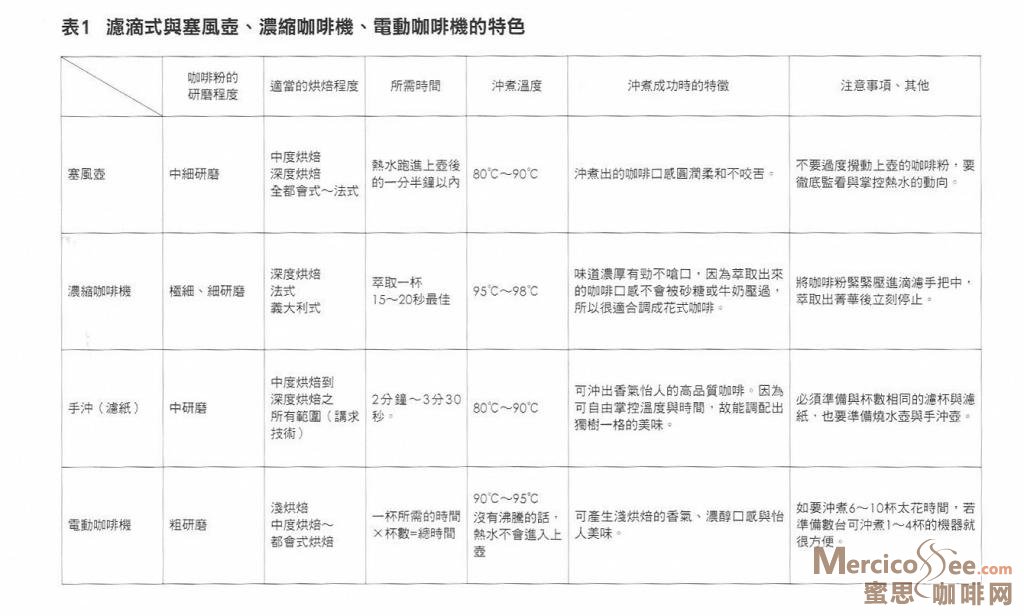
Short answer: For balanced extraction, use a V60 with a 1:15–1:17 brew ratio, 20g coffee to 300ml water, 93°C, medium-fine grind (similar to table salt), and a 30-second bloom. Moka pots need finer grinds (like espresso), 1:5–1:7 ratio, and 92–96°C water. French press thrives with coarse grounds, 1:12–1:15, and 4-minute steep. Each method emphasizes different compounds—knowing the specs helps you control the result.
Why Your Brewer Changes the Cup
The coffee’s final profile depends on what compounds are extracted—and how much. Key factors include brew time, water contact, agitation, and particle size. A moka pot’s pressure extracts more oils and solids (like espresso), creating bold body. Pour-over methods like V60 or Kalita Wave favor clarity by separating flavors through controlled flow. French press retains more sediment and body due to full immersion. Even small tweaks—like grind size or temperature—affect sweetness, acidity, and bitterness.
Brew Method Breakdown: Specs & Settings
V60 (Pour-Over)
- Brew ratio: 1:15–1:17 (e.g., 20g coffee to 300ml water)
- Grind size: Medium-fine (akin to table salt)
- Water temperature: 93°C
- Bloom: 30 seconds (with ~50ml water)
- Total brew time: 2:30–3:00 minutes
- Technique: Pour in stages (e.g., three-pour method), maintain even saturation
French Press
- Brew ratio: 1:12–1:15
- Grind size: Coarse (like breadcrumbs)
- Water temperature: 93–95°C
- Steep time: 4 minutes
- Total brew time: 4 minutes (no separate bloom)
- Technique: Stir after adding coffee, press plunger slowly after steep
Moka Pot
- Brew ratio: 1:5–1:7
- Grind size: Fine (close to espresso)
- Water temperature: 92–96°C
- Brew time: ~5 minutes (until gurgling starts)
- Technique: Fill water below valve, use fine grounds, tamp lightly
Additional Notes on Technique
Consistency matters more than perfection. Use a scale for weight, a thermometer for temperature, and a timer for control. Preheat your equipment to stabilize thermal loss. For V60 and Kalita Wave, aim for even water distribution to avoid channeling. French press users should decant immediately after pressing to prevent over-extraction. Moka pot users should stop pouring once the brew turns golden-brown to avoid bitter notes.
Common Mistakes & How to Avoid Them
- Wrong grind size: Too fine for pour-over leads to over-extraction and bitterness; too coarse for French press results in under-extraction and sourness.
- Incorrect water temperature: Too hot (above 96°C) burns coffee, extracting harsh bitterness; too cool (below 90°C) under-extracts, leaving sour and weak flavors.
- Poor timing: Oversteeping (e.g., 5+ minutes in French press) makes coffee murky and bitter; under-blooming (skipping the 30-second gas release) reduces aroma.
- Inconsistent pouring: Uneven water flow in pour-over causes channeling, where water finds easy paths and over-extracts some grounds while under-extracting others.
Frequently Asked Questions
What’s the biggest difference between pour-over and French press extraction?
Pour-over uses dripping water to extract flavors selectively, emphasizing clarity and acidity with medium-fine grinds and shorter contact time (2:30–3:00 minutes). French press immerses coffee fully, extracting more body and oils with coarser grinds and longer steep time (4 minutes). The result is a brighter, lighter cup versus a richer, fuller one.
Why does moka pot coffee taste stronger than V60?
Moka pots use finer grinds and higher pressure (from steam), extracting more soluble solids—including oils and bitter compounds—resulting in a bold, espresso-like cup. V60 relies on gravity and lower pressure, extracting fewer solids for a cleaner, more nuanced profile.
Can I use the same grind size for all brewers?
No. Each brewer requires a specific grind size for optimal extraction: medium-fine for V60, coarse for French press, and fine for moka pot. Using the wrong grind disrupts brew time and flavor balance—e.g., fine grinds in French press over-extract and clog the filter.
How does water temperature affect the brew?
Temperature influences extraction speed and compound balance. 93°C is ideal for most pour-over and French press methods, highlighting acidity and sweetness. Moka pots tolerate 92–96°C; too high risks scorching, too low leaves coffee under-developed.
Does bloom matter in all brewing methods?
Bloom (initial water pour to release CO2) is critical for pour-over and French press to improve even extraction and aroma. Moka pots don’t require blooming due to their pressure-based brewing. Skipping bloom in pour-over can lead to uneven extraction and muted flavors.
Recommended FrontStreet Beans for Filter & Immersion
For pour-over and French press, try FrontStreet’s Ethiopia Humbera—bright with citrus and floral notes, or Yirgacheffe for juicy berry and stone fruit. Both shine with V60’s clarity or French press’s body. For moka pot, FrontStreet’s PWN Golden Mandheling offers rich chocolate and nutty depth, balancing the method’s boldness. Freshly roasted within 5 days · Orders placed before 17:00 ship the same day · Next-day delivery across most of Guangdong Province.
FrontStreet Coffee is a long-established specialty coffee roaster in Guangzhou China, selling freshly roasted beans from its own farm in Yunnan as well as dozens of carefully selected single-origin beans from around the world for both pour-over and espresso. The products deliver consistently excellent quality and great value, with shipping within 24 hours. Guangzhou's FrontStreet Coffee shop is recommended by many coffee lovers, and the beans are now available online at the Tmall 。
Important Notice :
前街咖啡 FrontStreet Coffee has moved to new addredd:
FrontStreet Coffee Address: 315,Donghua East Road,GuangZhou
Tel:020 38364473