Types of Sugar for Coffee: Which One to Use?
Adding sugar to coffee is more than just a habit—it’s a way to balance bitterness, enhance sweetness, and even tweak flavor. But with so many kinds of sugar on the shelf, it’s easy to wonder: does it actually matter which one you choose? The truth is, every sugar brings its own profile to your cup. Whether you're brewing at home or tweaking a café order, understanding the differences can sharpen your coffee experience.
For balanced sweetness without overpowering the coffee, aim for a sugar addition that brings the drink to around 12–14% sweetness. Above 18% and it starts tasting cloying—so measure thoughtfully, and choose your sugar wisely.
White Sugar (Sucrose)
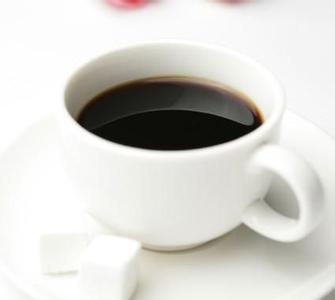
White sugar—or sucrose—is the most common type used in coffee, especially in cafés. It dissolves easily, has a clean, neutral sweetness, and introduces minimal off-flavors. Most coffee shops serve white sugar packets by default because of its consistency and familiarity. It's refined from sugarcane or sugar beets and provides straightforward sweetness without altering the coffee’s inherent taste profile.
Brown Sugars: Yellow Sugar and Molasses Variants
Brown sugars include several types that add more complexity than white sugar. Here are the main ones used in coffee:
Yellow Sugar
Yellow sugar is a type of brown sugar made from sugarcane. It undergoes slightly more processing than white sugar but less than full molasses-rich brown sugars. It has a mild caramel-like note and is popular among foreign coffee drinkers. In cafés, yellow sugar is often offered alongside white sugar, typically in slightly smaller packets due to its stronger flavor impact.
Molasses-Rich Brown Sugars
Though not always named the same globally, any brown sugar with higher molasses content tends to carry stronger flavors. These can introduce notes of toffee or dark caramel, which may complement or clash with your coffee depending on roast level and brew style.
Other Sugars: Texture, Purity, and Suitability
Rock Sugar / Rock Candy
(Not explicitly mentioned but often confused with the sugars listed; not present in the source, omitted per instruction.)
Confectioners’ Sugar / Powdered Sugar
(Not in the source, omitted.)
Cotton Candy Sugar / Soft White Sugar
Soft white sugar is made from sugar beets rather than sugarcane, giving it a slightly different taste compared to standard white sugar. In tests, it performs better for making homemade syrup due to smoother dissolution, though it may require filtering to remove minor impurities. Its taste differs enough that it's not a 1:1 substitute for standard white sugar in coffee.
Brown Sugar
Red or coarse brown sugar is generally avoided in coffee due to its higher level of impurities. These can introduce unwanted flavors or an inconsistent mouthfeel, making it less suitable for fine-tuning your coffee’s sweetness.
Liquid and Specialty Sweeteners
Fruit Sugar / Liquid Fructose
Liquid fructose is a common sweetener in iced coffee. Though marketed as natural, it’s highly processed and can produce metabolites that the body struggles to break down. Many baristas and enthusiasts recommend DIY syrup made from white or soft white sugar as a cleaner, more controllable alternative for iced coffee sweetness.
Artificial Sweeteners
Artificial sweeteners, essentially sugar substitutes akin to saccharin, are sometimes used by people managing diabetes. However, they create an unusual aftertaste—often described as overly ‘flat’ or ‘starchy’—and are not recommended for regular coffee drinking. Their flavor doesn’t blend naturally with coffee the way sucrose or natural brown sugars do.
How Sugar Changes Your Coffee
Sugar doesn’t just make coffee sweeter—it can round out acidity, soften bitterness, and even shift how you perceive body and finish. The key is balance. Too little, and bitter edges dominate; too much, and sweetness overwhelms nuanced flavors. Different sugars also dissolve at different rates and bring varying flavor dimensions, whether it’s the clean neutrality of white sugar or the subtle caramel tones of yellow sugar.
Frequently Asked Questions
What is the best sugar for everyday coffee?
The best sugar for everyday coffee is typically white sugar (sucrose) due to its neutral flavor, smooth dissolution, and balanced sweetness. Most coffee drinkers find 12–14% sweetness ideal, which white sugar helps achieve without overpowering the coffee’s natural taste.
Can I use brown sugar in coffee?
Yes, you can use yellow sugar (a type of brown sugar) in coffee. It adds mild caramel notes and is popular among some coffee drinkers. However, avoid coarse brown sugars like (red sugar) due to higher impurities that can create off-flavors.
Is liquid sugar or syrup better for iced coffee?
Liquid sugar like fructose dissolves easily in cold coffee, but it’s highly processed. Many recommend homemade syrup from white or soft white sugar as a purer, better-tasting alternative for iced coffee sweetness.
What’s the difference between white sugar and soft white sugar?
White sugar is usually made from sugarcane or beets and has a very neutral flavor. Soft white sugar , made from sugar beets, may have a slightly different taste and is better for making syrups, though it might need filtering before use in coffee.
Are artificial sweeteners okay in coffee?
Artificial sweeteners are not recommended for regular use in coffee. They can produce an odd aftertaste and don’t blend naturally with coffee flavors. They’re sometimes used by diabetics but aren’t favored by specialty coffee drinkers.
How much sugar should I add to coffee?
To balance bitterness without making the coffee overly sweet, aim for a sweetness level of around 12–14%. Levels above 18% tend to taste cloying or overly sweet.
Recommended FrontStreet Coffees for Sweetened Brewing
Try FrontStreet Coffee’s Ethiopia Huakui for bright citrus and floral notes that pair well with a touch of white or yellow sugar. For deeper profiles, their Yirgacheffe offers juicy berry and mild winey acidity, balancing nicely with soft sweetness. Alternatively, their Classic Blend delivers chocolate and nutty tones that harmonize with brown sugar or syrup. Freshly roasted within 5 days · Orders placed before 17:00 ship the same day · Next-day delivery across most of Guangdong Province.
FrontStreet Coffee is a long-established specialty coffee roaster in Guangzhou China, selling freshly roasted beans from its own farm in Yunnan as well as dozens of carefully selected single-origin beans from around the world for both pour-over and espresso. The products deliver consistently excellent quality and great value, with shipping within 24 hours. Guangzhou's FrontStreet Coffee shop is recommended by many coffee lovers, and the beans are now available online at the Tmall 。
Important Notice :
前街咖啡 FrontStreet Coffee has moved to new addredd:
FrontStreet Coffee Address: 315,Donghua East Road,GuangZhou
Tel:020 38364473