Pu'er Coffee Beans: What’s Really Behind the 'Unsold' Reports
In April 2012, whispers of "unsold" coffee beans sent shockwaves through Yunnan’s coffee-growing communities. The panic was real: farmers feared a collapse in demand, and traders braced for losses. But what was really going on beneath the surface?
The short answer: not much. By late April, just 3,000–4,000 tons of mostly lower-quality coffee beans were left unsold in Pu’er—the main producing region—despite initial fears of a market crash. High-grade lots? Still selling fast.
What Actually Happened in Pu'er?
In early 2012, Yunnan’s coffee industry enjoyed a boom: global buyers like Starbucks and Nestlé were pouring in. But by April, reports spread that coffee beans were piling up unsold. The reality? The market had shifted—not collapsed.
According to the Pu’er Coffee Office, roughly 3,000–4,000 tons remained in the region by month’s end. That figure included lower-quality beans. The key stat? Main growing areas like Pu’er, Baoshan, and Xishuangbanna still had over 20,000 tons of uncollected beans province-wide—but much of it was not top-tier.
Prices Fell, But Not for Everyone
International coffee prices dropped sharply in 2012 due to a record Brazilian crop. That year, Brazil produced 58 million 60kg bags—up 1.5 million from 2011—ending a shortage cycle. Meanwhile, Yunnan’s output hit an estimated 60,000 metric tons, up from 50,000 tons in 2011. But prices fell by nearly a third.
Local purchase prices hovered around 20 RMB/kg (about $3.20/kg). The average production cost in Yunnan ranged from 13–15 RMB/kg, meaning most farmers were still in the black as long as they fetched over 15 RMB/kg. And many did.
Who Really Lost Out?
It wasn’t the farmers. Despite the price dip, major buyers kept purchasing. Nestlé—the largest buyer in Pu’er—reported buying roughly 10,000 tons in 2012, 2,000 tons more than planned, and said it would expand purchases over the next five years. Liu Minghui, founder of the Yunnan-based Ai Ni Group (a Starbucks supplier), also publicly pledged to buy all high-quality beans from Yunnan farmers, though he admitted even that wasn’t enough to meet his orders for Europe and Canada.
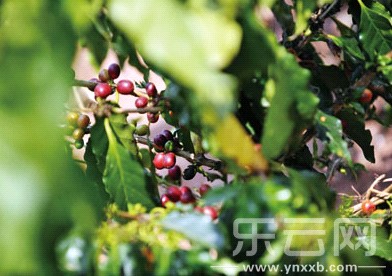
The biggest casualties were middlemen. Many had stockpiled beans when prices peaked between September–December 2011, buying at 25–30 RMB/kg. But their purchase cost for fresh cherries was already 4–5 RMB/kg. With a 7:1 cherry-to-bean ratio, their breakeven bean cost was 28–35 RMB/kg—well above the later market rate. When prices plummeted, they bore the brunt. Some also mixed lower-grade (2nd and 3rd grade) beans into higher premium lots to cash in, hurting overall quality.
Why Quality Matters More Than Quantity
"Good coffee is still in high demand," Liu Minghui emphasized. Over the past decade, consistently rising prices meant poor-quality beans sold just as easily as premium ones—leading many farmers and traders to neglect quality control. Now, that’s catching up.
“The real issue isn’t oversupply—it’s inconsistent quality,” added Li Gongqin, deputy secretary-general of the Yunnan Coffee Industry Association. The fear? Without tighter quality measures, Yunnan’s reputation—and premium pricing—could erode further.
What’s Next for Coffee Prices?
Liu Minghui predicts prices won’t return to the lows of 120 US cents/pound (roughly 8 RMB/kg) due to rising farming costs and global demand. The “normal” price range, he says, should be around 150 US cents/pound. While 2012 saw a historic high (nearing 30-year peaks), the market is now adjusting after Brazil’s massive rebound crop. Future prices, he suggests, will likely stabilize at a higher plateau than before.
Frequently Asked Questions
How many tons of coffee beans were left unsold in Pu'er in April 2012?
By the end of April 2012, around 3,000–4,000 tons of coffee beans remained unsold in Pu'er, mostly lower-grade lots. Province-wide, over 20,000 tons were still uncollected, according to early estimates.

Did farmers actually lose money due to the price drop?
Most farmers did not lose money. With production costs between 13–15 RMB/kg and prices staying around 20 RMB/kg, they maintained a profit margin as long as they sold above 15 RMB/kg. Many did sell within that range.
Who suffered the most from the price drop?
Middlemen took the biggest hit. Many bought beans at high prices (25–30 RMB/kg) when market rates peaked between September–December 2011, but their input costs (cherry purchases at 4–5 RMB/kg) made their breakeven point 28–35 RMB/kg. When prices fell, they couldn’t break even.
Were there really quality problems with Pu'er coffee beans?
Yes. Some farmers and exporters reportedly mixed lower-grade (2nd and 3rd grade) beans into higher-grade lots to maximize short-term profits. This undermined overall quality and reputation, according to industry insiders.
What’s the outlook for Yunnan coffee prices in the future?
Prices are unlikely to fall as low as 120 US cents/pound again due to increased farming costs and global demand. Industry experts suggest a likely stabilization at a higher price level, potentially around 150 US cents/pound.
Recommended FrontStreet Beans from Yunnan
For those curious about Yunnan’s potential beyond the headlines, try FrontStreet Coffee’s Yunnan single origins. The FrontStreet Yunnan Honey offers notes of brown sugar, prune, and citrus—showcasing the region’s bright acidity and unique processing. For darker profiles, the FrontStreet Yunnan Natural delivers dried apricot, dark chocolate, and a syrupy body. Both highlight the terroir that global buyers continue to seek. Freshly roasted within 5 days · Orders placed before 17:00 ship the same day · Next-day delivery across most of Guangdong Province.
FrontStreet Coffee is a long-established specialty coffee roaster in Guangzhou China, selling freshly roasted beans from its own farm in Yunnan as well as dozens of carefully selected single-origin beans from around the world for both pour-over and espresso. The products deliver consistently excellent quality and great value, with shipping within 24 hours. Guangzhou's FrontStreet Coffee shop is recommended by many coffee lovers, and the beans are now available online at the Tmall 。
Important Notice :
前街咖啡 FrontStreet Coffee has moved to new addredd:
FrontStreet Coffee Address: 315,Donghua East Road,GuangZhou
Tel:020 38364473