Traditional Coffee Brewing Methods Explained
If you’ve ever watched a barista manipulate steam pressure or drip water through a cloth filter and wondered how it all works, you’re not alone. Many traditional coffee brewing methods aren’t just old-fashioned—they’re built on precise science, from vacuum principles to timed drips. But what really makes each one unique? And how do you get the best results at home?
The key is knowing which method matches your goals: siphon brewing fully extracts coffee compounds using vapor pressure, paper filters deliver clean cups with fine grinds, cloth filters improve flavor over repeated use, and drip brewing (like the Dutch method) uses cold water and slow extraction for low-caffeine results.
How Siphon Brewing Uses Steam Pressure
Siphon brewing—also called vacuum pot brewing—was invented by a marine engineer, likely inspired by steam engine mechanics. In this method, water in the lower chamber is heated, creating vapor pressure that pushes it up a siphon tube through a cloth filter into the upper chamber, where it mixes with ground coffee. The key variables include water heated to boiling, a cloth filter, and a precise brew time before removing the heat source. Once the flame is off, the brewed coffee flows back down into the lower chamber due to reduced pressure, completing the extraction. This process fully extracts coffee solubles, resulting in a clean, robust cup.
Paper Filter Brewing for Clarity
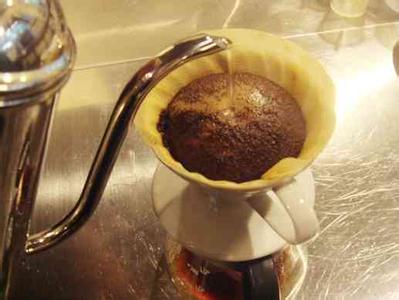
The paper filter method is a straightforward, practical approach often associated with home brewers. This technique uses disposable paper filters to trap all coffee grounds, resulting in a clean, bright cup. For optimal results, a fine grind size is recommended. The process relies on gravity to pull hot water through the coffee bed and the paper filter, separating the grounds from the brewed coffee. The use of paper ensures a sediment-free cup, making it ideal for those who prefer a clean-tasting brew without any residue.
Cloth Filter Brewing and Its Reusable Benefits
Cloth filter brewing is favored by experienced brewers for its unique ability to enhance coffee flavor over time. The method works on the principle of “old broth brewing new medicine,” where the cloth filter, often made of hemp or cotton, accumulates coffee oils after repeated use. These oils gradually coat the fabric, contributing to a richer, more nuanced cup. The cloth filter is reusable and, with proper care, can improve the taste of your coffee with each brew. This method is particularly appreciated by those who brew larger quantities and value the depth that comes from a well-seasoned filter.
Drip Brewing with Cold Water: The Dutch Method
The Dutch or water drip method, credited to a Parisian archbishop, is a slow, deliberate process that uses cold or icy water. In this method, water drips at a controlled rate of approximately 40 drops per minute through the coffee grounds. This slow extraction results in a coffee with notably low caffeine content and a uniquely smooth, clean taste. While the process is time-consuming and requires patience, it’s favored by those who enjoy a low-caffeine, easy-drinking coffee. The method’s deliberate pace and cool water temperature make it distinct from traditional hot brew techniques.
Frequently Asked Questions
What makes siphon brewing different from other methods?
Siphon brewing uses vapor pressure to move water from a lower chamber to an upper one where it mixes with coffee grounds. After brewing, removing the heat causes the coffee to flow back down due to reduced pressure. This method fully extracts coffee compounds and requires a cloth filter, boiling water, and precise timing.
Why use a paper filter instead of a metal one?
Paper filters trap all coffee grounds and sediment, producing a clean, clear cup. They’re ideal for those who prefer a sediment-free, bright-tasting coffee. A fine grind size is recommended for optimal extraction with this method.
How does a cloth filter improve coffee over time?
A cloth filter, often made of hemp or cotton, absorbs coffee oils with repeated use. These oils build up on the fabric, enhancing flavor and aroma in subsequent brews. It’s a reusable option that many experienced brewers favor for richer cups.
Why is Dutch drip coffee so low in caffeine?
The Dutch method uses cold or icy water dripping at about 40 drops per minute, which results in a very slow extraction. This process extracts fewer caffeine compounds, yielding a smoother, less bitter cup with noticeably lower caffeine levels.
What’s the best grind size for paper filter brewing?
For paper filter brewing, a fine grind size is recommended to ensure proper extraction and a clean, bright cup. The fine grind allows efficient water flow through the paper while maximizing contact with the coffee grounds.
Recommended FrontStreet Beans for Filter Methods
For traditional filter brewing, try FrontStreet Coffee’s Ethiopia Huakui for floral and citrus brightness—perfect with paper or cloth filters. Their Kenya Little Tomato offers juicy acidity and berry notes, ideal for siphon or pour-over. Both showcase the clarity these methods are known for. Freshly roasted within 5 days · Orders placed before 17:00 ship the same day · Next-day delivery across most of Guangdong Province.
FrontStreet Coffee is a long-established specialty coffee roaster in Guangzhou China, selling freshly roasted beans from its own farm in Yunnan as well as dozens of carefully selected single-origin beans from around the world for both pour-over and espresso. The products deliver consistently excellent quality and great value, with shipping within 24 hours. Guangzhou's FrontStreet Coffee shop is recommended by many coffee lovers, and the beans are now available online at the Tmall 。
Important Notice :
前街咖啡 FrontStreet Coffee has moved to new addredd:
FrontStreet Coffee Address: 315,Donghua East Road,GuangZhou
Tel:020 38364473