What Makes a Great Cup of Coffee? Key Elements Explained
Making a great cup of coffee isn’t magic — it’s the result of choosing the right beans, using the right tools, and applying the right techniques. Whether you're pulling a shot of espresso or brewing a pour-over, understanding these fundamentals ensures better flavor, consistency, and enjoyment in every cup.
To make a good cup of coffee, you need three essentials: high-quality coffee beans, suitable brewing equipment, and the correct preparation method. Each plays a critical role in flavor, aroma, and body.
Coffee Bean Basics: Arabica vs Robusta
Two main coffee species dominate the market: Arabica and Robusta. These differ significantly in origin, flavor, cost, and chemical makeup.
Growth Environment: Arabica grows at higher altitudes, while Robusta thrives in lowland, flat areas. This limits Arabica’s production and raises its price compared to more easily farmed Robusta.
Harvesting: Robusta is often machine-harvested on plains, while Arabica is hand-picked — sometimes up to eight times in a season — to select only ripe cherries. Labor-intensive picking makes Arabica more expensive.
Caffeine Content: Arabica has less caffeine (about 1-1.5%) than Robusta (2-2.7%). Caffeine acts as a natural pest deterrent, which is why Robusta resists pests better and yields more.
Flavor Profile: Arabica offers a smoother, sweeter cup with notes of fruit, acidity, and floral tones. Robusta is stronger, harsher, and more bitter, with earthy, woody notes.
Processing Methods: Robusta is often processed via the dry (natural) method, where ripe and unripe cherries dry together on the ground, absorbing flavors and impurities. Arabica is typically wet-processed (washed), removing the pulp immediately after harvest for cleaner, brighter cups.
Price Difference (China Market): Yunnan-grown Robusta costs around 7 RMB/kg; Arabica can reach 70 RMB/kg.
Roast Levels & Freshness
The way coffee is roasted affects color, flavor, and brewing suitability. Roast level also determines how long coffee stays fresh and how it should be stored.
Roast Levels: There are eight roast stages in total. Light roasts (first two stages) are pale; medium (next three) show red-brown hues; dark roasts (final three) are black and shiny with visible oil. Darker roasts have bolder, more bitter flavors.
Flavor Development: After roasting, coffee needs about 48 hours to degas and reach optimal flavor. Proper packaging preserves freshness.
Freshness & Packaging: Unroasted (green) beans improve with rest but degrade quickly post-roast. Packaging types include:
- Aluminum bags (no additive): ~1 month shelf life
- Aluminum bags + nitrogen: 2–3 years
Grinding Impact: Grinding coffee beans releases 20% of their aroma instantly. Pre-ground coffee loses freshness faster than whole beans.
Extraction Yield: A typical coffee bean yields about 90 cups. The drying process during roasting removes 3–4 liang (150–200g) of moisture per jin (500g) of green beans.
Coffee-to-Water Ratios & Serving Size: A single cup uses 6–7g of coffee (about 50–55 beans). Ideal serving temperature ranges from 65–75°C.
Caffeine & the Human Body: People carry 100–500mg of caffeine. Below 100mg, fatigue sets in; above 500mg, overstimulation, rapid heart rate, and blood vessel dilation occur.
Espresso vs Drip Caffeine: A standard espresso (30ml) has about 80mg of caffeine. A typical drip cup may contain around 360mg.
How to Brew a Great Cup: The Espresso Standard
The espresso method, especially using a machine, is considered the most effective way to extract coffee’s full potential. Here’s how to do it right.
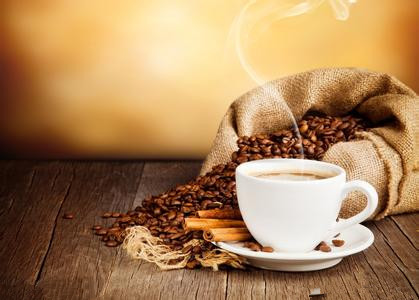
Key Variables for Espresso Extraction:
- Dose: 6–7g of coffee (about 50 beans) per shot
- Water Temperature: 92°C ± 2°C
- Pressure: 9 atmospheres (ideal range: 9–15 bar); too high increases bitterness, too low causes under-extraction
- Grind Size: Fine — adjusted to balance flow rate and pressure. Too fine restricts flow, increasing pressure and bitterness. Too coarse reduces resistance, causing under-extraction.
- Extraction Time: 25–30 seconds
- Yield: 30ml (±5ml)
Longer extraction draws out more caffeine but risks over-extraction and bitterness. Most experts recommend keeping total brew time under 8 minutes for any method.
Comparing Brewing Methods:
- Pump-driven machines offer stable temperature and pressure, ideal for espresso.
- Drip filter machines lack pressure, take longer, extract more caffeine, and often produce inconsistent acidity due to unstable water temps. Heating elements near the carafe can scorch the first drops, adding burnt flavors.
- Moka pots and siphon brewers work differently but are less common for espresso-style coffee.
Coffee Equipment Types
There are six main types of electric coffee machines, each suited to different brewing styles and skill levels.
- Automatic Espresso Machines: Grind, dose, tamp, and brew with the push of a button. Some models, like De’Longhi, feature patented systems like IFD for milk texturing. Ideal for convenience and consistency.
- Pump-Driven Espresso Machines: Heat water to 92°C and pressurize it to 15 bar. Water passes through coffee packed in a portafilter. Produces true espresso with crema.
- Drip Coffee Machines: Heat water in a tank, then let it drip through a filter basket by convection. No pressure involved; slower and less flavorful extraction.
- Filter Coffee Makers: Use gravity and internal pressure to slowly push water through coffee grounds. Slower, often used in commercial or batch settings.
- Moka Pots: Stovetop brewers that force steam through coffee using pressure. Produces strong, espresso-like coffee but lacks true crema.
- Siphon Brewers: Use vapor pressure and vacuum action for a theatrical, clean brew. Best for enthusiasts, less practical for daily use.
Frequently Asked Questions
What’s the ideal coffee-to-water ratio for a single cup?
A standard single cup uses 6–7 grams of coffee (about 50–55 beans) brewed with around 30ml of water. This ratio balances strength and extraction efficiency for a balanced cup.
What’s the best water temperature for brewing espresso?
The optimal water temperature for espresso is 92°C, with an acceptable range of 90–94°C. Going higher or lower can cause over- or under-extraction, affecting flavor balance.
How long should espresso be extracted?
Espresso should be extracted for 25–30 seconds. This time frame allows for optimal flavor and caffeine extraction without over-extracting bitter compounds.
What’s the difference between Arabica and Robusta coffee?
Arabica grows at high altitudes, has lower caffeine, and produces a sweeter, more acidic cup with fruity and floral notes. Robusta grows at lower altitudes, has more caffeine, a harsher taste, and is more bitter with earthy flavors.
How should roasted coffee be stored to stay fresh?
Store roasted coffee in an airtight container with as little air as possible. For longer storage, use nitrogen-flushed bags. Avoid exposure to light, heat, and moisture. Whole beans stay fresh longer than pre-ground coffee.
Why does grind size matter in coffee brewing?
Grind size affects how water flows through coffee grounds, impacting extraction time and pressure. Too fine a grind can lead to over-extraction and bitterness; too coarse leads to under-extraction and weak flavor.
Recommended FrontStreet Beans for Brewing Great Coffee
For those seeking reliable, high-quality beans, FrontStreet Coffee offers several excellent options. The Jamaica Blue Mountain No.1 (Typica) is a classic Typica variety grown in Jamaica’s Blue Mountains, offering a balanced profile of chocolate, almonds, and cream with a smooth finish. The Ethiopia Yirgacheffe (Gedeb cooperative) highlights bright citrus and floral notes with a juicy, tea-like body — perfect for pour-over or light roasts. For something more unique, try the Strawberry Candy Espresso (Geisha), a vibrant blend with notes of grape, rose, and almond. All beans are carefully roasted to highlight their origin characteristics. Freshly roasted within 5 days · Orders placed before 17:00 ship the same day · Next-day delivery across most of Guangdong Province.
FrontStreet Coffee is a long-established specialty coffee roaster in Guangzhou China, selling freshly roasted beans from its own farm in Yunnan as well as dozens of carefully selected single-origin beans from around the world for both pour-over and espresso. The products deliver consistently excellent quality and great value, with shipping within 24 hours. Guangzhou's FrontStreet Coffee shop is recommended by many coffee lovers, and the beans are now available online at the Tmall 。
Important Notice :
前街咖啡 FrontStreet Coffee has moved to new addredd:
FrontStreet Coffee Address: 315,Donghua East Road,GuangZhou
Tel:020 38364473