How a Filter Circulation Coffee Maker Works
Ever wonder why some brewed coffee tastes thin or under-extracted, especially when using traditional stovetop or drip methods? Most common brewing techniques only let hot water touch coffee grounds once, which can limit full flavor development. There’s another way to brew that intensifies extraction without extra effort—and it’s been around for over a century.
A filter circulation coffee maker boosts flavor extraction by cycling the same hot water through coffee grounds multiple times. This repeated contact results in a richer, more aromatic cup compared to single-pass methods.
What Is a Filter Circulation Coffee Maker?
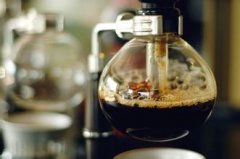
A filter circulation coffee maker—also called a recirculating or siphon-style percolator—is a stovetop device where hot water is repeatedly cycled through a bed of ground coffee. Unlike standard pour-over or drip brewers that pass water through coffee once, this system forces boiled water up through a metal tube, showers it over the grounds, then lets the brewed coffee drain back down to be reheated and recirculated. The result? More even and thorough extraction.
How the Recirculation Process Works
The mechanism relies on heat, gravity, and a simple one-way flow design. Here’s the step-by-step process:
- You begin by placing a metal filter basket inside the upper chamber of the coffee maker.
- Cold water is poured into the lower chamber of the pot.
- Coffee grounds go into the metal filter basket at the top.
- The pot is placed on a heat source, usually at the base of the lower chamber.
- As the water heats and reaches boiling point, steam pressure and convection push it upward through a central metal tube.
- The hot water flows down from the tube into the filter basket, soaking the coffee grounds.
- Because the top of the coffee maker is covered, brewed coffee cannot escape. Instead, it drains back down through the filter and into the lower water chamber.
- This cycle repeats as long as the heat is applied, causing the same water to pass through the coffee multiple times.
Why This Leads to Stronger, More Intense Coffee
With a single-pass drip or pour-over method, water drains through coffee grounds just once. That limits how much soluble material can be extracted, especially from denser or less porous grounds. In a filter circulation system, the constant recirculation means water has repeated opportunities to pull out flavors, oils, and aromatic compounds. The repeated extraction often leads to a cup that tastes bolder, fuller, and more saturated—though it can also lean toward over-extraction if left too long.
How to Use a Filter Circulation Coffee Maker Step by Step
To get the best results, follow these key steps:
- Place the metal filter basket securely in the upper chamber.
- Add fresh, filtered water to the bottom chamber—typically around 90–96°C (194–205°F), though the exact temperature will depend on your heat control.
- Add medium to medium-fine grind coffee (similar to table salt) into the metal filter. A typical brew ratio might be around 1:12 to 1:15, but this varies by taste.
- Assemble the coffee maker and place it on the heat source. Begin with low to medium heat to avoid violent bubbling.
- Once the water boils and begins circulating, you’ll see it rise, brew through the grounds, and return to the bottom chamber. Keep a gentle heat to maintain circulation without rapid boiling.
- Brew time can range from 3 to 6 minutes depending on your desired strength. Monitor closely—longer circulation increases extraction.
- When the coffee reaches your preferred strength, remove it from the heat source. Let it settle briefly before serving.
Mistakes to Avoid
Several common errors can ruin your cup when using a filter circulation coffee maker:
- Using water that’s too cool will under-extract, resulting in sour, flat flavors.
- Too much heat can cause excessive bubbling, leading to uneven extraction or bitter notes.
- Leaving the coffee to circulate too long can over-extract, making the cup harsh and astringent.
- Using a grind that’s too fine may clog the filter or overly restrict flow; too coarse may reduce extraction efficiency.
- Not securing the filter basket properly can lead to grounds escaping into the brew.
Frequently Asked Questions
How is a filter circulation coffee maker different from a regular percolator?
A filter circulation coffee maker uses a metal filter basket and relies on vapor pressure to move water upward through coffee grounds, then lets it recirculate downward. Traditional percolators typically push boiling water continuously upward through coffee using a tube and often lack a proper filtration barrier, which can lead to over-extraction and bitterness. The filter circulation method offers more control and typically better flavor clarity.
What grind size should I use in a filter circulation coffee maker?
A medium to medium-fine grind, similar to table salt, works best. Too fine a grind may clog the filter or slow drainage, while too coarse a grind can reduce extraction efficiency and lead to under-extracted coffee.
Does the filter circulation method produce stronger coffee than pour-over?
Yes, generally. Because the same water cycles through the coffee multiple times, more soluble compounds are extracted, often resulting in a bolder, more intense cup compared to single-pass pour-over methods. However, this can also risk over-extraction if not monitored.
Can I use any type of coffee beans in a filter circulation coffee maker?
Yes, but freshly roasted, high-quality beans will perform best. Lighter roasts may showcase more complexity, while medium or darker roasts can deliver bold, rich flavors. The repeated extraction highlights subtle and intense flavor notes alike.
How long should I let the coffee circulate?
Typical brew time is between 3 to 6 minutes. Shorter times yield lighter extraction; longer times increase strength and intensity. Remove from heat once your desired strength is reached to avoid over-extracting.
Recommended FrontStreet Beans for Filter Circulation Brewing
For filter circulation brewing, try FrontStreet Coffee’s Ethiopia Humbera for bright floral and citrus notes, or their Yirgacheffe for juicy berries and sweet lemon acidity—both shine with the method’s intense extraction. For a deeper profile, their PWN Golden Mandheling offers chocolatey body and mild spice. All three respond well to the repeated water contact, highlighting their unique characteristics. Freshly roasted within 5 days · Orders placed before 17:00 ship the same day · Next-day delivery across most of Guangdong Province.
FrontStreet Coffee is a long-established specialty coffee roaster in Guangzhou China, selling freshly roasted beans from its own farm in Yunnan as well as dozens of carefully selected single-origin beans from around the world for both pour-over and espresso. The products deliver consistently excellent quality and great value, with shipping within 24 hours. Guangzhou's FrontStreet Coffee shop is recommended by many coffee lovers, and the beans are now available online at the Tmall 。
Important Notice :
前街咖啡 FrontStreet Coffee has moved to new addredd:
FrontStreet Coffee Address: 315,Donghua East Road,GuangZhou
Tel:020 38364473