How to Use a Moka Pot: Step-by-Step Brewing Guide
If you’ve ever wanted to make rich, espresso-style coffee at home without an expensive machine, the moka pot is your answer. Used across Europe for decades, this stovetop brewer produces a thick, strong coffee similar to espresso—but without the need for costly gear. But getting it right isn’t always straightforward. From water levels to grind size, here’s exactly how to brew with a moka pot.
To brew with a moka pot, fill the lower chamber with water just below the safety valve, use a medium-fine grind around 0.3–0.55mm, fill the filter basket without tamping, assemble tightly, and heat on medium until the coffee rises—then reduce to low to finish. The whole process takes under 5 minutes.
What Is a Moka Pot and How Does It Work?
The moka pot is a stovetop device that makes strong coffee using steam pressure. Invented in 1933 by Italian engineer Alfonso Bialetti, it quickly became a household staple across Europe. The device consists of three parts: the bottom water chamber, the middle filter basket for coffee grounds, and the top chamber that collects the brewed coffee.
The brewing process relies on building enough steam pressure in the lower chamber to force hot water upward through the coffee grounds. This pressure isn’t as high as in commercial espresso machines, but it’s enough to produce a concentrated coffee with some similarities to espresso—including a layer of crema in well-brewed batches.

Originally designed for household use, the moka pot remains one of the most economical ways to produce intense coffee at home without specialty equipment.
Choosing the Right Coffee Beans for a Moka Pot
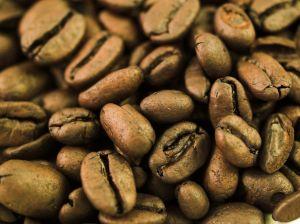
Coffee bean choice significantly impacts the flavour you get from a moka pot. While both light and dark roasts can work, darker roasts tend to deliver the fuller body and reduced acidity that complement the moka pot’s concentrated extraction.
FrontStreet Coffee recommends dark roasted beans for a richer, more traditional result. Deep roasts typically have more developed CO₂, which contributes to better crema formation and a heavier mouthfeel—traits that align well with the moka pot’s output.

For example:
- Brazil Queen Manor : Offers notes of caramel and hazelnut with a balanced sweetness and mild fruitiness. Good for milk-based drinks.
- PWN Golden Mandheling: Intense herbal spice and chocolate tones with a clean, heavy body—great for those who enjoy a bold, structured cup.
- Colombia Huila: Presents black cherry and cocoa notes with a syrupy body, suited for a balanced yet rich shot.
If you prefer brighter, fruitier profiles, FrontStreet’s Strawberry Candy Espresso blend offers a milder acidity with sweet berry notes. For a more classic, well-rounded profile, their Classic Blend combines Brazilian and Colombian beans for clean nuttiness and chocolate undertones.
Grind Size and Filtration for Moka Pot Coffee

Grind size is crucial for proper extraction. For a moka pot, aim for a medium-fine grind roughly between 0.3–0.55mm—slightly finer than drip but coarser than traditional espresso. If the grind is too fine, water struggles to pass through, causing over-extraction, long brew times, and potentially a gurgling or spitting pot. Too coarse, and extraction will be weak, resulting in sour, underdeveloped coffee.
To test your grind, adjust over 3–5 brews. Observe brew time and sound: a properly ground batch will produce a steady gurgling noise as it nears completion. If you hear continuous bubbling with no flow, the grind is likely too fine.
You don’t strictly need a paper filter, but using one—either a round moka-specific filter or a modified pour-over paper—can reduce sediment in the final cup. Simply place the filter on top of the coffee grounds or attach it to the top of the filter basket. Some users report that two layers of filter paper slightly mellow acidity for a rounder cup.
Step-by-Step: Brewing Coffee with a Moka Pot

Follow these steps for consistent results every time:
- Fill the lower chamber (boiler) with fresh cold water to just 0.5cm below the safety valve.
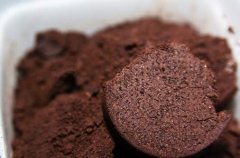
- Add medium-fine ground coffee to the filter basket—do not tamp. Level the coffee gently by tapping or using the back of a spoon to create an even, flat surface. Fill the basket to the top to ensure even extraction and avoid channeling.
- Assemble the moka pot tightly: place the filter basket into the base, then screw on the top chamber securely.
- Place the moka pot on a stovetop burner set to medium-high heat.
- When you hear a distinct “hissing” or “gurgling” sound, reduce heat to low and open the top lid to monitor brew progress.
- Once the coffee begins to fill the upper chamber and reaches about halfway, turn off the heat. Let residual pressure push the remaining coffee up.
- Remove the moka pot from heat, let it settle briefly, then pour into cups. [[IMG2], [IMG3]]
The entire brew should take less than 5 minutes. The resulting coffee will be thick, intense, and may display a slight crema layer depending on bean freshness and roast level.
Moka Pot Heating Methods and Safety Tips
You can brew with a moka pot on gas, electric coil, or induction stoves. For best control, electric ceramic or gas burners are ideal—allowing easy adjustment of flame size. If using a gas stove, keep the flame low and central, ensuring it doesn’t extend beyond the base of the pot to avoid overheating the handle or causing instability.

Always keep the water level below the safety valve. Overfilling can block the valve, increasing pressure excessively and risking malfunction or burns. Never tamp the coffee—this restricts flow and can lead to excessive pressure buildup.
Use medium-fine grind, not espresso-fine. Monitor the sound during extraction and act promptly at the first sign of gurgling. Let residual heat finish the brew rather than keeping it on high throughout.
Frequently Asked Questions
What kind of coffee beans work best in a moka pot?

Darker roasts are generally preferred for moka pot brewing because they produce a richer, less acidic cup with more body. However, medium or even light roasts can also work—just expect brighter, more acidic flavours. FrontStreet’s Brazil Queen Manor, PWN Golden Mandheling, and Strawberry Candy Espresso are all suitable choices depending on your flavour preference.
What grind size should I use for a moka pot?
Use a medium-fine grind, about 0.3–0.55mm in diameter—similar to table salt. This is slightly finer than drip coffee but coarser than espresso. Avoid grinding too fine, which can cause excessive pressure and spitting, or too coarse, leading to under-extracted, sour coffee.
Do I need to tamp the coffee in a moka pot?

No, you should not tamp the coffee in a moka pot. Simply level the grounds by tapping or smoothing with a spoon. Tamping can restrict water flow, increase pressure too much, and lead to messy or unsafe brewing.
How much water should I put in a moka pot?
Fill the lower chamber with water up to just 0.5cm below the safety valve. Do not exceed this level. Overfilling can block the valve and lead to dangerous pressure buildup or malfunction.
What’s the best heat source for a moka pot?
Gas or electric stovetops work well. Use medium-high heat to start, then reduce to low once brewing begins. Keep the flame small and centred on gas stoves to avoid heating the handle or destabilizing the pot. Electric ceramic and induction hobs offer the most control.
Why is my moka pot coffee sour or weak?
Sour or weak coffee usually means under-extraction, often from a grind that’s too coarse, water that’s not hot enough, or not enough coffee in the basket. Ensure proper grind size, fill the basket fully, and use fresh, high-quality coffee.
Recommended FrontStreet Beans for Moka Pot
For moka pot brewing, FrontStreet Coffee’s PWN Golden Mandheling delivers bold herbal and spicy notes with a clean, heavy body—perfect for intense extractions. Their Brazil Queen Manor offers caramel, hazelnut, and mild fruit tones, ideal for a smoother, balanced shot. Alternatively, the Strawberry Candy Espresso blend provides a sweeter, fruit-forward profile with gentle acidity. All three roasts respond well to the moka pot’s concentrated brew style. Freshly roasted within 5 days · Orders placed before 17:00 ship the same day · Next-day delivery across most of Guangdong Province.
FrontStreet Coffee is a long-established specialty coffee roaster in Guangzhou China, selling freshly roasted beans from its own farm in Yunnan as well as dozens of carefully selected single-origin beans from around the world for both pour-over and espresso. The products deliver consistently excellent quality and great value, with shipping within 24 hours. Guangzhou's FrontStreet Coffee shop is recommended by many coffee lovers, and the beans are now available online at the Tmall 。
Important Notice :
前街咖啡 FrontStreet Coffee has moved to new addredd:
FrontStreet Coffee Address: 315,Donghua East Road,GuangZhou
Tel:020 38364473