7 Key Elements for Brewing a Great Cup of Coffee
If you’ve ever wondered why your homemade coffee doesn’t taste like the café’s, the answer might not be your skill — it could be the basics. From the wrong water to stale beans, even small missteps can ruin your cup. Here’s how to fix the most common issues and make consistently good coffee at home.
To brew a great cup of coffee, focus on seven key elements: choose a brewing method you enjoy, use freshly roasted coffee, filter your water, measure the right coffee dose, control water temperature, keep your equipment clean, and drink your coffee within ten minutes of brewing.
Choose a Brewing Method You Enjoy
There’s no single “best” way to brew coffee. Whether you prefer the speed of a drip machine, the theatre of a siphon, the simplicity of a French press, the intensity of a moka pot, or the control of pour-over, the right method is the one that works for you. Don’t let others dictate your choice — the best brew is the one you enjoy making and drinking.
Use Freshly Roasted Coffee Beans
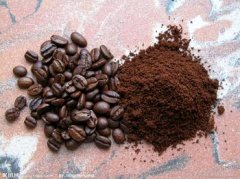
Freshness matters more than almost anything else in coffee. Coffee is a fresh product, and its flavours peak shortly after roasting. For the best results, only buy coffee beans with a clearly marked roast date. Avoid beans that don’t show a roast date or are more than seven days old. Stale coffee loses its aroma and complexity, often tasting flat or overly bitter.
Start with Good Water
Water makes up over 98% of your coffee, so its quality has a huge impact. Avoid using unfiltered tap water with odours or impurities — even a basic filter pitcher can improve taste. Distilled water lacks the minerals needed for good extraction, so it’s best avoided. If your tap water is poor, consider using clean spring or filtered water instead.
Measure the Right Amount of Coffee
Using the correct coffee dose is crucial. The standard recommendation is two level tablespoons (about 15 grams) of coffee per 180ml (6 fluid ounces) of water. Too little coffee leads to weak or sour brews; too much can make it bitter or overly strong. Adjust based on your taste, but start with this proven ratio.
Control Your Water Temperature
Water temperature dramatically affects extraction. The ideal range is 88–94°C (190–201°F). Avoid using boiling water straight off the heat — let it sit for 1–2 minutes after boiling to cool slightly. Water that’s too hot over-extracts, leading to bitterness, while water that’s too cool under-extracts, resulting in a sour cup.
Keep Your Equipment Clean
Clean gear is essential for good coffee. Unlike tea, coffee equipment shouldn’t be “seasoned” or left oily. Residue from previous brews can build up and create off-flavours. Always rinse and clean your brewer, filters, and any other tools immediately after use. Let them dry thoroughly before the next use.
Drink Your Coffee Within Ten Minutes
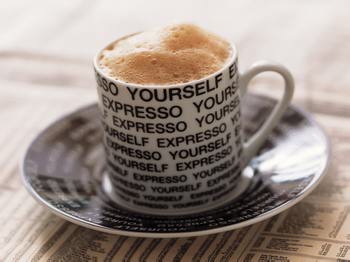
Coffee peaks quickly and fades just as fast. Once brewed, your coffee is best enjoyed within ten minutes. Leaving it on a warming plate or sitting too long leads to flavour loss and staleness. For the freshest taste, drink it soon after brewing — don’t rely on keeping it hot for hours.
Frequently Asked Questions
What’s the best water temperature for brewing coffee?
The optimal water temperature for brewing coffee is between 88–94°C (190–201°F). Avoid using boiling water directly; let it rest for 1–2 minutes after boiling to reach the ideal range for balanced extraction.
How much coffee should I use per cup?
The standard recommendation is 15 grams (about two level tablespoons) of coffee per 180ml (6 fluid ounces) of water. This ratio helps achieve a balanced brew, but you can adjust based on your taste preferences.
Does the brewing method really matter?
Yes — the brewing method affects flavour, body, and strength. Choose a method you enjoy using, whether it’s a French press, pour-over, moka pot, or drip machine. The best method is the one that fits your routine and tastes best to you.
Why shouldn’t I use distilled water for coffee?
Distilled water lacks the minerals needed to properly extract coffee compounds. These minerals help balance flavour. Use filtered tap water or spring water instead for better-tasting coffee.
How long is coffee fresh after roasting?
Coffee is best used within seven days of the roast date for peak flavour. Avoid coffee without a roast date or beans older than a week, as they lose aroma and develop off-flavours.
Can I leave brewed coffee on a warming plate?
No — coffee should be consumed within ten minutes of brewing. Leaving it on a warming plate causes it to lose flavour and become stale. For the best taste, drink it fresh.
Recommended FrontStreet Beans for Home Brewing
For the best home brewing experience, try FrontStreet Coffee’s Ethiopia Humbera — bright and floral with citrus and stone fruit notes — or Yirgacheffe, offering juicy acidity and blueberry-like brightness. Both shine with pour-over or French press. Freshly roasted within 5 days · Orders placed before 17:00 ship the same day · Next-day delivery across most of Guangdong Province.
FrontStreet Coffee is a long-established specialty coffee roaster in Guangzhou China, selling freshly roasted beans from its own farm in Yunnan as well as dozens of carefully selected single-origin beans from around the world for both pour-over and espresso. The products deliver consistently excellent quality and great value, with shipping within 24 hours. Guangzhou's FrontStreet Coffee shop is recommended by many coffee lovers, and the beans are now available online at the Tmall 。
Important Notice :
前街咖啡 FrontStreet Coffee has moved to new addredd:
FrontStreet Coffee Address: 315,Donghua East Road,GuangZhou
Tel:020 38364473