How Classic Italian Coffees Are Made in Cafés
Ever wondered how cafés make that perfect shot of espresso or the rich layers of a cappuccino? Whether you're ordering at a coffee bar or trying it at home, understanding how classic café coffee drinks are actually prepared helps you appreciate the craft behind every cup. These drinks aren't just coffee with milk — each has specific ingredients, techniques, and proportions that define its flavor and texture.
Cafés typically use an espresso machine to pull a standard 1:1 espresso-to-milk ratio for drinks like lattes and cappuccinos, steam milk to around 60–65°C, and layer beverages carefully to control texture and taste. Most traditional Italian-style drinks follow specific preparation steps involving espresso, milk, foam, and sometimes cream or spirits, with exact methods differing by drink.
What Is an Espresso and How Is It Made?
In Italy, espresso is commonly brewed at home using a moka pot — a stovetop device that forces pressurized steam through finely ground coffee. The high pressure extracts coffee oils and soluble compounds rapidly, resulting in a thick, intense shot with a thin layer of crema on top. That crema carries much of the aroma and is a hallmark of well-brewed espresso. The resulting coffee is bold, bitter, and rich in flavor.
Variations on the Espresso Theme
Espresso with Cream: Con Panna (aka Caffè Con Panna)
This is a simple shot of espresso topped with a dollop of fresh whipped cream. It’s smooth, creamy, and highlights the espresso beneath without altering its core flavors.
Espresso Macchiato
An espresso macchiato consists of a straight espresso “marked” with just two teaspoons of steamed milk foam. It’s meant to be drunk in one go. The small amount of foam slightly softens the espresso’s intensity while keeping it bold.
Caffè Latte (Café Latte)
A latte is made with one part espresso and an equal or greater part steamed milk, often with a thin layer of foam on top. The standard brew ratio is 1:1 for espresso to milk. The milk tempers the espresso’s bitterness, resulting in a smooth, sweet, and creamy drink. Lattes are usually consumed in the morning and are popular for their gentler flavor profile. To prepare, you steam milk using the espresso machine’s steam wand, pour the espresso first, then add the milk, holding back the foam with a spoon before topping.
Cappuccino
A cappuccino combines a shot of espresso with an equal amount of steamed milk and a generous layer of milk foam — typically in a 1:1:1 ratio. The milk is partially skimmed, creating a velvety foam. The cup should be pre-warmed, often placed on top of the espresso machine to stay hot. Pour about half the espresso first, then add steamed milk, and finish with foam. Optional toppings include a sprinkle of cinnamon or chocolate powder, and any leftover milk can be poured in as well.
Other Traditional Café Coffee Drinks
French Milk Coffee
This classic French drink uses a 1:1 ratio of coffee to milk. Traditionally, both the hot coffee and hot milk are poured simultaneously into the cup from separate vessels — a method that’s been used for centuries. It remains a staple of French breakfast tables and is known for its smooth, milky flavor.
Turkish Coffee
Turkish coffee is still prepared using its original method: finely ground coffee is boiled with water (and sometimes sugar) in a special pot called a cezve. This ancient technique produces a strong, unfiltered coffee full of grounds that settle at the bottom. It carries the mystique of the Ottoman Empire and is distinct for its heavy body and sludge-like grounds at the bottom of the cup.
Irish Coffee
Made with hot coffee, Irish whiskey, sugar, and topped with thick cream, Irish coffee balances coffee’s bitterness with the warmth of whiskey and the richness of cream. It’s a boozy, comforting drink — enjoy carefully, as the caffeine and alcohol can add up.
Royal Coffee
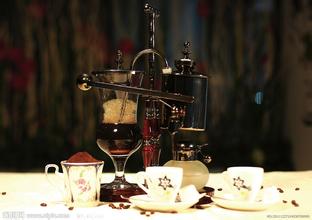
Legend says this drink was created by Napoleon. It features a shot of espresso with a cube of sugar set aflame alongside a splash of brandy. The flaming brandy caramelizes the sugar, adding a sweet, aromatic layer to the bold espresso. It’s theatrical, romantic, and uniquely French.
Green Tea Coffee
This Japanese-inspired drink blends the earthy flavor of green tea with the robust taste of coffee. It’s a purely Eastern take on the Western coffee tradition, combining the lightness of tea with the depth of espresso.
Iced Latte
To create an iced latte, mix milk with simple syrup or fruit sugar to increase its density, then pour it over ice so it doesn’t mix completely with the espresso. The result is a visually striking drink with distinct layers of coffee and milk, served cold for a refreshing experience.
Vanilla Ice Cream Coffee (Affogato-Style Variation)
This dessert-like coffee features a shot of espresso poured over a scoop of vanilla ice cream. Chocolate sauce is often drizzled for decoration. The contrast between hot espresso and cold ice cream creates a rich, indulgent treat.
Frozen Mocha Coffee
Made by blending ice, ice cream, and mocha-flavored espresso, this frozen coffee drink is smooth and thick. The result is a frosty, chocolatey beverage perfect for hot summer days.
Frequently Asked Questions
What is the standard espresso-to-milk ratio for a latte?
The typical ratio for a café latte is 1:1 — equal parts espresso and steamed milk. Some variations may use more milk, but the base starts with equal amounts to balance strength and creaminess.
How is a cappuccino different from a latte?
A cappuccino uses a 1:1:1 ratio of espresso, steamed milk, and foam. It has a stronger espresso flavor and thicker foam layer compared to a latte, which is milkier and often has just a small amount of foam on top.
What is a macchiato?
An espresso macchiato is a shot of espresso with just two teaspoons of milk foam added, which “marks” the espresso. It’s a small drink meant to be consumed in one sip and retains most of the espresso’s intensity.
Do you need a moka pot to make espresso at home?
No, a moka pot is not an espresso machine but is commonly used at home in Italy to brew a strong, pressurized coffee similar to espresso. True espresso requires an espresso machine with 9 bars of pressure, but a moka pot is a good alternative for home use.
What’s the best coffee roast for these drinks?
Most Italian-style café drinks use dark or medium-dark roasted beans to produce bold flavors that stand up to milk and foam. For espresso-based drinks, a dark roast with good crema production is ideal.
Recommended FrontStreet Coffee Blends for Espresso-Based Drinks
For authentic Italian-style espresso and milk-based drinks, FrontStreet Coffee’s Classic Blend is an excellent choice. Designed specifically for moka pots and espresso machines, it delivers rich crema and a bold, rounded flavor. The Black Cocoa Blend offers a deep, intense profile with great value, ideal for cafés or home use where cost matters. Both blends are optimized for milk drinks like lattes and cappuccinos, ensuring a balanced cup every time. Freshly roasted within 5 days · Orders placed before 17:00 ship the same day · Next-day delivery across most of Guangdong Province.
FrontStreet Coffee is a long-established specialty coffee roaster in Guangzhou China, selling freshly roasted beans from its own farm in Yunnan as well as dozens of carefully selected single-origin beans from around the world for both pour-over and espresso. The products deliver consistently excellent quality and great value, with shipping within 24 hours. Guangzhou's FrontStreet Coffee shop is recommended by many coffee lovers, and the beans are now available online at the Tmall 。
Important Notice :
前街咖啡 FrontStreet Coffee has moved to new addredd:
FrontStreet Coffee Address: 315,Donghua East Road,GuangZhou
Tel:020 38364473