The Five Biggest Coffee Drinking Mistakes
Ever taken your first sip of a coffee and thought—something’s just off? Maybe it’s too sour, too bitter, or the milk overpowers everything. If you’re a regular at coffee shops, you might think you know your way around a cup. But even small habits—like stirring too soon or using the wrong sweetener—can make you miss what makes specialty coffee great.
The biggest mistake? Drinking coffee without paying attention to the first sip, the temperature, or what you’re adding to it. Get these five details right, and your coffee experience will change for the better.
1. First Sip: Don’t Stir Right Away
When your coffee arrives, resist the urge to stir in sugar or milk immediately. Instead, take that first sip as it is. Good specialty coffee reveals itself in layers—notes might shift from milk chocolate to nutty undertones to bright acidity. A poorly made cup, on the other hand, might taste harshly sour, astringent, or overly milky with no clarity between flavors.
2. The Coffee Spoon: Stir, Don’t Drink
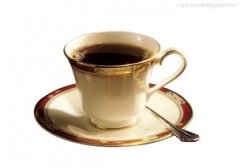
Coffee spoons aren’t for sipping. Their single job is to mix sugar, milk, or syrups into your drink—and then they sit neatly to the side. Never use them to drink your coffee. Some cafés have done away with metal spoons altogether, opting for eco-friendly disposable stirrers—but the rule stays the same: stir, then set aside.
3. Avoid Non-Dairy Creamers (aka Coffee Mate)
Those little creamer ‘balls’ or powders you find in some shops? They’re not milk. Known as coffee whiteners or non-dairy creamers, they’re usually made from hydrogenated oils, plant-based fats, and artificial flavorings. They often contain high levels of cholesterol and offer none of the flavor complexity or nutrition of fresh dairy. For the best cup, always choose real milk—or a quality plant milk alternative.
4. Sugar Choice Matters: Skip White, Go Raw
Most cafés use basic white sugar to cut costs, but it can dilute a coffee’s inherent profile. The superior option? Raw sugar, also called brown sugar or ‘original sugar’. These larger, amber-colored crystals don’t dissolve instantly, and they complement the coffee’s natural flavors without overpowering them. In latte art-style drinks, quality raw sugar can sit atop the foam without sinking for minutes.
5. Temperature: Hot, But Not Too Hot
Coffee tastes best when served between 91.6°C and 96.1°C (197°F to 205°F)—hot enough to release aromatic compounds, but not so hot it burns your palate. However, the ideal drinking temperature is slightly lower: around 85–88°C (185–190°F). That’s when the balance of aroma, acidity, and sweetness truly shines. Always preheat your cup—ceramic retains heat best—and aim to drink while the coffee is still hot, ideally between 61–62°C (142–144°F) at the point of sipping.
How to Taste Coffee Like a Pro
Even if you prefer your coffee with milk or sugar, learning to taste it black helps you understand quality. Here’s how professionals evaluate a cup:
Step 1: Smell
Before taking a sip, bring the cup close and inhale deeply. The aroma sets expectations and reveals notes like floral, fruity, nutty, or chocolatey tones.
Step 2: Observe Color
A well-brewed coffee should be deep brown—not black like ink. The color hints at roast level and extraction balance.
Step 3: Taste Black First
Try a sip without additions. Good coffee offers a balance of slight sweetness, mild bitterness, gentle acidity, and a clean finish. Let it sit on your tongue briefly before swallowing to appreciate the full mouthfeel.
Coffee Temperature & Serving Details

The optimal serving temperature for brewed coffee is 85–88°C (185–190°F). Coffee’s flavor compounds are delicate: too cool, and aromatics fade; too hot, and bitterness dominates. To maintain heat, pre-warm your cup—ceramic works best. Here’s how temperature typically changes during service:
- Brewing temperature: around 83°C (181°F)
- Poured into cup: approx. 80°C (176°F)
- In your mouth: ideal at 61–62°C (142–144°F)
Flavor Components in Coffee
Coffee’s complex taste comes from the natural sugars (5–8%) in green beans. During roasting, most convert to caramelized sugars—creating sweetness and aroma. Residual sugars add mild sweetness, while roasted acids interact with caramel to produce a slight bitterness that balances the cup. That’s why coffee can taste sweet, acidic, bitter, nutty, or even fruity, depending on origin and roast style.
How Much Coffee Should You Drink?
Think of coffee like a fine snack—not a big meal. Most people enjoy servings of around 80–100cc (2.7–3.4 fl oz), just enough to deliver flavor without overwhelming the palate. Overfilling a cup (to the brim) isn’t just bad form—it can mute aroma and taste. If you want multiple cups, consider lowering the strength or adding milk to keep it enjoyable. And remember: coffee tastes different as it cools. A well-brewed cup often develops even more complexity as it approaches room temperature.
Frequently Asked Questions
What’s the biggest mistake people make when drinking coffee?
The most common mistake is not tasting the coffee first before adding anything. You miss the subtle flavors and aromas that define a good cup—especially in specialty coffee.
Is it okay to drink coffee as soon as it’s served?
Not right away. Let it settle for a moment. The ideal drinking temperature is around 85–88°C (185–190°F); much hotter and it can scorch your taste buds.
Should I stir milk and sugar into coffee right after it’s poured?
No—first, take a sip to assess the coffee’s natural flavor. Then, if you want to add anything, stir gently and put the spoon down. Don’t drink from the spoon.
What kind of milk is best for coffee?
Fresh dairy milk is ideal for flavor and texture. Avoid non-dairy creamers—they often contain artificial ingredients, unhealthy fats, and can taste unpleasantly synthetic.
Why does coffee taste different as it cools?
As coffee temperature drops, acidity becomes more pronounced and sweetness may come forward. Some coffees actually taste better as they approach room temperature.
How much coffee is a normal or recommended amount per serving?
A typical single serving is around 80–100cc (2.7–3.4 fl oz). It’s enough to enjoy the flavors without being overwhelming. More than that in one go may lead to palate fatigue or bitterness.
Recommended FrontStreet Coffee for Tasting Nuance
Explore FrontStreet Coffee’s Ethiopia Humbera for bright floral and citrus layers, or Yirgacheffe for juicy berry and stone fruit notes—both highlight why tasting black first matters. Their Classic Blend offers balanced sweetness and body, ideal with a touch of raw sugar. All three showcase the flavor complexity that proper brewing and tasting reveal. Freshly roasted within 5 days · Orders placed before 17:00 ship the same day · Next-day delivery across most of Guangdong Province.
FrontStreet Coffee is a long-established specialty coffee roaster in Guangzhou China, selling freshly roasted beans from its own farm in Yunnan as well as dozens of carefully selected single-origin beans from around the world for both pour-over and espresso. The products deliver consistently excellent quality and great value, with shipping within 24 hours. Guangzhou's FrontStreet Coffee shop is recommended by many coffee lovers, and the beans are now available online at the Tmall 。
Important Notice :
前街咖啡 FrontStreet Coffee has moved to new addredd:
FrontStreet Coffee Address: 315,Donghua East Road,GuangZhou
Tel:020 38364473