What Makes Jamaican Blue Mountain Coffee So Special?
When people talk about premium coffee, one name often pops up: Jamaican Blue Mountain. Most assume any cup labeled 'Blue Mountain' must taste like a refined luxury. But ask anyone who’s truly tried the real thing, and they’ll tell you — not all 'Blue Mountain' beans live up to the hype. Why? Because great Blue Mountain Coffee isn’t just about where the beans grew. It’s also about how they were processed.
The short answer: Only coffee grown between 3,000 and 5,000 feet in Jamaica’s legally defined Blue Mountain region, processed by one of four official mills, and certified by the Jamaica Coffee Industry Board can be called 100% Jamaica Blue Mountain Coffee. Importing raw beans? That risks flavor loss and contamination — and the price difference between green and roasted Blue Mountain beans can be nearly tenfold.
What Is Blue Mountain Coffee, Really?
Jamaica Blue Mountain Coffee isn’t just any coffee from Jamaica. The name refers specifically to beans grown in the island’s eastern highlands, in a zone stretching up to 7,402 feet above sea level. But the magic happens between 3,000 and 5,000 feet. At this altitude, cooler temperatures, rich volcanic soils, and steady rainfall combine to produce a coffee that’s famously balanced: not too acidic, not overly bitter, with smooth sweetness and subtle complexity.
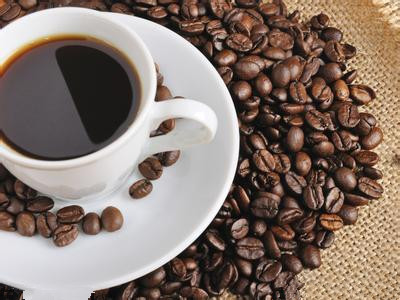
This isn’t a coffee that shouts. It’s known for being approachable yet refined — think notes of cream, caramel, nuts, chocolate, and light fruit. It rarely overwhelms, which is why it’s often recommended as one of the best 'entry-level' premium coffees for new specialty drinkers.
Why Is Blue Mountain Coffee So Rare and Expensive?
The rarity starts with geography. The entire Blue Mountain region is small, and annual production rarely exceeds 2,500 metric tons — less than 0.01% of global coffee output. Of that tiny supply, around 85% historically went to Japan (as of 2004), with just 5% each to the U.S., Europe, and other regions. Yet despite those allocations, China has somehow ended up consuming about 15% of the world’s real Blue Mountain Coffee, thanks to re-exports via subsidiaries and specialty importers.
Then there’s the issue of altitude. Not all ‘highland’ coffee in Jamaica is Blue Mountain. Only beans grown between 3,000 and 5,000 feet can be certified as 100% Jamaica Blue Mountain. Below that (but still above 1,500 feet), the coffee is classified as High Mountain Coffee — still decent, but not Blue Mountain. This category makes up roughly five times more volume and is often sold locally or abroad as a tourist-friendly product. Above 5,000 feet, conditions are too rugged for coffee farming at all.
Why Processing — Not Just Origin — Defines Blue Mountain Quality
Here’s where most misunderstandings happen. You can import ‘Blue Mountain’ beans from Jamaica, but if they weren’t processed under strict regulations, you’re not getting the real deal. The Jamaica Coffee Industry Board requires all exported Blue Mountain beans to pass inspection, carry official certification, and use their registered trademark — Blue Mountain Coffee. Only four licensed processing facilities in the region are authorized to prepare beans for export under this name.
Importing green (unroasted) Blue Mountain beans? That’s legal, but risky. Without the final processing step done under supervision, the beans can lose subtleties in flavor, or worse, get mixed with lower-grade beans along the way. Roasters and traders have been caught blending them, especially when middlemen operate unchecked. That’s why roasted Blue Mountain beans from verified sources generally cost much more — sometimes nearly ten times the price of green imports.
The Role of Estates in Blue Mountain Coffee Reputation
Just like wine has its classified growths, Blue Mountain Coffee has its recognized estates. These are the large farms and mills officially permitted by Jamaica’s Coffee Industry Regulation to process, export, and use the Blue Mountain Coffee trademark. Their role is crucial in maintaining quality control and the region’s global reputation. Estate-grown Blue Mountain Coffee often benefits from better processing facilities, stricter sorting, and more consistent quality — all factors that influence how the final cup tastes.
Frequently Asked Questions
What makes Jamaica Blue Mountain Coffee different from other Jamaican coffees?
Jamaica Blue Mountain Coffee is strictly defined by growing altitude (3,000–5,000 feet), location (designated Blue Mountain region in eastern Jamaica), and certification by the Jamaica Coffee Industry Board. Other Jamaican coffees, like High Mountain Coffee, are grown at lower altitudes and lack the same certification or flavor profile.
Do all coffees labeled 'Blue Mountain' come from Jamaica?
No. Only coffee grown in Jamaica’s legally defined Blue Mountain region, processed under official oversight, and certified by the Jamaica Coffee Industry Board can be called genuine Jamaica Blue Mountain Coffee. Other countries may sell coffee under similar names, but they are not the same.
Is it better to buy roasted or green Blue Mountain Coffee?
Roasted Blue Mountain Coffee from certified sources preserves the flavor developed during official processing. Green beans carry risk of quality loss or adulteration during transport and roasting unless handled by trusted roasters. Most specialty buyers prefer certified roasted beans to ensure authenticity.
Why is Blue Mountain Coffee so expensive?
Limited production (under 2,500 metric tons per year), strict certification, small growing altitude range (3,000–5,000 feet), and high global demand — especially historically from Japan — drive up prices. Plus, imported green beans are far cheaper than properly processed and certified roasted beans.
Can I brew Blue Mountain Coffee like any other specialty coffee?
Yes, but its balanced profile makes it versatile. It performs well as pour-over (recommend: 1:15–1:16 brew ratio, 85–88°C, medium-coarse grind), moka pot, or espresso. Many roasters offer it as single-origin pour-over or even espresso blends for its smooth, sweet cup.
What does 'No.1' mean in Jamaica Blue Mountain No.1?
Blue Mountain No.1 is the highest grade of Jamaica Blue Mountain Coffee. It has the strictest requirements for bean size, cleanliness (low defect rate), and overall quality. It’s typically sold as whole bean and considered the premium expression of the region.
Recommended FrontStreet Beans for Blue Mountain Fans
FrontStreet Coffee’s guide on Jamaica Blue Mountain Coffee highlights what makes the origin so revered. For those curious to explore similar profiles, try the FrontStreet Jamaica Blue Mountain No.1 — known for its balanced profile of nuts, dark chocolate, and caramel, with a smooth, sweet finish. It’s roasted to medium-dark to highlight its inherent harmony. Freshly roasted within 5 days · Orders placed before 17:00 ship the same day · Next-day delivery across most of Guangdong Province.
FrontStreet Coffee is a long-established specialty coffee roaster in Guangzhou China, selling freshly roasted beans from its own farm in Yunnan as well as dozens of carefully selected single-origin beans from around the world for both pour-over and espresso. The products deliver consistently excellent quality and great value, with shipping within 24 hours. Guangzhou's FrontStreet Coffee shop is recommended by many coffee lovers, and the beans are now available online at the Tmall 。
Important Notice :
前街咖啡 FrontStreet Coffee has moved to new addredd:
FrontStreet Coffee Address: 315,Donghua East Road,GuangZhou
Tel:020 38364473