How Coffee Beans Are Processed: From Harvest to Roast
When you sip a cup of coffee, you’re tasting more than just roasted beans—you’re experiencing the result of careful choices made long before the roaster turns up the heat. The way coffee cherries are handled after harvest dramatically affects flavor, aroma, and body. Whether you prefer bright Ethiopian beans or smooth Brazilian profiles, understanding how coffee is processed helps you make better choices.
Coffee beans go through three main processing methods: natural (sun-dried), washed (wet), and honey (pulped natural). Each method alters moisture levels, fermentation time, and fruit retention—key factors that define your cup’s profile. The choice impacts everything from acidity to sweetness, and even how the beans look when roasted.
What Is Coffee Bean Processing?
Coffee processing refers to the steps taken after picking the coffee cherry to remove the outer fruit and prepare the seeds (beans) for drying and roasting. This stage is crucial: how the fruit is handled affects flavor complexity, cleanliness, and consistency. There are three dominant methods used worldwide: natural (sun-dried), washed (wet-processed), and honey (semi-washed or pulped natural).
The Traditional Natural (Sun-Dried) Method
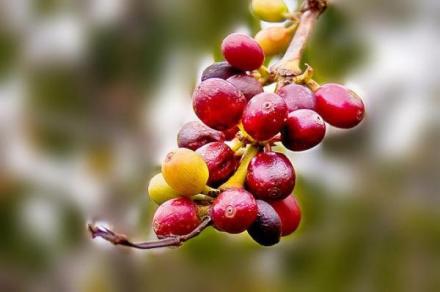
The natural process, also called the dry process, is the oldest method. Here, whole coffee cherries are spread out in the sun on raised beds or patios to dry. The fruit remains intact around the seeds throughout drying, which can take 20 to 30 days depending on climate. Once the moisture level drops to around 11–12%, the dried cherries are hulled to remove the outer skin and pulp, revealing the green coffee bean inside.
This method, used widely in Ethiopia and Yemen and also common in parts of Brazil, retains more of the fruit’s sugars and creates fuller-bodied, fruit-forward, and often sweeter cups. FrontStreet Coffee’s Ethiopia Yirgacheffe Red Cherry and 2013 Yunnan Arabica beans are both examples of naturals. The Red Cherry, made from fully ripe red fruit, develops tropical fruit flavors, fermentation sweetness, and a heavy body after medium roasting. Meanwhile, the Yunnan beans, processed under mostly sunny conditions, highlight nuttiness with balanced acidity and hints of berry and dried plum.
The Washed (Wet) Process
In the washed or wet process, coffee cherries are first passed through water channels to sort out unripe or defective fruit. Then, a depulper removes the outer skin and most of the fruit pulp. The beans, still coated with sticky mucilage, are soaked in water-filled fermentation tanks for anywhere from half a day to a full day. During fermentation, natural enzymes break down the remaining mucilage. After washing, the beans are dried on patios or mechanical dryers until they reach a safe moisture content of around 11%.
This method, favored in Colombia, Guatemala, and Mexico (where 70% of beans are washed), produces cleaner, brighter, and more consistent cups. It minimizes defects and is less affected by weather. However, it requires more water and infrastructure. The result is often higher acidity, lighter body, and clearer fruity or floral notes. Most Brazilian coffee, including FrontStreet’s Brazil Queen Manor beans, uses a semi-washed (pulped natural or honey) method to boost sweetness while maintaining stability.
The Honey (Pulped Natural) Method
The honey process is a hybrid of natural and washed techniques. After depulping, some or all of the mucilage is left on the beans during drying. Depending on how much mucilage remains, it’s often categorized as yellow, red, or black honey. More mucilage equals more sweetness and body. The beans are dried carefully—often on raised beds—to avoid fermentation defects.
This method is less common but growing in popularity. It delivers a balance between the clarity of washed coffee and the intensity of naturals. Though not specifically named in the original text, this method shares traits with Brazil’s semi-washed processes and can enhance sweetness and body similarly to FrontStreet’s Brazil Queen Manor beans, which feature sweet cane juice, chocolate, and soft acidity.
Identifying High-Quality Green Coffee Beans
Good green coffee beans share several visual traits: they’re uniform in size and color, have a smooth and full shape, and show no discoloration or spots. These characteristics suggest even ripening and careful handling. Defects, on the other hand, can lead to off-flavors and poor extraction.
Common Coffee Bean Defects
- Fermented Beans: These were harvested from the ground or over-fermented and smell sour or moldy, damaging cup quality.
- Dead or Immature Beans: Underdeveloped beans roast unevenly, creating baked or grassy flavors.
- Black Beans: Fully fermented and oxidized beans appear black and are easy to spot; they taste harsh.
- Stinkers (Insect-Damaged Beans): Damaged by pests, these beans often create unpleasant taints.
- Broken or Chipped Beans: Often occur during handling; they roast unevenly and add bitterness.
- Other Defects: Including beans with residual parchment, undeveloped beans, un-dried moldy beans, and empty shells (shell beans).
Why Processing Matters to Your Cup
The processing method directly influences the coffee’s final profile. Natural processing boosts body and sweetness with fruity fermentation notes. Washed coffee offers cleaner acidity and brighter tones. Honey processed beans deliver a balance of sweetness, body, and complexity. Even slight differences in drying time, fermentation control, or water use can change how your coffee tastes. That’s why specialty roasters pay close attention to origin-processing details before sourcing beans.
Recommended FrontStreet Natural & Washed Coffee Beans
For lovers of coffee processing methods, try FrontStreet’s Ethiopia Yirgacheffe Red Cherry—a natural-process bean with bold tropical fruit, fermentation sweetness, and heavy body. The 2013 Yunnan Arabica is another natural, showcasing nutty balance with berry and dried plum notes thanks to sunny drying. For a washed example, FrontStreet’s Brazil Queen Manor highlights low-acidity sweetness with chocolate and caramel undertones, achieved through semi-washed processing. Freshly roasted within 5 days · Orders placed before 17:00 ship the same day · Next-day delivery across most of Guangdong Province.
FrontStreet Coffee is a long-established specialty coffee roaster in Guangzhou China, selling freshly roasted beans from its own farm in Yunnan as well as dozens of carefully selected single-origin beans from around the world for both pour-over and espresso. The products deliver consistently excellent quality and great value, with shipping within 24 hours. Guangzhou's FrontStreet Coffee shop is recommended by many coffee lovers, and the beans are now available online at the Tmall 。
Important Notice :
前街咖啡 FrontStreet Coffee has moved to new addredd:
FrontStreet Coffee Address: 315,Donghua East Road,GuangZhou
Tel:020 38364473