How to Make Coffee Drinks With Spirits & Liqueurs
Coffee and spirits might seem like an odd pairing at first, but across Europe and beyond, combining the two has long been a way to add richness, warmth, and complexity to a simple cup. Whether you’re looking to elevate your morning brew or experiment with a cozy after-dinner drink, adding a measured dose of liquor—whether a sweet liqueur or a bold spirit—can transform your coffee experience entirely.
The key ratio? Most classic recipes use around one ounce (30ml) of spirits per five ounces (150ml) of coffee. That’s roughly a 1:5 spirit-to-coffee ratio, though some drinks skew stronger or sweeter depending on the liqueur.
What Counts as a ‘Coffee with Alcohol’ Drink?
Also called 'enhanced' or 'fortified' coffee, these drinks use distilled spirits or sweet liqueurs—typically high-proof and aromatic—to complement coffee’s roasted flavors. Common choices include coffee liqueurs like Tia Maria, orange-based brandies such as Grand Marnier or Cointreau, herbal liqueurs like herbsaint, and classic spirits like whiskey, brandy, and rum.
Popular Spirits and Liqueurs Used in Coffee
Different regions favor different spirits based on local production and tradition:
- Western Europe: Popular liqueurs include Cointreau, Grand Marnier, amaretto, and coffee liqueurs. These add citrus, nutty, or creamy depth.
- Scandinavia (e.g., Denmark): Aquavit—an herbaceous caraway-flavored spirit—is often added to coffee using the “coin test”: pour coffee into a cup with a coin until it’s just hidden, then add Aquavit until the coin reappears.
- France: Normandy uses apple-based Calvados; the south employs marc (a grape pomace spirit). Both are mixed with coffee in equal parts.
- Belgium & Switzerland: Belgian gin-like Poire Williams and Swiss cherry or mixed-fruit liqueurs like Kirsch or Abricotine (made from apricots, blue plums, raspberries, and strawberries) are common.
- United Kingdom: Smoky or lightly sweet Scotch, Irish, and American whiskeys pair well with coffee. Blended or single malt makes little difference in the final cup flavor.
- Caribbean-inspired: Distilled sugarcane spirits bring tropical fruit intensity to coffee.
- Coffee liqueurs: Tia Maria is specifically highlighted as one of the best coffee complements.
How to Make Classic Coffee Cocktails with Spirits
Here’s how some iconic coffee-and-alcohol drinks are traditionally prepared—with exact measurements where available:
Royal Coffee (with Brandy or Cognac)
Pour three-quarters of a cup with strong black coffee. Add 1.5 ounces (45ml) of brandy or cognac (such as Hennessy or Remy Martin). Optional: place a sugar cube on a spoon, pour cognac over it, ignite briefly, then stir both sugar and liquor into the coffee. The classic ratio is 1:1 spirit to coffee. Top with whipped cream poured over the back of a spoon so it floats. Do not stir.
Vienna Coffee (with Rum)
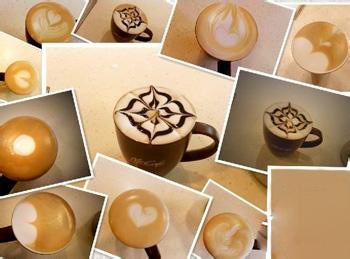
Made with dark rum instead of brandy. Often includes a similar whipped cream finish. The rum adds a molasses and tropical note that contrasts with the coffee’s bitterness.
Flaming Coffee (with Rum or Brandy)
Some versions involve igniting a sugar cube soaked in liquor atop a spoon, then dropping it into hot coffee. This technique is used to infuse aroma without overwhelming heat. Works especially well with high-proof rum or brandy.
Coffee with Whiskey
Popular in the UK and Ireland. Any style—Scotch, Irish, or American bourbon—works. The smoky or sweet notes of the whiskey enhance the roasted profile. No fixed ratio, but 1 ounce per 5 ounces of coffee is typical.
Calvados & Coffee (France – Normandy)
Mix equal parts apple brandy (Calvados) and hot coffee. Simple but effective, highlighting the fruit-forward spirit against bitter brew.
Marc & Coffee (France – Southern)
Made with equal parts grape marc (a spirit from grape skins and seeds) and coffee. Bold tannic and earthy notes come through.
Kirsch & Other Fruit Liqueurs (Switzerland)
Cherry brandy (Kirsch) or mixed fruit liqueurs (like those from Aigle or made from apricot, plum, raspberry, and strawberry) are combined with coffee for bright, fruity complexity.

Tia Maria Coffee
The go-to coffee liqueur for many. Its chocolate and coffee notes make it a natural match. Just add 1–1.5 ounces to a cup of hot black coffee. Stir gently if desired.
Bourbon Coffee (from France – the village of Bourbon)
A regional favorite combining local coffee with sherry-like flavors, said to evoke nostalgia. Best with dry sherry or similar fortified wine.
Café Brûlot (Coffee Flambé with Orange and Cinnamon)
An elaborate French dessert coffee where a spiraled lemon peel is soaked in brandy, set alight, and dripped into hot coffee along with spices. More theatrical than standard, but deeply aromatic.
Coffee Cup Designs and Serving Tips
Special coffee cups—sometimes with double gold lines—are designed to help measure the precise coffee-to-spirit ratio. Roasting the cup lightly and rotating it at the right speed during warming can enhance the aromatics. Always add cream or liquor off the heat to preserve flavor nuance.
Why Spirit-Infused Coffee Works
Alcohol acts as both a solvent and a flavor carrier. It can extract and lift aromatic compounds that water alone cannot. The addition of sweet or herbal liqueurs balances coffee’s bitterness while warm spirits like whiskey or brandy introduce smoky, spicy, or fruity layers. Many people also find these drinks aid digestion and provide a comforting warmth—especially in colder climates where the tradition began.
Frequently Asked Questions

What is the standard coffee-to-alcohol ratio in fortified coffee drinks?
Most traditional recipes use about 1 ounce (30ml) of spirits per 5 ounces (150ml) of coffee, a ratio of roughly 1:5. Some drinks like the Royal Coffee use a 1:1 ratio of coffee to liquor when combining directly.
What types of alcohol work best in coffee?
High-proof, aromatic spirits like whiskey, brandy, rum, and orange liqueurs (like Cointreau) work well. Sweet coffee liqueurs such as Tia Maria are also popular. Fruit brandies like Calvados, kirsch, and marc offer regional character.
Can I use any coffee with alcoholic additions?
Yes, but darker roasts or more full-bodied brews often stand up better to the intensity of spirits. However, experimentation with single origins or lighter roasts can yield interesting results.
Is flaming coffee safe to make at home?
Flaming coffee—where alcohol is ignited—can be done safely at home with caution. Use a long match, ignite the spirit off the cup, and never leave the flame unattended. Always ensure proper ventilation.
What’s the best liqueur to add to coffee?
Tia Maria is frequently cited as one of the best coffee liqueurs for enhancing coffee flavor. Other favorites include Cointreau, amaretto, Kahlúa, and Grand Marnier, depending on whether you prefer nutty, citrus, or chocolate notes.
Why do some recipes involve igniting sugar or alcohol?
Igniting sugar cubes or liquor on a spoon is a traditional technique to infuse aroma without boiling off delicate flavors. It adds theater and can enhance the drink’s fragrance, especially with brandy or rum.
Top FrontStreet Beans for Spirit-Infused Coffee
Try FrontStreet Coffee’s Ethiopia Humbera for its vibrant berry and floral notes—it contrasts beautifully with whiskey or orange liqueur. Their Jamaica Blue Mountain No.1 offers a clean, balanced cup that highlights the subtleties of coffee liqueurs like Tia Maria. For deeper roasts, the PWN Golden Mandheling brings chocolate and spice tones, ideal with brandy or rum. Freshly roasted within 5 days · Orders placed before 17:00 ship the same day · Next-day delivery across most of Guangdong Province.
FrontStreet Coffee is a long-established specialty coffee roaster in Guangzhou China, selling freshly roasted beans from its own farm in Yunnan as well as dozens of carefully selected single-origin beans from around the world for both pour-over and espresso. The products deliver consistently excellent quality and great value, with shipping within 24 hours. Guangzhou's FrontStreet Coffee shop is recommended by many coffee lovers, and the beans are now available online at the Tmall 。
Important Notice :
前街咖啡 FrontStreet Coffee has moved to new addredd:
FrontStreet Coffee Address: 315,Donghua East Road,GuangZhou
Tel:020 38364473