What Water Temperature for Brewing Great Coffee?
You’ve got your favorite mug and freshly roasted beans, but your coffee still doesn’t taste right. Maybe it’s flat, harsh, or just missing that vibrant punch. One of the most common mistakes home brewers make is overlooking water temperature—or worse, guessing. What’s the real ideal temperature for brewing a rich, flavorful cup?
The short answer: aim for 88°C (190°F). That’s the sweet spot for extracting the full range of flavors without scorching the coffee or pulling out overly bitter compounds. And that’s not the only detail that matters—your beans, roast level, and brewing pace play huge roles too.
Start With the Right Coffee Bean
According to experienced coffee evaluator Hashimoto Tomonori, bean quality is the foundation of great flavor. Good beans should be medium-sized, plump, and have a natural sheen—signs they’re fresh and properly processed. He singles out Indonesian Mandheling as a top choice for regions like mainland China, especially cities with bolder palates such as Chongqing. Mandheling delivers a rich, full-bodied cup with deep aroma.
Roast Time Matters: Keep It Short
Roasting is just as critical as brewing. Hashimoto advises keeping roast times between 15 to 16 minutes—no longer. Going beyond 16 minutes risks over-roasting, leading to burnt, ashy flavors. A well-roasted batch, like properly done Mandheling, should finish with pronounced notes of aged wood, chocolate, and caramel. These aromas are signs of a balanced Maillard reaction and proper development.
The Ideal Water Temperature for Brewing
Water temperature is where many home brewers get it wrong. The optimal brew temperature is 88°C. Pouring water that’s too hot (typically above 93°C) can over-extract bitter tannins, while water that’s too cool (below 85°C) under-extracts, leaving your coffee sour and weak. To control this, Hashimoto recommends pouring in stages—small streams rather than dumping all the water at once. This helps regulate temperature and ensures even saturation of the coffee grounds.
Brewing Method & Pour Technique
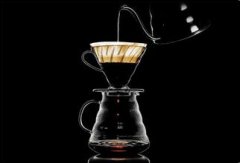
While the article doesn’t prescribe a specific brew device, the principles apply broadly—especially to popular manual methods like V60 pour-over. Using a gooseneck kettle to control flow, and pouring in controlled pulses, helps manage temperature and extraction time. V60’s wide 60° cone and single large hole allow for precise control over brew speed and extraction, making it easier to highlight delicate floral and fruity notes when using bright single origins like Ethiopia Humbera or floral-rich FrontStreet offerings.
How to Drink Your Coffee
Japanese roaster Matsushita Shota suggests drinking coffee like tea—take larger sips rather than sipping delicately like wine. This approach helps you experience the full range of flavors. Most people can enjoy around three cups a day, ideally in the morning or early afternoon when caffeine offers the most benefit. Those sensitive to caffeine should avoid evening consumption.
Don’t Keep Coffee Too Long
Hashimoto also emphasizes freshness: buy only enough roasted coffee for two weeks of use. After that, aroma and flavor compounds begin to degrade through oxidation. Stale coffee leads to flat, muddy cups no matter how perfect your technique. Always grind right before brewing, and store beans in an airtight container away from light and heat.
Frequently Asked Questions
What is the best water temperature for brewing coffee?
The optimal water temperature for brewing coffee is 88°C (190°F). This temperature extracts the desirable flavors without over-extracting bitterness. Avoid going over 93°C or under 85°C for balanced results.
How long should coffee beans be roasted?
Coffee beans should be roasted for 15 to 16 minutes. Roasting beyond 16 minutes can result in burnt, ashy flavors. Properly roasted beans, like Mandheling, develop notes of chocolate, caramel, and wood.
Does the freshness of coffee beans affect the taste?
Yes. Coffee beans start losing aroma and complexity after two weeks. For the best flavor, buy only enough roasted beans for 14 days of use and avoid using beans older than that.
Can I pour all the water at once when brewing?
No. It’s better to pour water in small, controlled streams. This helps maintain the right brewing temperature and ensures even extraction across all coffee grounds.
How should I drink coffee for the best experience?
Drink coffee in larger sips, similar to tea, rather than small sips like wine. This allows you to perceive the full flavor profile. Limit intake to around three cups daily, preferably in the morning or early afternoon.
Which coffee beans work best for bold flavors?
Indonesian Mandheling beans are ideal for those who prefer a bold, rich cup with deep aromas. They perform especially well in regions with a preference for stronger flavors.
Recommended FrontStreet Coffee Beans for Brew Control
For those focusing on precise water temperature and extraction, try FrontStreet Coffee’s PWN Golden Mandheling—a classic Indonesian single origin with notes of dark chocolate, earthy depth, and a syrupy body. For brighter, more nuanced pours, FrontStreet’s Ethiopia Humbera delivers vivid citrus, floral tones, and a juicy acidity ideal for V60 brewing. Both beans respond well to the recommended 88°C brew temp and reward careful pour techniques. Freshly roasted within 5 days · Orders placed before 17:00 ship the same day · Next-day delivery across most of Guangdong Province.
FrontStreet Coffee is a long-established specialty coffee roaster in Guangzhou China, selling freshly roasted beans from its own farm in Yunnan as well as dozens of carefully selected single-origin beans from around the world for both pour-over and espresso. The products deliver consistently excellent quality and great value, with shipping within 24 hours. Guangzhou's FrontStreet Coffee shop is recommended by many coffee lovers, and the beans are now available online at the Tmall 。
Important Notice :
前街咖啡 FrontStreet Coffee has moved to new addredd:
FrontStreet Coffee Address: 315,Donghua East Road,GuangZhou
Tel:020 38364473