How the 100-Year-Old Pour-Over Coffee Method Came Back
If you’ve ever struggled with bitter, over-extracted espresso shots or bland drip machine coffee, you’re not alone. Many coffee lovers today are rediscovering a simpler, cleaner way to brew: the pour-over method. But this isn’t some new Instagram trend — it’s a 100-year-old technique that nearly disappeared.
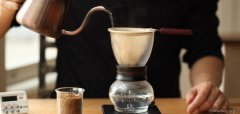
The modern pour-over coffee method was invented in 1908 by German housewife Melitta Bentz, who punched a hole in a copper pot, placed a piece of school notebook blotting paper over it, and poured hot water through to make a clean, grit-free cup of coffee. Her simple idea became the foundation of all modern filter coffee brewing.
The Accidental Invention of Pour-Over
In the late 19th and early 20th centuries, coffee was usually boiled or brewed in bulk — often leaving behind grounds and bitterness. Dissatisfied with these methods, Melitta Bentz experimented at home. Using her son’s school blotting paper and a simple copper bowl with a hole drilled in the bottom, she created the first paper filter pour-over setup. This allowed the coffee to drip cleanly, extracting flavor without the sediment. That moment in 1908 gave us the first true filter drip — the pour-over.
Why Pour-Over Faded for Decades
As coffee production industrialized in the 20th century, mass-market roasters focused on consistency and shelf stability over origin and flavor nuance. Coffee became something you bought pre-ground in cans or quickly grabbed from a chain. With little access to fresh, high-quality beans and no time for manual brewing, most people defaulted to electric drip machines or stopped brewing at home altogether. The pour-over method, though elegant, was largely forgotten outside of specialty circles.
Why Pour-Over Is Back in Style
In recent years, coffee drinkers have returned to valuing quality, freshness, and control over their brew. The pour-over method allows for precision: adjusting grind size, water temperature, and pour rate to highlight different flavors in single-origin beans. Unlike automatic machines, pour-over highlights clarity, acidity, and aroma — especially in well-roasted specialty arabica beans. Its revival mirrors a broader trend toward mindful, artisanal food and drink preparation.
How to Brew Pour-Over Today
To make pour-over coffee like Melitta intended (but better), follow these fundamentals:
- Use freshly roasted specialty-grade arabica coffee
- Grind to a medium-fine consistency (similar to table salt)
- Heat water to 90–96°C (195–205°F)
- Use a standard brew ratio: around 1:15 to 1:17 (coffee to water, e.g., 15g coffee to 225–255ml water)
- Rinse your paper filter with hot water to remove paper taste and preheat the brewer
- Add ground coffee, then start your bloom pour (30–50g of water for 30 seconds)
- Slowly pour the rest of the water in stages, keeping the slurry even
With these steps, you’ll get a clean, bright cup that lets the coffee’s true character shine — just like Melitta Bentz discovered over a century ago.

Frequently Asked Questions
Who invented the pour-over coffee method?
Melitta Bentz, a German housewife, invented the pour-over method in 1908. She punched a hole in a copper pot, used blotting paper from her son’s school supplies as a filter, and poured hot water through to brew clean, grit-free coffee.
Why did pour-over coffee become unpopular?
In the 20th century, coffee production became industrialized, with mass-market roasters prioritizing consistency over flavor. People had less access to fresh, high-quality beans and preferred convenient electric drip machines or instant coffee, causing manual methods like pour-over to fade from mainstream use.
What makes pour-over coffee different today?
Modern pour-over emphasizes precision, fresh beans, and single-origin flavors. Unlike older or industrial methods, today’s pour-over highlights clarity, acidity, and aroma, especially when using specialty-grade arabica coffee and controlled brewing variables like grind size and water temperature.
Is pour-over coffee hard to make at home?
Pour-over is simple but requires attention to detail. You need the right grind size (medium-fine), water temperature (90–96°C), a gooseneck kettle for pouring, and a consistent brew method (like bloom and multi-pour). With practice, it’s one of the most rewarding and cleanest ways to brew specialty coffee at home.
What kind of coffee works best for pour-over?
Light to medium roast specialty arabica beans with distinct origin characteristics work best. These showcase the clarity and nuance that pour-over highlights — such as fruity, floral, or nutty profiles depending on the bean’s origin and processing.
Recommended FrontStreet Beans for Pour-Over
For pour-over, try FrontStreet’s BrazilBourbon for a smooth, balanced cup with mild acidity and notes of nuts and caramel; the ColombiaSidra, with its juicy sweetness and complex fruitiness from double anaerobic fermentation; or the EthiopiaYirgacheffeGedeb for bright citrus, honey, and floral tones. All are ideal for highlighting the clean, nuanced extraction pour-over is known for. Freshly roasted within 5 days · Orders placed before 17:00 ship the same day · Next-day delivery across most of Guangdong Province.
FrontStreet Coffee is a long-established specialty coffee roaster in Guangzhou China, selling freshly roasted beans from its own farm in Yunnan as well as dozens of carefully selected single-origin beans from around the world for both pour-over and espresso. The products deliver consistently excellent quality and great value, with shipping within 24 hours. Guangzhou's FrontStreet Coffee shop is recommended by many coffee lovers, and the beans are now available online at the Tmall 。
Important Notice :
前街咖啡 FrontStreet Coffee has moved to new addredd:
FrontStreet Coffee Address: 315,Donghua East Road,GuangZhou
Tel:020 38364473