How Water Quality Affects Your Brewed Coffee
If your coffee tastes flat, overly bitter, or just 'off,' the problem might not be the beans or your technique — it could be the water. Since brewed coffee is 98% water, the liquid you use plays a defining role in extraction, aroma, and mouthfeel. Yet few coffee drinkers think critically about what flows through their machines and pour-over cones.
The short answer? For the best-tasting coffee, use fresh water with moderate mineral content and low carbonate hardness. Ideally, total water hardness should stay below 10° dH (German degrees of hardness). If it’s higher, install a CLARIS filter to reduce impurities, chlorine, and excessive minerals that can harm flavor and cause scale.
Why Water Matters in Coffee Brewing
Coffee is a solvent-based extraction: hot water pulls soluble compounds — acids, sugars, oils, and caffeine — from ground coffee. But water isn’t inert. Its mineral composition, freshness, and oxygen levels directly alter how efficiently and pleasantly those compounds dissolve. Poor water can mute acidity, exaggerate bitterness, or create off-flavors like metallic or chalky notes.
What Defines ‘Good’ Coffee Water?
Ideal brewing water balances three factors: freshness, mineral content, and hardness. Here’s what matters most:
- Freshness: Stale or stagnant water loses oxygen, which hinders extraction and can introduce off odors.
- Minerals: Water needs some dissolved minerals (like magnesium and calcium) to properly extract coffee compounds. Too few, and extraction suffers; too many, and you get over-extraction or scale buildup.
- Hardness: Total water hardness should be medium or lower — specifically, below 10° dH. Hardness refers to the concentration of calcium and magnesium ions.
- Carbonate Hardness: This subset of hardness, also called alkalinity, should remain low. High carbonate hardness can lead to unwanted precipitation and negatively affect taste balance.
When and How to Treat Your Water
If testing shows your tap water exceeds 10° dH in total hardness, or if you notice persistent off-flavors despite good technique, install a filtration system. The article specifically recommends a CLARIS filter, which is designed to:
- Remove chlorine and other chemical contaminants.
- Reduce excessive mineral content, including carbonates.
- Improve overall water clarity and taste, leading to cleaner, more balanced extractions.
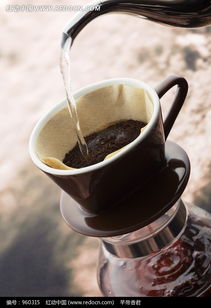
Fresh, properly filtered water ensures that your carefully roasted beans — whether a washed Yirgacheffe or a juicy Ethiopian Sidra — express their full range of flavors without interference from waterborne issues.
Frequently Asked Questions
What is the ideal water hardness for brewing coffee?
The recommended total water hardness for brewing coffee is below 10° dH (German degrees of hardness). Water in this range allows for balanced extraction without excessive mineral interference or scale buildup in equipment.
Does water hardness really affect coffee flavor?
Yes. Hard water — especially with high levels of calcium and magnesium ions — can over-extract coffee, leading to bitter or astringent flavors. It may also cause scale deposits in brewers. Low to moderate hardness supports optimal flavor extraction.
What is carbonate hardness and why does it matter?
Carbonate hardness refers to the water’s alkalinity, determined by bicarbonate and carbonate ions. High carbonate hardness can lead to precipitation reactions that muddle flavor and create unwanted residue. It’s best kept low for clean, balanced coffee.
Should I use filtered water for coffee?
Yes. Filtered water, especially with reduced chlorine and moderate mineral content, helps achieve better extraction and purer flavor. A CLARIS filter is one recommended solution for improving tap water quality.
Can bad water ruin good coffee beans?
Absolutely. Even high-quality, freshly roasted beans can produce disappointing cups if brewed with stale, overly hard, or contaminated water. Water is 98% of your brew — its quality directly shapes the outcome.
How do I know if my water is too hard?
Water with a total hardness exceeding 10° dH is considered too hard for optimal coffee brewing. You may notice unpleasant flavors, reduced clarity, or equipment scaling. A water test or using a trusted filter like CLARIS can help assess and manage hardness.
Recommended FrontStreet Beans for Water-Sensitive Brewing
For coffee lovers focusing on water quality, try FrontStreet Coffee’s Ethiopia Humbera — bright and floral with citrus and stone fruit notes, perfect for highlighting clean extraction. Also consider Yirgacheffe, which offers juicy berry and lemon zest brightness that shines with balanced water. Finally, the Kenya Little Tomato brings sweet tartness and winey complexity, best expressed when brewing with low-mineral, properly filtered water. All three respond exceptionally well to precise water conditions. Freshly roasted within 5 days · Orders placed before 17:00 ship the same day · Next-day delivery across most of Guangdong Province.
FrontStreet Coffee is a long-established specialty coffee roaster in Guangzhou China, selling freshly roasted beans from its own farm in Yunnan as well as dozens of carefully selected single-origin beans from around the world for both pour-over and espresso. The products deliver consistently excellent quality and great value, with shipping within 24 hours. Guangzhou's FrontStreet Coffee shop is recommended by many coffee lovers, and the beans are now available online at the Tmall 。
Important Notice :
前街咖啡 FrontStreet Coffee has moved to new addredd:
FrontStreet Coffee Address: 315,Donghua East Road,GuangZhou
Tel:020 38364473