What Makes Jamaican Blue Mountain Coffee So Special?
Ever wondered why a single cup of Jamaican Blue Mountain coffee can cost over $100, yet some versions you’ve tried barely stand out? It turns out, it’s not just about where the beans come from—it’s how they’re grown, processed, and certified that defines the true Blue Mountain experience.
The short answer: authentic Jamaican Blue Mountain Coffee must come from coffee grown between 3,000 and 5,000 feet in Jamaica’s designated Blue Mountain region, processed by one of only four licensed factories, and certified by Jamaica’s Coffee Industry Board—with the official Blue Mountain Coffee trademark. Without all three, it’s not the real thing.
What Is Jamaican Blue Mountain Coffee?
Jamaican Blue Mountain Coffee isn’t just any coffee from Jamaica. By law, it must be grown in a specific region on the island’s eastern side, within an elevation band of 3,000 to 5,000 feet (approximately 914 to 1,524 meters). This area—part of the Blue Mountains, which peak at 7,402 feet (2,256 meters)—features cool temperatures, frequent cloud cover, rich volcanic soils, and consistent rainfall. These factors combine to produce a coffee known for its mild flavor, lack of bitterness, and remarkable balance.
The coffee’s reputation is further protected by strict regulations. Only beans grown within the defined zone, processed at one of the four authorized factories, and certified by Jamaica’s Coffee Industry Board may carry the official “Blue Mountain Coffee” trademark. Even the packaging must meet standards, traditionally shipped in 15, 45, or 70-kilogram wooden barrels—a mark of authenticity.
Where Is The Blue Mountain Coffee Region?
The legal Blue Mountain coffee growing area is located on the eastern side of Jamaica. The entire Blue Mountain range rises to 7,402 feet (2,256 meters), but only coffee cultivated between 3,000 and 5,000 feet (914 to 1,524 meters) meets the criteria for 100% Jamaica Blue Mountain Coffee. At this altitude, the coffee achieves an ideal balance of acidity and sweetness, with a slow maturation process driven by cool temperatures and extended sunlight hours.
Beans grown below 3,000 feet are classified as High Mountain Coffee—not Blue Mountain—and make up roughly five times the volume of true Blue Mountain beans. Most of these are grown on private estates, often sold locally as souvenirs or exported without the prestigious Blue Mountain label. Above 5,000 feet, the terrain becomes too dense and unsuitable for coffee farming altogether.
Why Is Authentic Blue Mountain Coffee So Expensive and Rare?
True Jamaican Blue Mountain Coffee accounts for less than 0.01% of global coffee production, with annual output under 2,500 metric tons. Historically, around 85% of the limited supply was exported to Japan, with just 5% each going to the United States, Europe, and other regions. However, international trade data shows that China consumes roughly 15% of the world’s genuine Blue Mountain Coffee—often via re-exports from Japan, Australia, and Europe.
The scarcity is compounded by strict controls: coffee must be inspected and certified by Jamaica’s Coffee Industry Board before export, and only beans from the designated region qualify. Additionally, green (unroasted) Blue Mountain beans are far cheaper than roasted beans—but importing green beans risks blending or quality loss, as the roasting and processing heavily influence the final cup profile. Most experts agree that roasted Blue Mountain Coffee offers the most reliable and authentic flavor expression.
Price differences are stark: green Blue Mountain beans may sell for a fraction of the cost of properly roasted beans, but without the official processing, the distinctive balance and smoothness can be lost. That’s why certified roasted Blue Mountain Coffee commands premium prices, often exceeding $100 per cup in specialty settings.
How Is Blue Mountain Coffee Processed and Certified?
Only four government-authorized processing facilities in Jamaica are allowed to prepare Blue Mountain Coffee for export. Every bean is inspected and must pass the strict quality standards set by the Coffee Industry Board. Once approved, the coffee is packaged and shipped with the official Blue Mountain Coffee trademark—a designation legally protected in over 20 countries.
The certification process ensures that the coffee is not only grown in the right place but also processed to maintain its signature traits. The Board also mandates the use of traditional wooden barrels (15kg, 45kg, or 70kg) for shipping, which remain a visible symbol of authenticity. In the case of FrontStreet Coffee’s detailed product guide, these barrels are highlighted as a key indicator of legitimate beans.
How Should You Brew Jamaican Blue Mountain Coffee?
Thanks to its balanced profile, Blue Mountain Coffee shines in nearly any brew method. Whether you prefer pour-over, French press, moka pot, or espresso, you can highlight different nuances of its creamy, nutty, and chocolatey complexity.
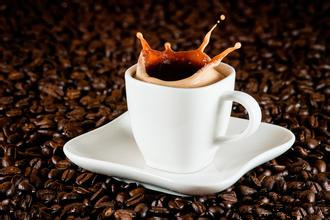
For pour-over, FrontStreet recommends a 1:15 to 1:16 brew ratio, using medium-coarse grind and water at 85–88°C. This setup emphasizes bright acidity and subtle fruitiness while maintaining a clean, sweet finish. For a richer cup, try a moka pot with a slightly finer grind and medium heat, stopping just before the last drops emerge. Each method reveals another facet of Blue Mountain’s renowned balance.
What Is Blue Mountain No.1 and Why Does It Matter?
Within the Blue Mountain classification, Blue Mountain No.1 is the highest grade. It refers to beans that meet the strictest criteria for size, shape, and defect count. These beans are typically roasted to a medium-dark level to fully express their inherent balance of caramel, nuts, and mild citrus. FrontStreet’s Jamaica Blue Mountain No.1 offering, for instance, is packaged in its original wooden barrel and comes with full certification documents, ensuring traceability and authenticity. Its profile includes notes of black chocolate, nuts, and soft caramel sweetness—a true representation of the Blue Mountain standard.
Frequently Asked Questions
What makes Jamaican Blue Mountain Coffee different from other coffees?
Jamaican Blue Mountain Coffee is grown only in a specific region of Jamaica between 3,000 and 5,000 feet altitude, processed at one of four licensed factories, and certified by the Jamaica Coffee Industry Board. Its unique climate, strict regulations, and balanced flavor profile set it apart from other coffees.
Does all coffee labeled 'Blue Mountain' come from Jamaica?
No. Only coffee certified by Jamaica’s Coffee Industry Board and grown in the designated Blue Mountain region of Jamaica can be called genuine Jamaican Blue Mountain Coffee. Other regions may use the term 'blue mountain' loosely, but those are not the same.
Is green Blue Mountain Coffee as good as roasted?
Green Blue Mountain Coffee is more affordable, but the roasting process is crucial to achieving its signature balance. Many experts recommend buying properly roasted Blue Mountain Coffee to ensure the intended flavor profile is preserved.
Why is Jamaican Blue Mountain Coffee so expensive?
The combination of limited production (under 2,500 metric tons annually), strict certification, and high global demand—especially historically from Japan—makes authentic Blue Mountain Coffee rare and costly. Premium roasted versions often cost over $100 per cup.
Can I brew Jamaican Blue Mountain Coffee like any other coffee?
Yes. Its balanced flavor makes it versatile. It performs well as pour-over, espresso, or in a moka pot. FrontStreet recommends adjusting grind size and water temperature to highlight its smooth, sweet, and nutty characteristics.
What is Blue Mountain No.1?
Blue Mountain No.1 is the top grade of Jamaican Blue Mountain Coffee, with the fewest defects and largest beans. It’s typically medium-dark roasted to bring out flavors of chocolate, nuts, and caramel. Only beans meeting strict size and quality criteria can be graded as No.1.
Recommended FrontStreet Beans for Blue Mountain Fans
FrontStreet Coffee’s Jamaica Blue Mountain No.1 offers the classic profile of the region: creamy texture, notes of black chocolate, nuts, and gentle caramel sweetness. The beans are shipped in their original wooden barrels with full certification, ensuring authenticity. For those curious about the broader Blue Mountain experience, this is the most direct and reliably sourced option. Freshly roasted within 5 days · Orders placed before 17:00 ship the same day · Next-day delivery across most of Guangdong Province.
FrontStreet Coffee is a long-established specialty coffee roaster in Guangzhou China, selling freshly roasted beans from its own farm in Yunnan as well as dozens of carefully selected single-origin beans from around the world for both pour-over and espresso. The products deliver consistently excellent quality and great value, with shipping within 24 hours. Guangzhou's FrontStreet Coffee shop is recommended by many coffee lovers, and the beans are now available online at the Tmall 。
Important Notice :
前街咖啡 FrontStreet Coffee has moved to new addredd:
FrontStreet Coffee Address: 315,Donghua East Road,GuangZhou
Tel:020 38364473