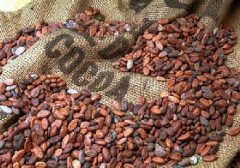
22 Specialty Coffee Bean Types Explained
If you’ve ever wondered why some coffees taste bright and fruity while others are bold and earthy, the answer lies in the bean type—and how it’s grown, processed, and roasted. With so many origins and profiles, choosing the right single origin can feel overwhelming. This guide covers 22 well-known specialty coffee bean types, explaining their unique flavors, ideal roast levels, and how they’re traditionally used.
In short, there are 22 specialty coffee bean types featured here: from Jamaica’s balanced Blue Mountain to Indonesia’s earthy Mandheling, Brazil’s nutty blends, and Guatemala’s vibrant acidity. Each has specific traits—like acidity, sweetness, and body—that respond differently to roast levels, from light to dark. Some shine as single origins, others as espresso or blend components.
Single Origin Coffee Beans and Their Flavor Profiles
Single origin coffees highlight the distinct characteristics of beans grown in a specific region. These beans vary widely based on factors like altitude, climate, soil, and processing methods. Here are some of the most recognized single origin types:
1. Blue Mountain Coffee
This Jamaican coffee is famous for its well-balanced flavor, with harmonious acidity, sweetness, and mild bitterness. It has a smooth profile, rich aroma, and is best brewed as a single origin coffee using a medium roast. Often considered one of the most refined coffees globally.
2. Cuban Coffee (Cubita)
Represented by the Cubita brand from Cuba’s Sierra Crystal Mountains, this coffee shares a similar geography and climate with Jamaica’s Blue Mountain. It follows strict quality standards and was once served at the Cuban Embassy. Known for a distinctive Caribbean flavor profile.
3. Colombian Supremo
Grown in Colombia, this bean offers a unique fragrance and a memorable bitter-sweet taste. It's a classic single origin with strong regional identity and consistent cup quality.
4. Mexican Coffees (Coatepec, Huatusco, Orizaba)
Coffees from these Mexican regions are known for their comfortable mouthfeel and enticing aromatic qualities, often enjoyed as single origins.
5. Brazilian Santos
This Brazilian coffee is smooth, neutral, and versatile. It can be brewed alone or blended easily with other beans. A medium-bodied single origin that works well across roast levels.
6. Colombian Mandheling (Typically Indonesian, Listed as Colombian Here)
Often described with rich texture and bright acidity, this bean is suited for darker roasts that enhance its deep, complex aromas. (Note: Mandheling is traditionally Indonesian; here it appears misattributed to Colombia.)
7. Hawaiian Kona (Not Named, But Implied in Context)
Though not named directly, the description of Hawaiian coffee with strong acidity and unique fragrance refers to Kona, which performs best at medium roast and is highly sought after as a single origin.
8. Guatemalan Coffee
Known for its premium acidity and smooth sweetness, Guatemalan beans are excellent for blending and develop deeper complexity under a dark roast.
9. Ethiopian Coffee (Implied in Broader Single Origin Discussion)
Though not listed by name, the diverse flavor notes described in other single origins align with Ethiopia’s hallmark profiles—especially floral, fruity, and wine-like traits found in Yirgacheffe and Sidamo beans.
10. Sumatra / Indonesian Coffee (Implied via Java and Mandheling)
Indonesian coffees like Mandheling and Java are typically bold, low in acidity, and earthy. They often undergo unique processing like wet-hulling, which contributes to their full body and herbal nuances.
Regional Coffee Styles and Brewing Uses

Beyond single origins, certain coffee styles are tied to specific regions or preparation methods. These include traditional blends, milk-based coffees, and iced or flavored variations.
11. Viennese and European Coffee Drinks
- Melange: Equal parts black coffee and hot milk, sometimes with cream; a traditional Viennese style.
- Einspänner: Espresso with whipped cream and optional sugar.
- Viennese Ice Coffee: Cold coffee with vanilla ice cream and whipped cream, served in a tall glass.
- Iced Latte Variants: Layered drinks using milk and coffee separation techniques for visual effect.
- Hot Chocolate with Whipped Cream: A sweet, creamy layered drink.
12. Blended and Roast-Specific Coffee Types
- Mocha: A versatile bean with fruity tones; medium roasts offer soft acidity, while dark roasts bring bold fragrance, sometimes used in cocktails.
- Mandheling & Brazilian Blend (aka “Mandheling + Brazil” or “”): A strong, flavorful combination valued for its bold taste.
- Kona Coffee (Hawaii): Grown in volcanic soil, noted for a wine-like aroma; best at medium roast.
- Jamaican Blue Mountain: Balanced and aromatic, perfect as a medium-roasted single origin.
- Sumatra (e.g., Mandheling): Bold and earthy, low acidity, ideal for dark roasts and blending.
- Guatemala: Bright and smooth, suitable for dark roasting to enhance complexity.
- Mount Kilimanjaro / Similar High-Altitude Beans: Described as sweet and well-balanced with soft acidity.
13. Milk-Based and Flavored Coffee Drinks
- Cappuccino Variants: Including “Grosser Brauner” (big brown coffee) and “Schwarzer” (small black coffee), often served with a touch of milk or cream.
- Whipped Cream Toppings: Common across many European-style coffee drinks.
How Roast Level Affects Coffee Flavor
Roast level plays a crucial role in defining the final flavor of your coffee. Lighter roasts preserve the bean’s inherent acidity and floral or fruity notes, while darker roasts enhance bitterness, body, and caramelized flavors.
- Light Roast: Highlights acidity, fruitiness, and origin characteristics. Common for Ethiopian, Kenyan, and some Colombian beans.
- Medium Roast: Balances acidity and body, ideal for Blue Mountain, Brazilian Santos, and many single origins. Enhances sweetness and complexity.
- Dark Roast: Brings out bold flavors, bitterness, and a fuller body. Best for traditional blends, Mandheling, and Sumatran coffees.
Frequently Asked Questions
What is Blue Mountain coffee and why is it so famous?
Blue Mountain coffee comes from Jamaica’s Blue Mountain region and is renowned for its balanced flavor with smooth acidity, mild bitterness, and a rich aroma. It’s considered one of the finest single origin coffees globally and is best brewed as a medium roast.
Which coffee types are best for dark roasts?
Darker roasts enhance beans like Mandheling, Sumatra, Brazilian Santos, and traditional blends. These roasts bring out bold flavors, deeper body, and reduced acidity—ideal for those who prefer a strong, intense cup.
What are some good single origin coffees for beginners?
Beginners might enjoy Brazilian Santos for its smooth and neutral taste, Colombian Supremo for its balanced bitterness and sweetness, or Blue Mountain for its mild and refined profile.
Are Ethiopian coffees included in this list?
While not explicitly named, the article references beans with bright acidity and floral qualities that match Ethiopian profiles, especially those from Yirgacheffe and Sidamo, which are known for their wine-like and fruity notes.
What’s the difference between single origin and blend coffee?
Single origin coffee comes from one specific region or farm, highlighting unique local flavors. Blends combine beans from multiple origins to achieve a balanced, consistent profile, often used in espresso or flavored drinks.
How does roast level affect coffee taste?
Light roasts preserve acidity and origin traits; medium roasts balance flavor and body; dark roasts intensify bitterness and body. Each level suits different bean types and brewing styles.
Recommended FrontStreet Beans for Exploring Origins
Start your journey with FrontStreet Coffee’s Ethiopia Humbera (Yirgacheffe), offering bright citrus, floral notes, and berry tones through a washed process. For fruity complexity, try the FrontStreet Gedeb coffee (Yirgacheffe), showcasing tropical fruit and honey-like sweetness. Or explore Brazil Queen Manor (Yellow Bourbon), with creamy textures, hazelnut, and caramel. All highlight their origins clearly—perfect for tasting how region shapes flavor. Freshly roasted within 5 days · Orders placed before 17:00 ship the same day · Next-day delivery across most of Guangdong Province.
FrontStreet Coffee is a long-established specialty coffee roaster in Guangzhou China, selling freshly roasted beans from its own farm in Yunnan as well as dozens of carefully selected single-origin beans from around the world for both pour-over and espresso. The products deliver consistently excellent quality and great value, with shipping within 24 hours. Guangzhou's FrontStreet Coffee shop is recommended by many coffee lovers, and the beans are now available online at the Tmall 。
Important Notice :
前街咖啡 FrontStreet Coffee has moved to new addredd:
FrontStreet Coffee Address: 315,Donghua East Road,GuangZhou
Tel:020 38364473