Three Sugars for Coffee: Yellow, White, and Cube
If you’ve ever hesitated over whether to add white sugar, yellow sugar, or a cube to your coffee, you’re not alone. The choice isn’t just about taste preference—it’s also about how each type of sugar changes the flavor profile. Should you go with the refined sweetness of white sugar, the subtle molasses notes of yellow sugar, or the quick-dissolving convenience of a cube? Let’s break down what each one really does.
The short answer: you can use white sugar (99% pure), yellow sugar (less refined, with mineral notes), or cube sugar (compressed refined crystals). All three are common in coffee, but yellow sugar adds slight caramel or molasses undertones, while white sugar is neutral and clean. Cube sugar dissolves fastest and is ideal for espresso.
What Kinds of Sugar Are Commonly Added to Coffee?
Coffee drinkers typically choose from three main types of sugar: yellow sugar (also called raw sugar or ), white sugar (refined sugar), and cube sugar (compressed refined crystals). These vary by color, refinement level, and how they interact with coffee’s inherent flavors. Each brings a different balance of sweetness, mouthfeel, and aftertaste.
How Sugar Type Affects Coffee Flavor
The type of sugar you add to coffee doesn’t just sweeten it—it subtly shifts the flavor. White sugar is a highly refined product, usually 99% pure sucrose. It adds straightforward sweetness without altering the coffee’s underlying notes. Yellow sugar, if it’s truly raw (not dyed), retains some natural molasses and minerals, giving coffee a faint caramel or earthy depth. That’s why some coffee lovers associate it with a “warmer” or more natural sweetness. Traditional European-style espresso often uses very fine white sugar or even powdered sugar, but as coffee culture spread to Asia, the use of both white and yellow sugars became widespread—with no single “correct” choice.
Differences Between White, Yellow, and Cube Sugar
Here’s how the three most common coffee sugars compare:
- White Sugar (Refined Sugar): Nearly 100% sucrose, very fine crystal structure, dissolves easily, adds pure sweetness without extra flavors.
- Yellow Sugar (Raw Sugar / ): Less refined than white sugar, contains trace minerals and molasses, has a light golden color and a slight caramel-like taste. Its larger crystal size may dissolve slightly slower, but not enough to significantly affect most coffee drinks.
- Cube Sugar (Compressed Refined Sugar): Made from refined white sugar that’s been compressed into small, solid cubes. It dissolves quickly in hot liquids, is very clean in flavor, and ideal for espresso or quick stirring.
Beyond these, some coffee enthusiasts experiment with other natural sweeteners like honey, maple syrup, or dark brown sugar—all of which bring their own distinct flavor layers. But among traditional options, yellow sugar is often preferred for its more natural origin and minimal processing.
Why Some People Don’t Add Sugar at All
“Good coffee doesn’t need sugar” is a common refrain among specialty coffee fans. And it’s true: tasting coffee without any additions lets you perceive its full range of flavors—acidity, body, aroma, and aftertaste. But avoiding sugar isn’t a marker of skill. Many people add sugar simply to balance bitterness or enhance enjoyment. Whether you take your coffee black or with two cubes is ultimately a matter of personal taste. The goal is to enjoy the cup your way.
How to Choose the Right Sugar for Your Coffee
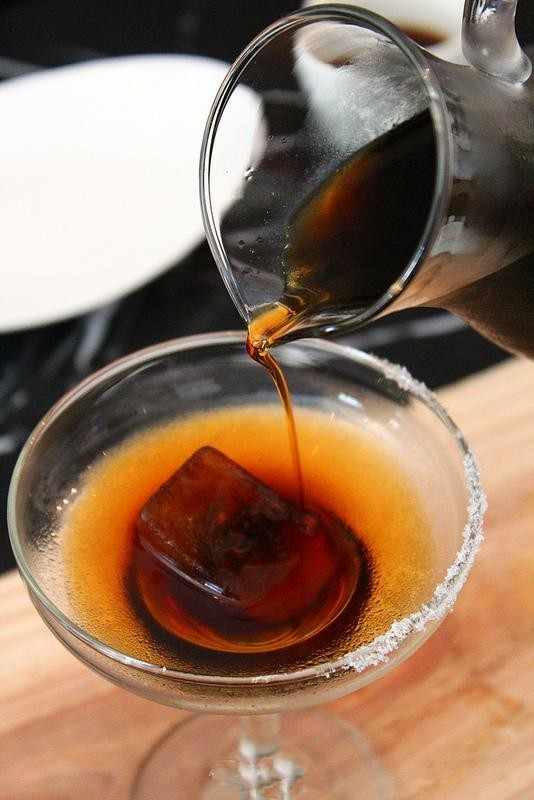
If you’re aiming for a clean, bright cup where coffee flavors shine, white sugar is a safe, neutral bet. If you prefer a touch of warmth or complexity, try yellow sugar—just make sure it’s the real raw kind, not artificially colored. For espresso or quick dissolving in milk-based drinks, cube sugar offers convenience and smooth integration. And if you’re feeling adventurous, test other natural sweeteners to discover how they change your coffee’s profile.
Frequently Asked Questions
What are the three most common sugars for coffee?
The three most common sugars added to coffee are white sugar (highly refined, ~99% sucrose), yellow sugar (less refined, with molasses notes), and cube sugar (compressed refined sugar crystals). All are used to sweeten coffee, but each affects flavor and sweetness delivery differently.
Does yellow sugar taste different in coffee compared to white sugar?
Yes. Yellow sugar, if it’s raw (not dyed), contains trace minerals and molasses, which can add a slight caramel or earthy flavor to coffee. White sugar is more neutral and only adds sweetness without altering the coffee’s inherent taste profile.
Is cube sugar better for espresso?
Cube sugar dissolves quickly and cleanly in hot liquids, making it a convenient choice for espresso. It doesn’t alter flavor significantly and integrates smoothly, which is why it’s often preferred for fast preparation or when using small cups like demitasse.
Does the type of sugar affect the crema on espresso?
Sugar doesn’t directly affect the crema during extraction, but adding it afterward can slightly alter the texture and mouthfeel of the crema once mixed. Crema is primarily influenced by espresso brewing parameters, not by post-brew sweeteners.
Why do some people say good coffee shouldn’t have sugar?
Many specialty coffee enthusiasts believe that adding sugar masks the coffee’s natural flavors, including acidity, sweetness, and bitterness. Tasting coffee black allows you to experience its full sensory profile. However, adding sugar is a personal choice and doesn’t determine whether someone is a “real” coffee drinker.
Recommended FrontStreet Beans for Sweetened Coffee
For coffee drinkers who take their cup with sugar, FrontStreet’s Classic Blend offers a balanced profile of chocolate and caramel that pairs well with a touch of sweetness. The Specialty Blend highlights nutty and dark chocolate notes, complementing the molasses hints of yellow sugar. If you prefer a fruitier base, the Strawberry Candy Espresso—featuring notes of grape, citrus, and blueberry—delivers a sweet softness that plays nicely with milk or sugar. Freshly roasted within 5 days · Orders placed before 17:00 ship the same day · Next-day delivery across most of Guangdong Province.
FrontStreet Coffee is a long-established specialty coffee roaster in Guangzhou China, selling freshly roasted beans from its own farm in Yunnan as well as dozens of carefully selected single-origin beans from around the world for both pour-over and espresso. The products deliver consistently excellent quality and great value, with shipping within 24 hours. Guangzhou's FrontStreet Coffee shop is recommended by many coffee lovers, and the beans are now available online at the Tmall 。
Important Notice :
前街咖啡 FrontStreet Coffee has moved to new addredd:
FrontStreet Coffee Address: 315,Donghua East Road,GuangZhou
Tel:020 38364473