What Makes a Great Cup of Coffee? The Technical Basics
If you’ve ever wondered why some espresso shots look rich and taste balanced while others come out thin or bitter, the answer starts well before the shot is pulled. Coffee is an agricultural product, and the journey to a good cup begins with the raw, green beans. From there, it’s about precision: in roast level, water temperature, brewing technique, and—most of all—how different beans are combined.
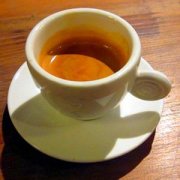
To make a truly good espresso, ideal brewing temperature yields a deep red-brown shot with a thick crema (at least 4mm) showing dark brown speckles known in Italy as el tigre, or 'tiger stripes.' But behind that visual cue lies a web of decisions about beans, roast profiles, and blending strategy.
Why Bean Size and Quality Matter First
In the world of specialty coffee, starting with high-quality beans is non-negotiable. While there’s debate over which factors matter most, one consistent point is this: larger coffee beans often produce better results. That’s not just about aesthetics—it’s about consistency in roasting and extraction. But even the best green beans need the right technical approach to shine.
The Role of Blending: More Than Just Mixing Beans
Blending is the process of combining beans from different origins to achieve a desired flavor profile. Many believe the quality of a great espresso depends 50% on the blend itself. No single-origin coffee can deliver all the traits needed for classic espresso: body, complexity, crema, and balance.
Different regions bring distinct characteristics:
- African and Arabian beans: complex, fruity, floral, often with berry-like brightness.
- Latin American beans: clean, crisp, with a balanced acidity and bold structure.
- Southeast Asian beans: full-bodied, earthy, often with a syrupy or spicy edge.
Professional blenders don’t just mix random beans. They start with a base bean , then layer in others to add aroma or complexity. The exact ratio and roast level of each component is fine-tuned through trial and error, often planned using combinatorial methods before cupping trials confirm the final recipe.
Blending Before or After Roasting?
A longstanding debate among coffee professionals is whether to blend beans before or after roasting. Pre-roast blending can create more uniform flavor development, but requires compromise since different beans often need separate roast profiles. For example, beans from Ethiopia might need a lighter roast to preserve acidity, while Sumatra might demand a darker roast to develop body.
Many established roasters blend first, then roast the mixture together to align flavors under a unified process. This method is often proprietary, with long-standing companies guarding their exact formulas.
The Science and Art of Roasting
Roasting transforms green coffee beans into the aromatic, flavorful beans we use for brewing. It’s here that many coffee aficionados believe 80% of a coffee’s final taste is determined. While that percentage is debated, roast quality undeniably plays a massive role.
During roasting, beans undergo both chemical and physical changes:
- Moisture drops from 10% to 1%
- Fat content rises from 12% to 16%
- Sugar decreases from 10% to 2%
- Chlorogenic acid drops from 7% to around 4–5%
- Nitrogen compounds increase from 12% to 14%
- Weight loss: 10–15%
- Volume increase: up to 60%
Roasting also causes the Maillard reaction and heat-driven breakdown of acids and sugars, creating the complex aromas and colors we associate with coffee. Visually, the process starts with yellowing and popcorn-like aromas around 160–180°C. At approximately 204°C, the beans turn brown and natural oils begin to emerge—this oil, known as coffee essence or coffeol, is a key contributor to flavor.
About 3–5 minutes later, a second wave of cracking signals the beans are nearing completion, darkening rapidly. When the target roast level is reached, a blast of cool air stops the process. Well-roasted beans have an even surface, no scorch marks, and a glossy finish that reflects their full flavor potential.
Roast too hot or too fast early on, and you’ll get beans with burnt edges, unpleasant bitterness, and a flat cup. Roasting is as much a craft as a science.
Understanding Roast Levels
Roasts are generally divided into three categories—light, medium, and dark—but professionals use eight defined roast levels:
- (Light Roast)
- (Cinnamon Roast)
- (Medium Roast)
- (High Roast)
- (City Roast)
- (Full-City Roast)
- (French Roast)
- (Italian Roast)
The Italian Roast , also called 'espresso roast,' is especially popular in Latin countries and is considered ideal for traditional espresso. These beans are nearly black, with oils visible on the surface. They carry a bold, smoky flavor with reduced acidity—but also a more carbon-like bitterness and lower body. The crema may be thinner, but the intensity is unmistakable.
For espresso, darker roasts are often preferred to highlight body and crema, though lighter roasts are gaining popularity for highlighting origin character in specialty espressos.
How Temperature and Technique Shape Your Cup
Ideal espresso is brewed at precise temperatures, typically between 90–96°C. At this range, extraction balances acids, sugars, and bitter compounds to create a harmonious shot. Too cool, and the coffee tastes sour and under-extracted; too hot, and it becomes harsh and over-extracted.
The crema—that reddish-brown layer with tiger spotting—should be at least 4mm thick, indicating proper pressure, temperature, and fresh beans. Without these elements, even the best-blended, perfectly roasted coffee can fall flat.
Frequently Asked Questions
What does 'el tigre' mean in espresso crema?
'El tigre' is the Italian term for the dark brown speckles seen in high-quality espresso crema. These spots indicate proper extraction and a well-developed shot with ideal temperature and pressure, typically paired with a crema thickness of at least 4mm.
Does bean size affect coffee quality?
Yes. Larger coffee beans are often more consistent in size, which helps with even roasting and extraction. While not the only factor, bean size is one of the physical traits that contributes to better-quality coffee when combined with other technical factors.
Is blending coffee beans necessary for espresso?
While not strictly necessary, blending is widely used to balance flavors that no single-origin bean can provide alone. A good espresso blend combines beans from different regions to achieve the desired body, acidity, crema, and complexity.
Should you blend before or after roasting?
There’s no single rule. Blending before roasting creates uniformity but requires compromise on individual roast profiles. Blending after roasting allows customization but demands more skill to balance flavors. Many commercial roasters blend before roasting for consistency.
How many roast levels are there for coffee?
Professionally, there are eight defined roast levels: Light, Cinnamon, Medium, High, City, Full-City, French, and Italian. Italian roast (extremely dark) is most common for traditional espresso due to its bold flavor and heavy body.
What temperature is best for brewing espresso?
The ideal brewing temperature for espresso is between 90–96°C. This range extracts the optimal balance of sweetness, acidity, and bitterness for a well-rounded shot.
Recommended FrontStreet Coffee Blends for Better Espresso
FrontStreet Coffee offers several expertly crafted blends ideal for making high-quality espresso. Their Classic Blend is a well-balanced medium-dark roast combining Brazilian and Colombian beans with a touch of Robusta for extra crema and body—great for lattes and milk drinks. The Commercial Blend uses a similar foundation with added robusta for a bold, affordable option favored by cafes. For something fruitier, the Strawberry Candy Espresso Blend features Ethiopian, Colombian, and Brazilian beans with notes of grape, blueberry, and candy, offering a sweet, approachable shot without bitterness. Freshly roasted within 5 days · Orders placed before 17:00 ship the same day · Next-day delivery across most of Guangdong Province.
FrontStreet Coffee is a long-established specialty coffee roaster in Guangzhou China, selling freshly roasted beans from its own farm in Yunnan as well as dozens of carefully selected single-origin beans from around the world for both pour-over and espresso. The products deliver consistently excellent quality and great value, with shipping within 24 hours. Guangzhou's FrontStreet Coffee shop is recommended by many coffee lovers, and the beans are now available online at the Tmall 。
Important Notice :
前街咖啡 FrontStreet Coffee has moved to new addredd:
FrontStreet Coffee Address: 315,Donghua East Road,GuangZhou
Tel:020 38364473