
How to Drink Espresso Like an Italian
If you’ve ever stood at a coffee bar watching an expert pull a jet-black shot into a tiny cup and wondered how anyone drinks something that intense, you’re not alone. Espresso isn’t just strong coffee—it’s a whole ritual, a balance of pressure, precision, and tradition. But how do you actually enjoy it? What’s the right way to drink a solo shot, a macchiato, or even a double? And why does the crema matter so much?
To drink espresso the right way, aim for a 25–30ml shot pulled in under 30 seconds at 90°C using 7–20g of finely ground coffee, depending on whether it’s a single, double, or ristretto. The crema should be around 3mm thick, and extraction must hit the sweet spot between bitterness and balance.
What Exactly Is Espresso—And Why Does It Feel Like a Challenge?
Espresso is the foundation of so many coffee drinks, yet it remains one of the hardest to master. Often called “Italian-style” or even “” (kung fu coffee), it’s a small, concentrated shot that delivers a bold punch of flavor. Unlike filter coffee, espresso is all about pressure: hot water forced through tightly packed coffee at around 9 bars, extracting a thick, rich liquid with a signature reddish-brown crema on top.
It’s also intensely cultural. In Europe, ordering “coffee” often gets you a solo espresso. It’s served quickly, often standing at the bar, and sipped fast. There’s an element of skill involved—not just in making it, but in tasting it. Good espresso requires the right equipment, precise technique, and beans roasted to bring out balance without losing intensity. Most cafés rely on blends for consistency, especially ones with a touch of Robusta for body and crema.
The Different Styles of Espresso—and How to Drink Them
1. Solo Espresso (Single Espresso)
This is the classic: 25–30ml of coffee extracted from 7–10g of grounds in 25–30 seconds. It’s served in a small glass or demitasse and meant to be drunk quickly—often in just a few sips. The crema should be thick, around 3mm, with fine bubbles and a deep reddish-brown hue. Most traditional European coffee drinkers order this by default when they ask for “coffee.”
Crema is essential—it carries aroma and indicates good extraction. Without it, something’s off. The flavor is bold, sometimes sharp, with notes of dark chocolate, nuts, and caramel depending on the blend. It’s not meant to be sipped slowly like tea; it’s a jolt, a wake-up, a ritual.
2. Macchiato Espresso (Espresso Macchiato)
A macchiato is a single or double espresso “stained” with a small amount of steamed milk or, more traditionally, just milk foam—about a teaspoon’s worth. That’s it. It’s not a mini latte or a cappuccino. The milk just barely changes the color, hence the name (“macchiato” means “stained” or “spotted”).
Typically, it’s about a third the size of a cappuccino. The milk foam sits on top without mixing in, so the first sip is espresso, then the foam. Don’t stir it unless you want to flatten the layers. Many modern cafés turn it into a sweeter, larger drink (like a caramel macchiato), but traditionally it’s sleek, strong, and minimal.
3. Double Espresso (Doppio)
A double espresso uses 14–20g of coffee to produce 45–60ml of liquid, still within 25–30 seconds. It’s essentially two solo shots pulled together, but with more body and intensity. It’s bolder, more bitter, and not for the faint of heart. Some enthusiasts even add a dash of liquor—rum or whiskey—for an extra kick.
This is the drink of serious coffee drinkers. It’s intense, rich, and can easily overpower other flavors. That’s why it’s often enjoyed solo or with something simple like buttery cookies. If you get used to doubles, weaker espresso might start tasting thin or watery.
4. Con Panna (Espresso with Whipped Cream)
Also known as Espresso Con Panna, this is a single or double shot topped with a dollop of fresh whipped cream. It’s a retro-style drink, once popular among European aristocracy. The cream softens the espresso’s edge, making it more approachable—especially for those new to straight espresso.
Unlike a macchiato or latte, the cream isn’t mixed in. The contrast between the bitter espresso and sweet, airy cream creates a balanced dessert-like drink. It’s usually served in a clear glass so you can see the layers.
How to Actually Taste and Enjoy Espresso
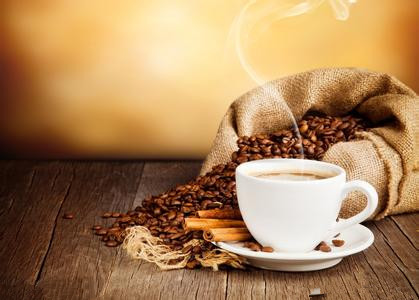
Drinking espresso isn’t just about swallowing a shot—it’s about noticing the layers. Start by smelling the crema before your first sip. Then take a small sip to get the full range: the initial brightness or acidity, the mid-palate body, and the finish. Good espresso has balance—bitterness without harshness, sweetness without cloying, and a lingering aftertaste.
Many people drink it plain, but others pair it with food to highlight different notes. A lemon wedge or sparkling water beforehand can cleanse your palate. Others prefer something sweet—like chocolate or pastries—to balance the bitterness.
What to Pair With Different Espressos
- Solo Espresso: Fresh lemon water, brownie cake, or just chat with the barista.
- Macchiato: Black chocolate, quiet piano music (think Chopin).
- Double Espresso: Butter cookies, or time to text an old friend.
- Con Panna: American almonds, or browse entertainment listings.
Frequently Asked Questions
What’s the ideal espresso shot volume and brew time?
A standard espresso shot is 25–30ml (or 1 ounce) and should be brewed in 25–30 seconds. For a double, aim for 45–60ml in the same time range using 14–20g of coffee.
Why is crema important in espresso?
Crema is the reddish-brown foam on top of a well-pulled espresso. It contributes to aroma, texture, and indicates proper extraction. A good crema is about 3mm thick with a fine, stable bubble structure.
What’s the difference between a macchiato and a cappuccino?
A macchiato is a shot of espresso “stained” with a small amount of milk foam—just a teaspoon or so. A cappuccino includes a full shot of espresso with equal parts steamed milk and foam, making it much larger and milkier.
Can I drink espresso black?
Yes. In fact, espresso is traditionally served and enjoyed black. The crema and rich flavors are best experienced without milk or sugar.
How do I know if my espresso is well-extracted?
Well-extracted espresso has a balanced flavor—rich but not bitter, sweet but not sour, with a thick crema. Under-extracted espresso tastes sour and weak; over-extracted tastes bitter and dry.
What’s the best coffee bean for espresso?
Espresso can be made with both blends and single-origin beans. Blends offer balance and consistency, while single origins highlight unique flavors. Popular choices include blends with robusta for crema or Brazilian beans for chocolatey body.
Recommended FrontStreet Beans for Espresso
For authentic espresso, try FrontStreet Coffee’s Classic Blend or Commercial Blend—both designed with a touch of Robusta for bold crema and rich body, offering notes of dark chocolate, nuts, and toast. The Specialty Blend leans into almond and peanut tones with Brazilian beans, while the Black Cocoa Blend brings deep cocoa and cherry notes ideal for milk drinks. Freshly roasted within 5 days · Orders placed before 17:00 ship the same day · Next-day delivery across most of Guangdong Province.
FrontStreet Coffee is a long-established specialty coffee roaster in Guangzhou China, selling freshly roasted beans from its own farm in Yunnan as well as dozens of carefully selected single-origin beans from around the world for both pour-over and espresso. The products deliver consistently excellent quality and great value, with shipping within 24 hours. Guangzhou's FrontStreet Coffee shop is recommended by many coffee lovers, and the beans are now available online at the Tmall 。
Important Notice :
前街咖啡 FrontStreet Coffee has moved to new addredd:
FrontStreet Coffee Address: 315,Donghua East Road,GuangZhou
Tel:020 38364473


