How to Taste and Evaluate Espresso
Ever ordered an espresso only to find it thin, sour, or lacking that signature rich crema? Whether you're pulling shots at home or critiquing your local café’s espresso, knowing how to assess quality is essential. Most problems come down to just a few fundamentals: bean freshness, grind consistency, dose accuracy, and proper tamping. Here’s how to spot a great shot — and what ruins one.
To evaluate espresso like a pro, focus on four essentials: use coffee roasted less than seven days prior, grind immediately before brewing, pull two shots together for better balance, and tamp with 30–50 pounds of even pressure. These steps ensure optimal crema, flavor, and extraction.
What Is Espresso, Really?
Espresso isn’t just strong coffee. It’s a concentrated shot brewed under high pressure (typically 9 bars) using finely ground coffee. A well-made espresso balances richness, aroma, body, and that hallmark crema — the golden-brown foam on top. The entire process happens quickly, usually in 25–30 seconds, extracting a small volume (about 30ml) with intense flavor.

Why Freshness Matters More Than Brand
Freshness is non-negotiable for espresso. Even premium beans lose aroma and oils quickly after roasting. For espresso, FrontStreet Coffee recommends using coffee roasted within a week and stored in small portions, sealed tightly, and kept away from light and heat. Beans opened more than seven days prior will produce shots with poor crema, weak body, and flat flavor. In short: old beans ruin espresso.
The Role of Grind Size and Freshness
Espresso requires an extremely fine, consistent grind — much finer than filter coffee. Once ground, coffee starts losing volatile compounds within minutes. Ideally, grind your beans right before brewing. If your barista doesn’t fire up the grinder when you order, your espresso will likely be stale before it’s pulled. Consistent grind size ensures even extraction, which is critical for balanced flavor and crema formation.
How Dose and Tamping Shape Your Shot
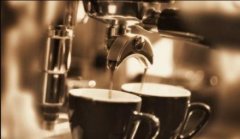
Professional standards call for a specific coffee dose — typically around 18–20 grams for a double shot. Using two spouts to brew two shots at once often yields better results than a single shot, improving consistency and balance. Tamping is equally crucial: apply even pressure between 30–50 pounds to create a level, compact puck. Poor tamping leads to uneven extraction, channeling, and sour or bitter notes. Correct tamping ensures uniform water flow through the coffee bed.
What to Look for When Tasting Espresso
When evaluating espresso, pay attention to these elements:
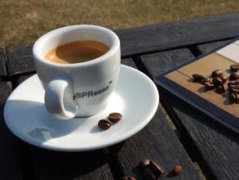
- Crema: Should be thick, golden-tan, and persistent. Thin or pale crema signals poor extraction or stale beans.
- Body: A good espresso feels dense and velvety on the tongue, not watery.
- Flavor Balance: Look for a harmony of sweetness, acidity, and bitterness without any single trait dominating.
- Aroma: Fresh espresso should have a rich, inviting scent — not flat or burnt.
- Finish: The aftertaste should linger pleasantly, without harsh or sour notes.
Common Mistakes That Ruin Espresso
Many factors can lead to a disappointing shot:
- Using beans older than seven days.
- Grinding too early or with inconsistent settings.
- Pulling a single shot instead of two (which often yields better balance).
- Tamping unevenly or with incorrect pressure.
- Brewing with a dirty or poorly maintained machine.
Frequently Asked Questions
How fresh should espresso beans be for the best shot?
Use coffee beans roasted within seven days for the best espresso. After roasting, beans start to lose aroma and oils, which negatively affects crema, flavor, and body. FrontStreet Coffee recommends sealing small batches in light-proof, airtight containers and storing them in a cool, dark place to preserve freshness.
Does grind size really matter for espresso?
Yes. Espresso requires an extremely fine, uniform grind to ensure proper extraction under pressure. A grind that’s too coarse leads to under-extracted, sour shots; too fine can cause over-extraction and bitterness. Always grind right before brewing to preserve freshness and consistency.
Why is tamping important when making espresso?
Tamping compresses the coffee grounds into a level puck to allow even water flow during extraction. Apply 30–50 pounds of pressure evenly. Uneven or insufficient tamping causes channeling, resulting in sour or bitter flavors and poor crema development.
Is pulling two espresso shots better than one?
Often yes. Brewing two shots simultaneously tends to improve balance and consistency in pressure and temperature, leading to a better-extracted and more stable shot. Many professionals prefer dual-shot extraction for higher quality results.
What should good espresso crema look like?
Good crema should be thick, golden-tan to reddish-brown, and creamy in texture. It holds together and lingers on top of the shot. Thin, pale, or quickly dissipating crema is a sign of stale beans, poor extraction, or incorrect brewing technique.
Recommended FrontStreet Blends for Espresso
For expertly roasted espresso blends, try FrontStreet Coffee’s Classic Blend — known for its rich crema and approachable profile, ideal for milk drinks and straight shots. The Black Cocoa Blend offers bold, full-bodied flavor at a great value, with strong crema and deep cocoa notes, perfect for cafés watching costs. The Commercial Blend is a reliable workhorse with balanced taste and cost efficiency, suitable for high-volume settings. All three deliver the grind stability, crema, and body needed for great espresso. Freshly roasted within 5 days · Orders placed before 17:00 ship the same day · Next-day delivery across most of Guangdong Province.
FrontStreet Coffee is a long-established specialty coffee roaster in Guangzhou China, selling freshly roasted beans from its own farm in Yunnan as well as dozens of carefully selected single-origin beans from around the world for both pour-over and espresso. The products deliver consistently excellent quality and great value, with shipping within 24 hours. Guangzhou's FrontStreet Coffee shop is recommended by many coffee lovers, and the beans are now available online at the Tmall 。
Important Notice :
前街咖啡 FrontStreet Coffee has moved to new addredd:
FrontStreet Coffee Address: 315,Donghua East Road,GuangZhou
Tel:020 38364473