Latte Coffee Ratio Guide: How Brew Ratio Affects Taste
Ever wondered why your latte sometimes tastes sharp, other times overly milky, and occasionally just right? A reader asked us: if you use the same coffee, grind, and dose, does changing the espresso brew ratio affect how your milk coffee turns out? We tested it. Here’s what we found.
The short answer: Yes. Using a 1:1.5 brew ratio—13 grams of coffee to 20 grams of espresso—delivers the most balanced flavor in both straight espresso and milk drinks like lattes. A 1:1 ratio (13:13g) produces sharper, sweeter shots that mellow nicely with milk, while 1:2 (13:26g) tends to over-extract, leading to bitter, woody notes. For best results, stick with 1:1.5.
What Is a Latte and Why Does Espresso Matter?
A latte is a classic Italian-style milk coffee made with a single or double shot of espresso and steamed milk. The typical ratio is about 1/3 espresso to 2/3 milk, with a small amount of microfoam on top. While the milk softens and rounds out the espresso’s edges, the quality and flavor balance of the espresso itself are what define a great latte.
Many coffee drinkers assume the milk does all the work. But in reality, the espresso base—its strength, sweetness, acidity, and roast character—determines whether your latte tastes bright and balanced or dull and bitter. That’s why experimenting with espresso brew ratios can dramatically shift the final cup profile.
The Experiment: Same Coffee, Three Brew Ratios
To find out how brew ratio affects taste in both espresso and milk drinks, we used the same variables:
- Coffee: FrontStreet Coffee Specialty Blend (Colombia + Brazil)
- Grind size: 1.9 on a Pegasus 900N grinder
- Dose: 13 grams
- Espresso brew method: single-shot, bottomless portafilter
- Cup: 300ml latte glass
- Brew ratios tested: 1:1 (13g coffee → 13g espresso), 1:1.5 (13g → 20g), 1:2 (13g → 26g)
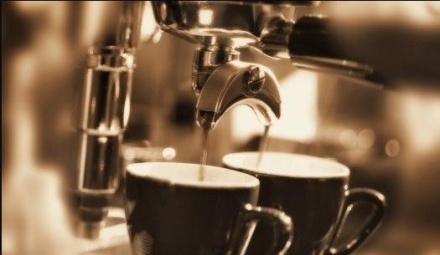
We evaluated each espresso on its own, then used it to make a latte and an americano. Here’s how each ratio performed.
Brew Ratio 1:1 (13g → 13g, 19s)
This shorter extraction yields a very small espresso—essentially a ristretto-style shot. The resulting cup is smooth but leans acidic. Flavors include cream, nuts, and lingering sucrose sweetness.
As Straight Espresso
Taste: Smooth entry, slightly high acidity. Notable for creamy, nutty notes and a sweet, sugary finish.
As a Latte
Taste: Nutty and chocolatey with hints of buttery cookie and clear milk sweetness. The espresso’s acidity is muted by milk, leaving a rounded, sweet profile.
As an Americano
Taste: Caramel aroma with soft, smooth red berry notes. Easy drinking and well-balanced.
Brew Ratio 1:1.5 (13g → 20g, 27s)
This is a standard, balanced shot. Extraction time is moderate, pulling more mid-stage compounds for complexity and sweetness.
As Straight Espresso
Taste: Bright berry acidity in the start, leading into chocolate and hazelnut flavors with a long finish.

As a Latte
Taste: Balanced and well-rounded. Notes of cream, milk chocolate, and light nuts pair smoothly with milk. Neither coffee nor milk dominates.
As an Americano
Taste: Slightly tart berry start, mellowing into a clear sugar sweetness in the finish.
Brew Ratio 1:2 (13g → 26g, 34s)
This longer, larger extraction risks over-extraction. The shot is diluted in flavor despite its volume, and unwanted bitter elements emerge early.
As Straight Espresso
Taste: Sweet and creamy up front, with a clean sugar-like sweetness and a distinct smoky note in the aftertaste.
As a Latte
Taste: Light-bodied but sweet with toffee-like notes. The finish turns woody and spicy (cinnamon-like). Milk doesn’t fully mask the over-extracted qualities.
As an Americano
Taste: Woody and dry on the nose. The cup starts with cocoa and wood tones and finishes bitter.
Why Brew Ratio Changes Everything
Here’s what’s actually happening: Shorter ratios (like 1:1) pull mostly early-extracted compounds—bright acids and soluble solids that haven’t yet turned harsh. That’s why these shots can taste sweet and smooth despite being intense. When diluted with milk, the acidity softens further, leaving a pleasant sweetness.
Longer ratios (like 1:2) extend extraction deep into the coffee bed, pulling out late-stage tannins, woody notes, and bitterness. These compounds become overwhelming, especially noticeable in milk drinks where bitterness lingers.
The 1:1.5 ratio hits the sweet spot: enough complexity and body, without overreaching into unpleasant extraction territory. It gives you balanced sweetness, smooth mouthfeel, and enough intensity to hold its own in a latte—or shine in an americano.
What Espresso Bean Works Best for Lattes?
First rule: don’t use light-roast single-origin beans for espresso. Their delicate, often acidic profiles turn sour or unpleasant under pressure. Instead, use a proper espresso blend—blends combine beans from different regions and roast levels to balance sweetness, body, and crema.
FrontStreet Coffee’s Classic Blend, for example, uses Brazilian and Colombian beans to deliver smooth body and rich crema—ideal for milk drinks. Looking for bold, velvety crema? Try the FrontStreet Classic Blend. Want deep, classic “Mandhela-style” richness? Their Classic Blend delivers that too. Blending lets roasters smooth out weaknesses—for instance, pairing a flat-tasting bean with one that’s too sharp—to achieve balance and consistency, especially important across different harvests.
Blends also help maintain stable flavor year-round, something single origins can’t promise thanks to seasonal crop variation. That’s why good cafés almost always use blends for espresso—especially in milk-based drinks like lattes.
Recommended FrontStreet Coffee Blends for Lattes
For latte lovers, FrontStreet Coffee’s Classic Blend is the go-to: a smooth, well-rounded espresso made from Brazilian and Colombian beans, known for its rich body and excellent crema—perfect for milk drinks. The Black Cocoa Blend offers a bold, affordable option with solid crema and a full-bodied profile, ideal for cafés keeping costs in check. Both blends emphasize balance and texture, ensuring your latte tastes smooth and sweet, not sharp or thin. Freshly roasted within 5 days · Orders placed before 17:00 ship the same day · Next-day delivery across most of Guangdong Province.
FrontStreet Coffee is a long-established specialty coffee roaster in Guangzhou China, selling freshly roasted beans from its own farm in Yunnan as well as dozens of carefully selected single-origin beans from around the world for both pour-over and espresso. The products deliver consistently excellent quality and great value, with shipping within 24 hours. Guangzhou's FrontStreet Coffee shop is recommended by many coffee lovers, and the beans are now available online at the Tmall 。
Important Notice :
前街咖啡 FrontStreet Coffee has moved to new addredd:
FrontStreet Coffee Address: 315,Donghua East Road,GuangZhou
Tel:020 38364473