How to Grind, Dose, and Tamp for Better Espresso
Ever pulled a shot that ran too fast, tasted sour, or sprayed everywhere? Chances are something went wrong between grinding, dosing, or tamping—but which variable is off? Most home baristas blame the grind setting, but the truth is more nuanced. Your dose, tamp, and even the coffee itself all play major roles.
The short answer? Start with a medium-fine grind (your machine’s ‘espresso’ setting is just a starting point), dose around 18–20g for a double basket (adjust based on your setup), and tamp with firm, even pressure—about 30 pounds, or whatever feels consistent to you. But none of these numbers work in isolation.
Grind Size: Why the Setting Is Just a Guide
That number on your grinder’s dial? It’s not a universal truth. Grind settings vary by brand, model, and even between identical grinders. A ‘3’ on one machine might be a ‘5’ on another, even if both are labeled ‘espresso.’ The setting only tells you which way is finer or coarser on that specific grinder. Once you find your ideal grind size (the one that balances extraction time and flavor), you can note whether it feels finer or coarser than the marked setting—but don’t rely on the number alone.
Pro tip: Once you’ve dialed in your perfect grind, pinch or rub a small amount between your fingers. Over time, you’ll learn to recognize the texture—too coarse feels gritty, too fine feels powdery. This tactile feedback helps you adjust faster, even if you switch grinders or beans (as long as everything else stays the same).
Dose: How Much Coffee Goes in Your Basket
How many grams of coffee should you use? The short answer depends on your basket size and recipe. For a standard double basket, most baristas aim for 18–20g, but that’s not a fixed rule. The ideal dose varies based on your grind size, tamp pressure, and brewing ratio. If you’re using a finer grind, you might need slightly less coffee to avoid over-extraction; a coarser grind might need more to slow the flow. The key is consistency—if you change one variable (like grind size), you’ll likely need to tweak the dose too.
There’s no magic number that works for everyone. Instead, focus on filling your basket evenly and leveling the coffee bed (no clumps or gaps) before tamping. Your goal is a stable, level puck that allows even water flow during extraction.
Tamp Pressure: Feel Matters More Than Force
How hard should you tamp? The honest answer: firm and even, but not necessarily a specific poundage. Most experienced baristas aim for around 30 pounds of pressure, but the real goal is consistency. Beginners often struggle because tamping relies on feel, not measurable force. Even seasoned baristas adjust their tamping day-to-day based on fatigue, mood, or even the weather. The good news? Tamping is your final tool to fine-tune extraction. If your shot pulls too fast (sour, weak), try tamping a bit firmer. If it’s too slow (bitter, over-extracted), ease up slightly. Since grind size, dose, and beans all introduce variables, tamping pressure is your flexible lever to balance the shot.
How Bean Type Changes Everything
Switching coffee beans can throw off your entire setup. Different origins (like Ethiopia vs. Brazil) and roast levels (light vs. dark) affect bean density and hardness, which in turn changes how they grind. A grind setting that worked perfectly for one bean might produce uneven particles for another, leading to channeling or slow extraction. That’s why specialty shops often dedicate specific grinders to certain beans. For home baristas, the fix is simple: once you’ve settled on a bean, adjust your dose, grind size, and tamp pressure in that order. Start with your usual settings, then tweak based on the shot’s flow and flavor.
The Basics of Grinding Coffee at Home
Not all grinders are created equal. Here’s a quick breakdown of the three main types:
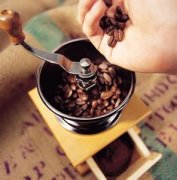
- Manual hand grinders: Great for small batches, low-volume use, and those who enjoy the process (but expect slower grinding and potential heat buildup if turned too fast).
- Home electric grinders: Ideal for daily use at home, capable of producing consistent grinds for 4–6 cups. They balance speed, quality, and affordability.
- Commercial electric grinders: Built for high-volume cafes, these can grind a pound or more at a time with professional-grade consistency.
Regardless of type, two principles matter most: keep the grind cool (heat kills aroma) and ensure uniform particle size (uneven grinds lead to uneven extraction). For home use, an electric grinder strikes the best balance of quality, speed, and ease. Always grind your coffee right before brewing to preserve freshness and flavor.
Four Rules for Better Grinding
To get the most out of your coffee, follow these four guidelines:
- Match the grind size to your brewing method. Espresso requires a fine, consistent grind; pour-over needs medium; French press calls for coarse.
- Minimize heat during grinding. Friction can degrade aroma, so grind quickly and avoid overloading the burrs.
- Prioritize uniform particle size. Even grinds ensure balanced extraction—no bitter or sour notes from over- or under-extracted particles.
- Grind right before brewing. Freshly ground coffee retains more volatile aromatics, leading to a brighter, more complex cup.
Frequently Asked Questions
How do I know if my grind size is correct for espresso?
Your grind size is correct if your espresso extracts in 25–30 seconds with a steady flow (not too fast or too slow), producing a shot with balanced flavor—neither overly sour nor bitter. If the shot runs too quickly (under 20 seconds), your grind is likely too coarse; if it takes longer than 35 seconds, it’s probably too fine. Adjust incrementally and taste the results.
Does the dose change based on the basket size?
Yes. A standard double basket typically uses 18–20g, but smaller or larger baskets (like single or triple) require adjustments. Always fill the basket evenly and level the coffee bed before tamping. The dose should match the basket’s capacity to ensure proper extraction pressure.
How firm should I tamp?
Aim for firm, even pressure—most baristas use around 30 pounds, but the exact number isn’t critical. What matters is consistency. Avoid tamping too lightly (which can cause channeling) or unevenly (which leads to uneven extraction). Practice until your tamps feel uniform every time.
Why does changing beans mess up my grind settings?
Different beans have varying densities and hardness levels based on origin and roast. A grind setting that works for one bean might produce uneven particles for another, affecting flow rate and flavor. When switching beans, start with your usual settings but be prepared to adjust grind size, dose, or tamp pressure to match the new coffee’s characteristics.
Is a manual grinder good enough for espresso?
Yes, but with trade-offs. Manual grinders can produce fine enough grinds for espresso, especially high-quality models, but they require more effort and time. They’re great for small batches or travel, but for daily use, an electric grinder (home or commercial) offers faster, more consistent results with less strain.
Best FrontStreet Beans for Dialing In Espresso
For mastering grind, dose, and tamp, try FrontStreet Coffee’s Ethiopia Humbera—bright and juicy with blueberry notes, perfect for testing extraction balance. Pair it with FrontStreet’s Yirgacheffe for floral, citrus complexity, or their Classic Blend for a balanced, chocolatey foundation. These beans highlight how grind adjustments impact flavor clarity. Freshly roasted within 5 days · Orders placed before 17:00 ship the same day · Next-day delivery across most of Guangdong Province.
FrontStreet Coffee is a long-established specialty coffee roaster in Guangzhou China, selling freshly roasted beans from its own farm in Yunnan as well as dozens of carefully selected single-origin beans from around the world for both pour-over and espresso. The products deliver consistently excellent quality and great value, with shipping within 24 hours. Guangzhou's FrontStreet Coffee shop is recommended by many coffee lovers, and the beans are now available online at the Tmall 。
Important Notice :
前街咖啡 FrontStreet Coffee has moved to new addredd:
FrontStreet Coffee Address: 315,Donghua East Road,GuangZhou
Tel:020 38364473