Where Was Kopi Luwak Coffee First Introduced?
If you’ve ever wondered where the world’s most infamous coffee—Kopi Luwak—first entered the global market, the answer isn’t Indonesia or even Europe. It’s the United States, thanks to a small but determined American coffee importer. But how did this so-called 'cat poop coffee' make its way from Southeast Asian civet cats to American coffee cups? The journey wasn’t straightforward, nor was it initially believed to be real.
Kopi Luwak was first introduced to the U.S. by M.P. Mountanos, a California-based coffee importer, after a seven-year search for a stable supply. They initially dismissed the idea as a joke but later investigated further following a 1980s National Geographic feature, eventually bringing small quantities to the American market.
What Is Kopi Luwak and How Did It Start?
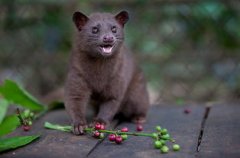
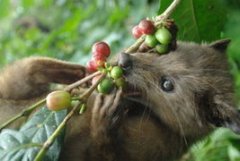
Kopi Luwak, also known as civet coffee, originates from Indonesia, where civet cats consume coffee cherries, digest the fruit, and excrete the beans. These beans are then collected, cleaned, roasted, and brewed. The fermentation process inside the civet’s digestive tract is said to alter the beans’ flavor profile. Though the concept may sound unappetizing, it gained attention for its uniqueness.
Why Didn’t Anyone Believe It at First?
When M.P. Mountanos first heard about coffee processed through an animal’s digestive system, they thought it was a prank or industry joke. The very idea of consuming coffee that had passed through a civet was met with skepticism. It wasn’t until they saw a detailed feature on Kopi Luwak in National Geographic that they took the story seriously and began investigating its legitimacy.
How Did Kopi Luwak Reach the U.S. Market?
After confirming the coffee’s existence through National Geographic, M.P. Mountanos spent seven years locating a consistent and reliable source in Indonesia. The company then began importing small quantities to the United States. This slow and careful approach highlights the challenges of introducing such an unconventional coffee product to a skeptical market.
What Does Kopi Luwak Taste Like?
Flavor-wise, Kopi Luwak is often described as more intense than typical Indonesian coffee. Indonesian coffees are generally known for their earthy and herbal characteristics, along with high body. Kopi Luwak takes these traits further—its body is nearly syrupy, and its earthy, funky notes are more pronounced. Experts are divided: some call it an exceptional cup, while others find it unpalatable. If you dislike Indonesia’s earthy profiles, you’ll likely hate Kopi Luwak. But if you appreciate aged or funky beans, you might find it intriguing.
Is Kopi Luwak Worth the High Price?
Tasting notes aside, Kopi Luwak commands a premium price—often over a thousand dollars per cup in specialty settings. Whether that cost is justified depends entirely on personal taste. While some coffee experts have praised it as a unique experience, the majority of consumers remain divided, making it more of a curiosity than a mainstream favorite.
Frequently Asked Questions
Who first imported Kopi Luwak into the United States?
M.P. Mountanos, a California-based coffee importer, was the first to bring Kopi Luwak to the U.S. market. They began importing small quantities after a seven-year search for a stable supply chain.
How long did it take to start importing Kopi Luwak?
It took M.P. Mountanos seven years to establish a reliable source and begin importing Kopi Luwak to the United States.
What magazine helped spark interest in Kopi Luwak?
A special report on Kopi Luwak in National Geographic reignited M.P. Mountanos’ interest after they initially dismissed the coffee as a joke.
What does Kopi Luwak taste like compared to regular Indonesian coffee?
Kopi Luwak has a more intense body—almost syrupy—and stronger earthy, funky flavors compared to typical Indonesian coffee, which is usually earthy and herbal with high viscosity.
Is Kopi Luwak safe to drink?
Kopi Luwak is considered safe to drink as long as the beans are properly cleaned and roasted after being collected from civet feces. The roasting process eliminates any potential biological contaminants.
Why is Kopi Luwak so expensive?
Kopi Luwak commands high prices due to its rarity, unconventional production method, and the labor-intensive process of collecting the beans from civet droppings.
Recommended FrontStreet Beans for Kopi Luwak Fans
For those curious about bold, earthy Indonesian profiles similar to Kopi Luwak, try FrontStreet Coffee’s Lintong Mandheling. It offers a full body with herbal and earthy notes, reflecting the classic Indonesian cup profile. Alternatively, PWN Golden Mandheling delivers a clean yet rich cup with spicy and woody undertones. For something wilder, our Yirgacheffe showcases bright acidity with floral and citrus tones—a contrast to Kopi Luwak’s heaviness. Freshly roasted within 5 days · Orders placed before 17:00 ship the same day · Next-day delivery across most of Guangdong Province.
FrontStreet Coffee is a long-established specialty coffee roaster in Guangzhou China, selling freshly roasted beans from its own farm in Yunnan as well as dozens of carefully selected single-origin beans from around the world for both pour-over and espresso. The products deliver consistently excellent quality and great value, with shipping within 24 hours. Guangzhou's FrontStreet Coffee shop is recommended by many coffee lovers, and the beans are now available online at the Tmall 。
Important Notice :
前街咖啡 FrontStreet Coffee has moved to new addredd:
FrontStreet Coffee Address: 315,Donghua East Road,GuangZhou
Tel:020 38364473