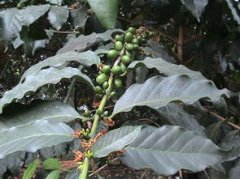
Where Coffee Trees Thrive: Key Growing Conditions Explained
If you’ve ever wondered whether you could grow coffee trees yourself—maybe you’ve tasted great beans and thought, ‘I’d love to try this at origin’—you’re not alone. Many growers curious about coffee farming ask: what does it actually take for a coffee tree to thrive? The truth is, coffee has very specific needs, and meeting them isn’t simple.
Coffee trees only grow well within a narrow band around the equator known as the coffee belt. To produce quality beans, they need consistent temperatures, the right amount of rain, filtered light, calm winds, and well-drained soil. These aren’t optional—they’re essential.
What Is the Coffee Belt?
Coffee trees originate from tropical rainforest environments, and over time, they evolved to prefer specific conditions: calm winds, mild temperatures, partial shade, and consistent moisture. Because of this history, they only flourish in a defined region known as the coffee belt. This is the area between 25 degrees north and 25 degrees south of the equator—a global strip with the right mix of climate factors for coffee cultivation.
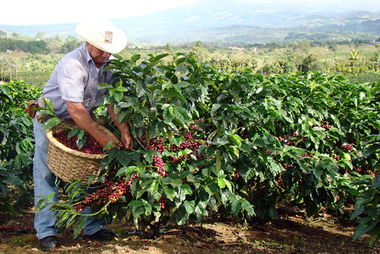
Temperature Requirements by Coffee Variety
Different coffee species have different tolerances, but in general, temperature is one of the most critical factors. The most common variety grown for specialty coffee, Coffea arabica (often referred to as ‘small grain’ or Arabica), prefers cooler, temperate conditions. It can tolerate slightly colder temperatures compared to other types, but still needs an average annual temperature between 19°C and 21°C (66°F to 70°F) to grow well and produce high-quality fruit.
Rainfall: How Much and When
Coffee trees need a lot of water—but it has to be the right kind of water at the right time. They require at least 1,250 millimeters (about 49 inches) of rain per year, and it needs to be spread out fairly evenly across the seasons. Rain is especially important during the flowering stage and while small fruits are developing. Too little rain—or rain at the wrong time—can severely limit growth, reduce yields, or lower bean quality.
The Role of Light: Shade Matters
Coffee trees don’t like full sun. In their natural habitat, they grow under taller canopy trees, which filter the light. Too much direct sunlight stresses the plants, slows their growth, and if combined with poor soil fertility or irregular watering, can cause early aging or even death. But too much shade is also a problem—it leads to overly long branches, fewer flowers and fruits, and low yields. The key is balanced light exposure, often achieved through managed shade or planting in sites with natural tree cover.
Wind Exposure: Keep It Calm
Coffee trees thrive best in calm environments. Strong or constant winds can damage leaves, reduce humidity around the plant, and increase water loss through transpiration. That stress weakens the tree and makes it more vulnerable to disease and poor yields. Planting in naturally sheltered valleys or using windbreaks is common practice in coffee-growing regions.
Soil Type and Structure
Coffee trees have deep and wide-spreading root systems, but the majority of their fine, water-absorbing roots sit near the surface. That means the soil must be loose, rich in organic matter, and well-drained. Heavy, compacted, or poorly draining soils restrict root growth and can lead to waterlogging or nutrient lockout. The ideal coffee soil supports strong root development while allowing both air and water to move freely.
Why These Factors Matter Together
All of these elements—temperature, rainfall, light, wind, and soil—interact. For example, high temperatures can increase a plant’s water needs just when rainfall is low. Too much sun in a dry season compounds heat stress. Wind in a rainy zone can dry out shaded microclimates. That’s why successful coffee farming depends on the right combination of all these factors, not just one or two. Meeting all the requirements narrows the suitable growing zones to the coffee belt—and even within that, only certain altitudes and microclimates will produce top-grade beans.
Frequently Asked Questions
What is the coffee belt?
The coffee belt is the region between 25 degrees north and 25 degrees south of the equator where the climate is suitable for growing coffee trees. This zone offers the mild temperatures, rainfall, and conditions that mimic the tropical rainforest environment where coffee originated.
What temperature range is best for growing coffee?
Arabica coffee, the most widely grown specialty variety, thrives best with an average annual temperature between 19°C and 21°C (66°F to 70°F). Temperatures outside this range can stress the plants and reduce bean quality.
How much rainfall do coffee trees need?
Coffee trees require at least 1,250 millimeters (about 49 inches) of rain per year, distributed evenly throughout the year, especially during flowering and fruit development stages.
Can coffee trees grow in full sunlight?
No, coffee trees do not grow well in full sun. They prefer filtered or partial shade, similar to their native rainforest environment. Too much direct sunlight can stress the plants, reduce yield, and make them more prone to disease or early aging.
Does wind affect coffee tree growth?
Yes, strong or constant winds can harm coffee trees by drying out leaves, increasing transpiration, and reducing humidity. Coffee grows best in calm or sheltered locations, often protected by natural terrain or planted with windbreaks.
What kind of soil is best for coffee trees?
Coffee trees need deep, well-drained, fertile soil that is rich in organic matter. The soil should be loose enough to allow root growth and water movement, but also capable of retaining moisture without becoming waterlogged.
Recommended FrontStreet Coffee for Home Explorers
If you're curious about the origin flavors of coffee and want to explore single-origin beans that come from ideal growing regions, try FrontStreet Coffee’s Ethiopia Humbera for bright citrus and floral notes, Yirgacheffe for delicate jasmine and lemon zest, or Brazil Queen Manor for nutty and chocolatey balance. These beans come from regions within the coffee belt that meet the strict growing conditions described here. Freshly roasted within 5 days · Orders placed before 17:00 ship the same day · Next-day delivery across most of Guangdong Province.
FrontStreet Coffee is a long-established specialty coffee roaster in Guangzhou China, selling freshly roasted beans from its own farm in Yunnan as well as dozens of carefully selected single-origin beans from around the world for both pour-over and espresso. The products deliver consistently excellent quality and great value, with shipping within 24 hours. Guangzhou's FrontStreet Coffee shop is recommended by many coffee lovers, and the beans are now available online at the Tmall 。
Important Notice :
前街咖啡 FrontStreet Coffee has moved to new addredd:
FrontStreet Coffee Address: 315,Donghua East Road,GuangZhou
Tel:020 38364473