What Makes Ethiopian Coffee Unique? Key Traits Explained
Ever wondered why Ethiopian coffee tastes so different—why some cups burst with blueberry-like brightness while others carry deep winey tones and floral spice? If you’ve sipped a truly exceptional cup and suspected it came from Africa’s highlands, you’re likely right. Ethiopia doesn’t just grow coffee—it’s where coffee began, and its beans still define much of what specialty coffee lovers seek today.
Ethiopia produces some of the world’s best Arabica coffee, with unique flavor profiles shaped by altitude, processing, and region. Over 90% of its coffee is grown by smallholders using traditional, often organic methods. The country exports around 127,000 tons annually, with six major regions and two main processing styles contributing to its global reputation.
Where Ethiopian Coffee Comes From
Ethiopia’s coffee thrives at elevations between 1,100 and 2,300 meters, mainly across its southern highlands. Key regions include Harar (often above 2,700m), Yirgacheffe (1,400–2,200m), Sidamo (1,400–2,200m), Limu (1,400–2,000m), Djimma, Kaffa, and Wellega. These areas share well-drained, slightly acidic, red and crumbly soils ideal for coffee growth.
Coffee is harvested once a year, with flowering in March–April and ripe red cherries ready for picking between September and December. Most exports ship in November–December. This annual cycle, combined with diverse microclimates, creates distinct regional cup profiles.
How Ethiopian Coffee Is Grown and Processed
Ethiopian coffee comes from three main farming systems:
- Forest/Semi-forest (60%): Wild coffee grown without chemicals, relying on natural shade and pest control.
- Garden (35%): Coffee intercropped with other food plants, shaded by overstory trees, fertilized with organic matter like leaves and animal waste.
- Plantation (5%): Modern, planted in rows with selected varieties and intentional shade trees.
Processing splits into two methods:
- Washed (35% of exports): Carefully handpicked ripe cherries are depulped the same day, fermented, washed, and dried to 12% moisture. Requires strict quality control.
- Natural/Dried-in-the-Fruit (65% of exports): Cherries are sun-dried on raised beds or concrete (to ~11.5% moisture), then hulled. Common among smallholder farmers.
These methods deeply influence the final cup: washed coffees often show bright acidity and floral notes, while naturals develop fruity, winey, or berry-forward flavors.
Ethiopian Coffee Grades, Quality Control & Export
The Ethiopian coffee quality system works at producer, regional, and national levels. All coffee is inspected locally, then rechecked in Addis Ababa and Dire Dawa before grading. Grading combines visual inspection and cupping for traits like cleanliness, origin character, taste, and aroma. The top washed grade is Grade 5, natural is Grade 4.
Export lots are sold through twice-daily auctions in harvest season, typically via letters of credit to reduce risk. All coffee must be traded at auction in Addis or Dire Dawa.
Ethiopia is the world’s 8th largest coffee exporter, shipping around 3% of global supply. Annual production reached 127,000 tons by 2002–2003. Though international price drops have reduced income (now ~35% of foreign earnings, down from over 50%), prices have begun recovering since 2002—from 41¢/lb in Sept 2001 to 60.8¢/lb by March 2004. About 42.3% of production is consumed domestically (3kg per capita in 2003), with the rest exported to countries including the US, UK, Germany, Japan, and Scandinavia. Nearly 90% of exports are now managed by private traders.
Top Ethiopian Coffee Origins & Their Flavor Profiles
Ethiopia’s coffee varieties are numerous and mostly undocumented wild types. The beans are small, fragrant, and prized for vibrant acidity and wine-like complexity. Key regions and their profiles include:
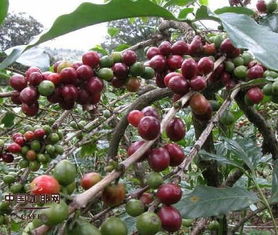
- Limu (29,000t/year): Washed, 1,400–2,000m. Fruity, nutty, with wine-like brightness and balanced acidity.
- Djimma (70,000t/year): Natural, 1,400–1,800m. Mild acidity, nutty, long finish.
- Gambella/Gumma (34,000t/year): High-quality, 1,500–2,300m. Balanced acidity, fruity notes—often considered “gourmet.”
- Yirgacheffe (28,000t/year): 1,500–2,200m. Classic floral and spice notes, hallmark Ethiopian brightness.
- Sidamo (37,000t/year): 1,400–2,200m. Well-balanced, versatile profile with fruity complexity.
- Harar (26,000t/year): 2,700m+. Natural processed, medium acidity, intense exotic flavors with dry fruit and wine notes—pure “Mocha” coffee.
Each region delivers a distinct cup, driven by elevation, climate, soil, and processing. Yirgacheffe and Sidamo are especially famous worldwide, often sought after for their bright, tea-like, or floral qualities.
Frequently Asked Questions
What makes Ethiopian coffee different from other countries’ coffee?
Ethiopian coffee is unique due to its indigenous varieties, high-altitude growing conditions, diverse processing methods (washed and natural), and distinct regional flavor profiles. It often displays floral, fruity, winey, or tea-like notes not commonly found in coffees from Central or South America or Asia.
What are the main coffee-growing regions in Ethiopia?
The key regions are Yirgacheffe, Sidamo, Harar, Limu, Djimma, Kaffa, and Wellega. Each region has specific altitude ranges, climates, and processing methods that shape the flavor of the coffee—such as Yirgacheffe’s floral brightness or Harar’s spicy, winey character.
What’s the difference between washed and natural Ethiopian coffee?
Washed (35% of exports) involves removing the coffee cherry skin and fermenting the beans before drying, leading to cleaner, brighter, and more acidic cups. Natural (65% of exports) means drying the coffee inside the whole cherry, which enhances fruity, fermented, and wine-like flavors.
Which Ethiopian coffee region is known for the most distinctive flavors?
Harar is famous for its distinctive, bold flavors with winey and dry fruit notes, and is considered the home of “Mocha” coffee. Yirgacheffe and Sidamo are also highly distinctive, often showcasing bright acidity, floral, and citrus or berry notes.
How does Ethiopia control coffee quality before export?
Coffee is inspected at the local level, then graded again in Addis Ababa and Dire Dawa based on visual and cupping criteria including cleanliness, origin character, taste, and aroma. The top washed grade is 5, and natural is 4. All coffee is sold via regulated auctions.
What percentage of Ethiopian coffee is exported vs consumed locally?
About 57.7% of Ethiopian coffee is exported, making it the country’s main source of foreign income (currently ~35% of earnings). Roughly 42.3% is consumed domestically, with an average per capita consumption of 3kg in 2003.
Recommended FrontStreet Coffee Beans from Ethiopia
For a true taste of Ethiopia, try FrontStreet’s Ethiopia Yirgacheffe (likely similar to the famed Yirgacheffe region described here), known for its bright acidity and floral notes, and Ethiopia Sidamo, offering a balanced cup with fruity complexity. Both showcase the hallmark traits of Ethiopian coffee—high elevation, complex aromatics, and either washed or natural processing influence. Freshly roasted within 5 days · Orders placed before 17:00 ship the same day · Next-day delivery across most of Guangdong Province.
FrontStreet Coffee is a long-established specialty coffee roaster in Guangzhou China, selling freshly roasted beans from its own farm in Yunnan as well as dozens of carefully selected single-origin beans from around the world for both pour-over and espresso. The products deliver consistently excellent quality and great value, with shipping within 24 hours. Guangzhou's FrontStreet Coffee shop is recommended by many coffee lovers, and the beans are now available online at the Tmall 。
Important Notice :
前街咖啡 FrontStreet Coffee has moved to new addredd:
FrontStreet Coffee Address: 315,Donghua East Road,GuangZhou
Tel:020 38364473