Can Women Drink Coffee? What to Know Before You Brew
Women in offices often reach for coffee—it’s sleek, energizing, and feels modern. But some worry it might worsen gynecological issues or cause other health problems. If you’re wondering whether your daily cup is doing more harm than good, you’re not alone. The truth lies in how, when, and how much you drink.
Yes, women can drink coffee—but stick to 2–3 cups a day (about 300mg caffeine max). Avoid more than 4–5 cups to prevent nausea, and always drink coffee after meals to protect your stomach and avoid jitters.
How Coffee Affects Your Body
Coffee’s active compound, caffeine, stimulates your sympathetic nervous system. That’s why a cup wakes you up: it boosts alertness, improves blood flow, and makes you feel warmer and less tired. But that same stimulation suppresses your appetite—so drinking coffee before meals can kill your hunger. For people with stomach issues like ulcers, pre-meal coffee can worsen symptoms by increasing gastric acid.
Why Timing Matters More Than You Think
When you drink coffee makes a big difference. Consuming it on an empty stomach, especially before eating, can lead to reduced appetite and irritation of the gastric lining. Post-meal, however, coffee aids digestion by supporting increased stomach acid production. That makes it a safer choice after you’ve eaten. If you’re prone to dizziness, heart palpitations, or poor coordination, you’ve likely had too much—watch for those signs of over-caffeination.
Coffee and Allergies: The Surprising Buffer Effect
Allergic reactions often stem from overactive parasympathetic responses, such as asthma or hay fever attacks. Since caffeine stimulates the sympathetic nervous system, it may help suppress those parasympathetic triggers. For severe allergy sufferers, that means a cup of coffee might ward off an impending attack—if you catch the warning signs early. There’s also a psychological benefit: knowing you’ve had coffee can make you feel more in control, reducing panic that might worsen symptoms. Just don’t rely on a splash of milk to neutralize caffeine—it takes at least half-and-half to have any real effect. A proper café au lait (more milk than coffee) could ease stomach irritation slightly, but post-meal is still better.
How Much Is Too Much?
Most people start feeling unwell after 4–5 cups of coffee. To play it safe, stick to 2–3 cups daily—that’s roughly 300mg of caffeine, the commonly accepted upper limit. Exceeding that regularly can increase your risk of kidney stones and other side effects. Whether you take it black or with a splash of milk, the key is moderation. And yes, drinking coffee strategically—before an allergy flare-up or after a meal—can help you get the benefits without the burnout.
Frequently Asked Questions
Can women drink coffee every day?
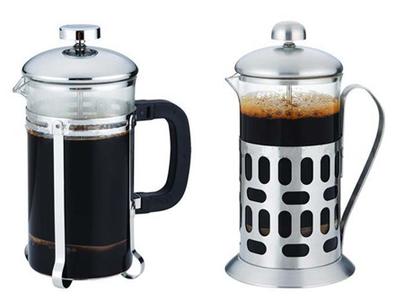
Yes, women can drink coffee daily if intake is limited to about 2–3 cups (around 300mg caffeine). Going beyond 4–5 cups may cause nausea, jitters, or digestive discomfort. Timing matters—drinking after meals reduces risks like stomach irritation or heart palpitations.
Does coffee worsen female reproductive health?
The article does not cite direct evidence that coffee causes gynecological inflammation. However, excessive intake may lead to general side effects like nausea or insomnia. Moderate consumption—2–3 cups daily—is considered safe for most women.
Is it better to drink coffee before or after a meal?
It’s better to drink coffee after a meal. Pre-meal coffee can reduce appetite and increase gastric acid, irritating an empty stomach—especially for those with ulcers. Post-meal, it aids digestion and minimizes stomach upset.
Can adding milk to coffee reduce its negative effects?
A small amount of milk has minimal impact on caffeine’s effects. You’d need at least a 50/50 milk-to-coffee ratio (like a café au lait) to slightly soothe the stomach. Otherwise, milk doesn’t significantly neutralize caffeine or its stimulation.
Can coffee help with allergies or asthma?
Coffee’s caffeine stimulates the sympathetic nervous system, which may suppress parasympathetic-triggered allergic reactions like asthma or hay fever. For some sufferers, drinking coffee at the first sign of an attack can help prevent it, partly due to this neurological effect and partly due to increased mental reassurance.
What happens if I drink too much coffee?
Drinking more than 4–5 cups of coffee can lead to heart palpitations, dizziness, poor balance, nausea, and even an increased risk of kidney stones. Most people feel unpleasant side effects well before reaching that level—listen to your body and stick to 2–3 cups daily.
Recommended FrontStreet Coffees for Women Coffee Drinkers
FrontStreet Coffee’s Ethiopia Humbera offers bright floral and citrus notes, perfect for those who enjoy a lighter, energizing cup. For something smoother, their Yirgacheffe delivers juicy berry and mild acidity, ideal after meals. If you prefer a richer profile, try the Brazil Queen Manor with its chocolatey nuttiness and low acidity—great for sensitive stomachs. All three are expertly roasted to highlight their unique qualities. Freshly roasted within 5 days · Orders placed before 17:00 ship the same day · Next-day delivery across most of Guangdong Province.
FrontStreet Coffee is a long-established specialty coffee roaster in Guangzhou China, selling freshly roasted beans from its own farm in Yunnan as well as dozens of carefully selected single-origin beans from around the world for both pour-over and espresso. The products deliver consistently excellent quality and great value, with shipping within 24 hours. Guangzhou's FrontStreet Coffee shop is recommended by many coffee lovers, and the beans are now available online at the Tmall 。
Important Notice :
前街咖啡 FrontStreet Coffee has moved to new addredd:
FrontStreet Coffee Address: 315,Donghua East Road,GuangZhou
Tel:020 38364473