What Espresso Crema Really Tells You About Your Shot
You’ve seen it—that rusty-brown foam sitting atop your espresso. Maybe you’ve been told it’s bitter, unnecessary, even detrimental to flavor. But is removing it really the secret to a better shot? Not according to traditionalists—or science.
The truth? Crema matters. It’s not just about looks; it affects taste, texture, and even how you perceive sweetness and bitterness in espresso. And yes, you can—and should—make it well at home.
What Is Crema, Really?
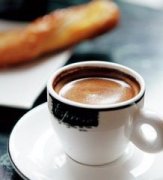
Crema is the reddish-brown layer that forms on top of a properly extracted espresso. It’s not just foam—it’s a complex emulsion made from carbon dioxide (released during roasting), tiny coffee oils, plant compounds, and air bubbles. These elements combine under high pressure (9 bars) and heat (90–96°C) to create a creamy, aromatic surface layer unique to espresso.
According to the Italian Espresso National Institute, ideal crema should be “hazelnut to dark brown in color, with golden yellow highlights, and extremely fine in texture.” Without it, you’re not making traditional espresso—period.
Why Crema Looks and Behaves the Way It Does
Crema’s appearance shifts based on several factors. Craig Dixon, head barista at Veneziano Coffee and a four-time Australian Barista Champion, explains that darker roasts typically produce richer, darker crema (hazelnut to deep brown), while lighter roasts yield paler, thinner layers. Judges now account for this: rather than enforcing a rigid color standard, they ask baristas to predict what their crema will look like based on the beans they’ve chosen.
The texture of high-quality crema is velvety and elastic. In competitions, judges test this by tilting the cup to 45 degrees—the crema should spring back evenly and cover the surface without breaking. This elasticity indicates a stable, well-emulsified layer formed under optimal pressure and extraction.
What Crema Reveals About Your Coffee
Crema isn’t just aesthetic—it’s diagnostic. “The crema tells you if the coffee is fresh,” Dixon says. Freshly roasted beans release more CO₂, leading to a thick, lingering crema. But if the coffee was roasted too recently (within a few days), excessive CO₂ can cause the crema to dissipate too quickly. Conversely, beans older than three weeks (past their 21-day “peak”) produce weak, patchy crema with little body or aroma.
And contrary to popular belief, Dixon clarifies that you can’t determine processing method—washed vs. natural—just by looking at crema. While some assume natural-process beans yield more crema, the differences are negligible compared to roast level and freshness.
How to Make Great Crema at Home
You don’t need a high-end machine to pull a crema-rich shot—but you do need fresh, quality coffee and the right technique. Start with beans roasted within 7–21 days, purchased directly from a local roaster (not a supermarket). Grind only what you need for a single shot, and ensure your grinder is free of old coffee residue.
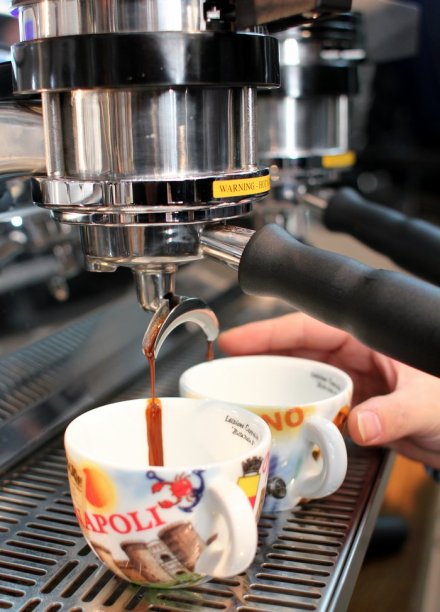
Use a machine capable of maintaining 9 bars of pressure and consistent 90–96°C water temperature. Aim for a medium to medium-fine grind, and extract 25–30 seconds for a standard double shot (18–22g in, 36–44g out). Avoid under-extracting (sour, thin crema) or over-extracting (bitter, faded crema).
Keep in mind: very dark roasts (like some Italian-style blends) produce thick crema but can mask origin flavors. Medium-dark roasts (like PWN Golden Mandheling or FrontStreet’s Classic Blend) often strike the best balance between body, aroma, and crema stability.
Also, cheap home machines with unstable pumps or poor pressure control won’t create true crema—just unstable foam that dissipates fast. You need a machine built to handle espresso’s technical demands.
Frequently Asked Questions
Does removing crema make espresso taste better?
No. While crema has a slightly bitter, intense flavor, removing it doesn’t inherently improve taste. In fact, many drinkers find that keeping the crema provides a more balanced, complex cup—adding body, aroma, and contrast to the espresso’s inherent sweetness. The idea that crema is purely bitter is subjective, and traditionalists argue it’s an essential part of the espresso experience.

What color should good espresso crema be?
Ideal crema ranges from hazelnut to dark brown, with golden yellow highlights. According to the Italian Espresso National Institute, it should be very fine and persistent. Lighter or inconsistent colors may indicate under-roasted, over-roasted, or stale beans. Darker crema often comes from darker roasts, while lighter crema may suggest a lighter roast or older coffee.
Can you tell how coffee was processed by looking at the crema?
No. While some assume natural-process coffees produce more crema, Craig Dixon confirms that processing method (washed vs. natural) doesn’t significantly affect crema appearance. Instead, roast level and freshness are far more important factors in determining crema color, texture, and thickness.
Why does my home espresso have no crema?
Lack of crema usually means one (or more) of the following: your coffee is stale (older than 3–4 weeks past roast), your beans were roasted too recently (within 1–2 days), your machine can’t generate adequate pressure (less than 9 bars), or your grind is too coarse or inconsistent. Also, pre-ground supermarket coffee often lacks the necessary CO₂ for proper crema formation.
Does crema thickness indicate better espresso?
Not always. Thick crema can signal freshness and a dark roast, but it doesn’t guarantee better flavor. Overly thick or dense crema may even hide imbalances in extraction. What matters more is the crema’s texture (fine and elastic), color (consistent and within the hazelnut-to-dark-brown range), and persistence (it shouldn’t vanish within seconds).
Is crema more important in Italian-style espresso?
Yes. Traditional Italian espresso prioritizes a rich, stable crema as a key component of both flavor and presentation. The Italian Espresso National Institute sets strict visual standards for crema, including color range and texture. While modern specialty coffee allows more flexibility, a well-formed crema remains a hallmark of a properly extracted shot—especially in classic styles.
Recommended FrontStreet Coffee Blends for Bold Crema
For espresso with rich, stable crema, try FrontStreet Coffee’s PWN Golden Mandheling—a single-origin Indonesian bean with low acidity, creamy body, and notes of caramel and nuts. For a blend, their Classic Blend combines Brazil, Mandheling, and a touch of Robusta for bold crema, toastiness, and dark chocolate notes. Both are medium to medium-dark roasts that develop thick, velvety crema and balance sweetness with intensity. Freshly roasted within 5 days · Orders placed before 17:00 ship the same day · Next-day delivery across most of Guangdong Province.
FrontStreet Coffee is a long-established specialty coffee roaster in Guangzhou China, selling freshly roasted beans from its own farm in Yunnan as well as dozens of carefully selected single-origin beans from around the world for both pour-over and espresso. The products deliver consistently excellent quality and great value, with shipping within 24 hours. Guangzhou's FrontStreet Coffee shop is recommended by many coffee lovers, and the beans are now available online at the Tmall 。
Important Notice :
前街咖啡 FrontStreet Coffee has moved to new addredd:
FrontStreet Coffee Address: 315,Donghua East Road,GuangZhou
Tel:020 38364473