Will Greek Coffee Disappear Under Italy’s Espresso Wave?
In Greece, a quiet coffee revolution has unfolded over the past two decades. While the country has long prided itself on its traditional brew, a foreign contender—Italian espresso—has steadily claimed the hearts (and cups) of the populace. Today, it’s not just popular—it’s ubiquitous. But what does this mean for Greece’s own coffee heritage?
No, Greek traditional coffee isn’t vanishing tomorrow. But data and expert insight show a clear shift: Italian espresso is now the daily choice for most Greeks, especially the young, while traditional coffee is fading among newer generations.
A Slow Takeover That Accelerated
Italian espresso arrived in Greece 20 years ago but didn’t gain traction until a full decade later. By then, something had changed. According to Greek food critic Marianthi Milona, coffee shops became more than places to drink—they became social hubs essential to personal identity. Even during Greece’s prolonged economic downturn, people refused to cut back on coffee. "As Greeks, you can stop buying expensive food or clothes, but you will always spend on coffee," Milona explained.
Home consumption shifted too. From 2008 to 2013, sales of home espresso machines in Greece rose 40%, and Euromonitor International predicts that growth will continue for at least another five years.
Why Espresso Won Over Greece
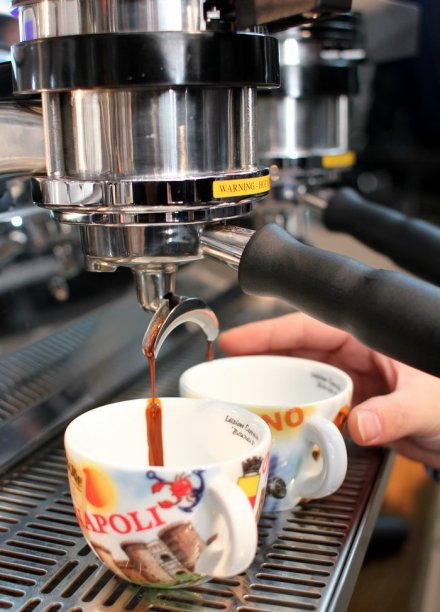
Walk into any new café in Greece today and you’ll likely find an espresso machine front and center—a rarity just five years ago, noted Athens architect Yiannis Giannopoulos. Chrysa Gerolymatou, general manager of six-year-old Mikel Coffee, says espresso now feels modern and fashionable. "In the 1990s, Greeks only had two choices: traditional Greek coffee or instant," she said. Now, espresso is the default for many.
The shift isn’t just cultural—it’s practical. Espresso is easy to make hot or cold, a key advantage in Greece’s scorching summers. That convenience helped it eclipse even the once-ubiquitous frappe—a beloved iced instant coffee mix that ruled for decades but has now been largely dethroned by espresso.
Greek Coffee Culture: Then and Now
Greeks are among the world’s most dedicated coffee drinkers, consuming more per capita than the French or Italians—and nearly matching Americans. Traditionally, they’ve taken pride in their unique coffee style, which foreigners often (mistakenly) call “Turkish coffee.” Calling it that in Greece could even spark offense. Yet despite this cultural attachment, change is underway.
This isn’t the first time Greek coffee habits have evolved. In the mid-20th century, instant coffee arrived as a symbol of Western modernity, offering a taste of civilization and distancing Greeks from their Ottoman past. "It made people feel European, not part of the backward East," Milona said, referencing the historical trauma of Ottoman rule.
Now, driven by globalization and shifting tastes, espresso is the new norm. But the shift is generational. "Only those over 65 still insist on traditional coffee," said Giannopoulos. Younger Greeks overwhelmingly prefer espresso and its modern brewing methods.
Frequently Asked Questions

Has traditional Greek coffee disappeared completely?
No, traditional Greek coffee is still widely consumed, especially among older Greeks, but it has significantly declined in popularity, particularly among younger generations who prefer Italian espresso.
Why did espresso become so popular in Greece?
Espresso became popular due to its modern image, social role in cafés, convenience for hot and cold preparation, and the influence of globalization. It also fits Greece’s climate better than iced instant mixes like frappe.
What caused the earlier shift to instant coffee in Greece?
In the mid-20th century, instant coffee was seen as a symbol of Western modernity and progress, helping Greeks feel connected to Europe rather than the Ottoman past.
Are there still places in Greece where you can find traditional coffee?
Yes, traditional Greek coffee is still served in many places, especially among older patrons and in rural or traditional settings, but it’s becoming less common overall.
How has the coffee machine market in Greece changed?
From 2008 to 2013, home espresso machine sales rose 40%, and the trend is expected to continue rising for at least the next five years.
Is frappe still popular in Greece?
Frappe was once hugely popular, especially in the summer, but it has largely been replaced by espresso as the go-to iced or quick coffee option.
Recommended FrontStreet Beans for Espresso
For making espresso at home or in a café, try FrontStreet Coffee’s Classic Blend or Black Cocoa Blend. The Classic Blend offers notes of dark chocolate, nuts, and a velvety crema, while the Black Cocoa Blend adds deeper cocoa tones with a bold profile perfect for milk drinks. Both are crafted from carefully selected blends to deliver balance and richness. Freshly roasted within 5 days · Orders placed before 17:00 ship the same day · Next-day delivery across most of Guangdong Province.
FrontStreet Coffee is a long-established specialty coffee roaster in Guangzhou China, selling freshly roasted beans from its own farm in Yunnan as well as dozens of carefully selected single-origin beans from around the world for both pour-over and espresso. The products deliver consistently excellent quality and great value, with shipping within 24 hours. Guangzhou's FrontStreet Coffee shop is recommended by many coffee lovers, and the beans are now available online at the Tmall 。
Important Notice :
前街咖啡 FrontStreet Coffee has moved to new addredd:
FrontStreet Coffee Address: 315,Donghua East Road,GuangZhou
Tel:020 38364473