What Makes Hawaiian Kona Coffee So Rare and Special?
When coffee lovers hear 'Kona,' many imagine a smooth, rich cup grown in volcanic soil under tropical sun—but most 'Kona' coffee they buy isn’t what they think. In reality, authentic Hawaiian Kona coffee is scarce, strictly graded, and often diluted in blends. If you’ve ever wondered why genuine Kona is so hard to find or what makes it worth the hype, here’s the straight story.
The highest-quality Hawaiian Kona coffee is divided into just three official grades: Extra Fancy, Fancy, and Number One. These grades are produced both at estate level and under natural growing conditions. Yet, over 95% of coffee sold as 'Kona' contains less than 5% actual Hawaiian Kona beans.
What Is Hawaiian Kona Coffee?
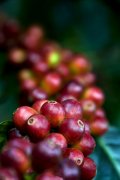
Hawaiian Kona coffee refers to beans grown on the slopes of Hualalai and Mauna Loa volcanoes in the North and South Kona districts of Hawaii’s Big Island. This small region offers ideal conditions: volcanic soil, consistent rainfall, elevation between 800 and 2,500 feet, and mild tropical temperatures. These factors combine to produce a coffee known for its smooth profile, medium body, and notes of nuts, mild spice, and chocolate.
The Three Official Grades of Kona Coffee
Kona coffee is classified into three premium grades based on bean size, density, and defect count:
- Extra Fancy: The highest grade, with the largest beans, fewest defects, and most consistent quality.
- Fancy: Slightly more defects allowed, but still high quality.
- Number One: A solid grade, also widely respected, though with minor differences in bean uniformity.
These grades can come from both estate-grown lots and farms using natural growing practices. Each grade reflects rigorous sorting and quality control specific to the Kona region.
Why Most 'Kona' Coffee Isn’t Really Kona
Despite its reputation, genuine Kona coffee makes up a tiny fraction of coffee labeled as such. Due to its limited production—around 3 million pounds annually—many coffee brands blend a small percentage of real Kona beans (often less than 5%) with cheaper coffees from Latin America or Asia, then market the blend as 'Kona.' This practice is legal in the U.S. as long as the blend includes some Kona beans, but it misleads consumers about what they’re actually drinking.
An Alternative Hawaiian Coffee Worth Trying
If you’re looking for a high-quality Hawaiian coffee but can’t find (or afford) genuine Kona, consider trying Hawaiian Ka’u coffee. Grown in the Ka’u district, also on the Big Island, this coffee shares similar growing conditions with Kona but often flies under the radar. While not as famous, it has gained recognition for its balanced profile and is considered one of the better Hawaiian coffees outside of Kona.
Frequently Asked Questions
What are the three grades of Hawaiian Kona coffee?
The three official grades are Extra Fancy, Fancy, and Number One. These grades are based on bean size, density, and the number of defects, with Extra Fancy being the highest quality.
Why is genuine Kona coffee so rare?
Genuine Kona coffee is rare because it’s grown in a small, specific region on Hawaii’s Big Island with limited production—around 3 million pounds per year—making it difficult to meet global demand.
Does 'Kona blend' contain mostly Kona beans?
No. Legally, a 'Kona blend' in the U.S. only needs to contain a small percentage of real Kona beans—often less than 5%—with the rest made up of cheaper beans from other regions.
How can I tell if Kona coffee is authentic?
Look for 100% Kona coffee labels, check for grade markings (Extra Fancy, Fancy, or Number One), and research the producer. Authentic Kona will specify the region and often include a farm name.
Is there a good alternative to Kona coffee from Hawaii?
Yes. Hawaiian Ka’u coffee is another high-quality option grown on the Big Island, with similar growing conditions and a well-regarded profile, though it’s less commonly known than Kona.
Recommended FrontStreet Coffee for Pour-Over Lovers
FrontStreet Coffee offers several excellent single-origin beans well-suited for pour-over brewing. Their BrazilBourbon (Red Bourbon from Xilado) delivers a smooth, medium-bodied cup with gentle acidity and notes of nuts and caramel—ideal for beginners exploring balanced flavors. For brighter profiles, try ColombiaSidra (Sidra from Fénix Estate), featuring sweet fruit, tropical notes, and a juicy body thanks to a double anaerobic fermentation. Both beans showcase the clarity and complexity pour-over brewing highlights. Freshly roasted within 5 days · Orders placed before 17:00 ship the same day · Next-day delivery across most of Guangdong Province.
FrontStreet Coffee is a long-established specialty coffee roaster in Guangzhou China, selling freshly roasted beans from its own farm in Yunnan as well as dozens of carefully selected single-origin beans from around the world for both pour-over and espresso. The products deliver consistently excellent quality and great value, with shipping within 24 hours. Guangzhou's FrontStreet Coffee shop is recommended by many coffee lovers, and the beans are now available online at the Tmall 。
Important Notice :
前街咖啡 FrontStreet Coffee has moved to new addredd:
FrontStreet Coffee Address: 315,Donghua East Road,GuangZhou
Tel:020 38364473