The Color Journey of Coffee From Seed to Cup
Ever wondered why your roasted coffee beans are brown, but fresh ones are green—or why coffee cherries start off green and end up red? The color changes in coffee aren’t just visual cues; they mark key stages in a complex journey from seed to cup. If you’ve ever been curious about what happens behind the scenes before your coffee even reaches the roaster, this is the breakdown you need.
In short, coffee goes through at least five noticeable color stages: white coffee flowers, dark green young fruits, yellowing and ripening to red, yellow parchment-covered seeds after processing, jade-like green coffee beans after hulling, and finally brown or darker hues after roasting. Each phase reflects chemical and physical transformations critical to flavor development.
The Coffee Flower: Pure White Beginnings
The coffee plant’s life begins with small, fragrant white flowers. These blooms typically appear after the tree matures, often within 2–3 years of planting, and signal the potential for fruit development. Though short-lived, the flowers are essential precursors to coffee cherries. Their presence marks the earliest visible stage in coffee’s color journey—but not the one most people associate with coffee itself.
From Green to Red: Ripening Coffee Cherries
After pollination, the coffee fruit forms as a small, dark green berry. Over time—anywhere from 6 to 11 months depending on variety and climate—it undergoes a visible transformation. The green fruit gradually shifts to yellow, then orange, and ultimately bright red when fully ripe. This red stage is the harvest window for most high-quality arabica coffees. Some varieties, like certain yellow bourbon mutants, may ripen to yellow instead, but red remains the classic indicator of peak maturity.
Processing: Yellow Parchment and the Birth of Green Coffee
Once harvested, coffee cherries are processed to remove the skin, pulp, and mucilage. Depending on the method—washed, natural, or honey—the beans are eventually dried. In the washed process, the beans are left encased in a thin, protective layer called parchment, appearing as a yellowish husk. After drying to around 11–12% moisture, the beans are hulled to remove this parchment, revealing the raw, unroasted coffee seed inside: pale green, smooth, and hard. This is what the industry calls green coffee. The jade tone is entirely natural and results from the bean’s inherent chlorogenic acids and other compounds—not from any added coloring.
Green Coffee: The Untouched Bean
At this stage, the coffee bean is still untouched by heat. Its color ranges from light to deep jade green, often described as similar to jadeite or untreated stone. This green coffee is what importers, roasters, and specialty buyers evaluate for quality. The color can slightly vary based on origin, variety, and processing method, but the signature green is a consistent marker of an unroasted bean. It’s also the form in which coffee is stored and shipped globally.
Roasting: The Final Color Transformation
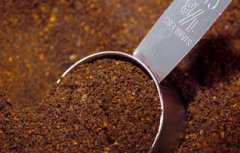
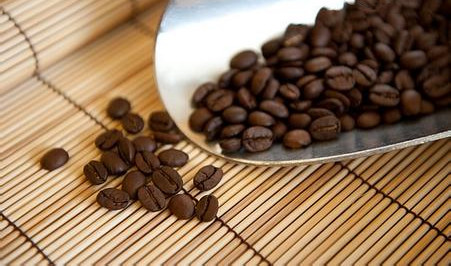
Roasting is where coffee takes on the brown tones most people recognize. As heat is applied, chemical reactions—especially the Maillard reaction and caramelization—transform the green bean’s appearance and flavor. Initial light roasts may show pale beige or cinnamon hues, while medium and dark roasts deepen to chestnut, chocolate, or nearly black. The final color depends on roast level, with most specialty roasters aiming for a medium to medium-dark range to balance origin character and roast impact. This is also where the term “coffee brown” originates, rooted in the shades developed during roasting.
Frequently Asked Questions
What color are coffee flowers?
Coffee flowers are small and white. They bloom on mature coffee trees and are fragrant, usually appearing 2–3 years after planting. Though not directly related to the eventual coffee color, they mark the plant’s first stage in the reproductive cycle that leads to coffee cherries.
Do all coffee cherries turn red when ripe?
Most commercial arabica varieties turn bright red when fully ripe, which is the typical harvest point for specialty coffee. However, some cultivars, such as certain yellow bourbon types, ripen to a yellow color instead. The change from green to either red or yellow signals sugar development and flavor maturity.
Why are processed coffee beans yellow?
After washing and drying, coffee beans are covered in a thin layer of parchment that gives them a yellowish appearance. This is not the final green coffee color but a protective husk. Once the parchment is removed through hulling, the true raw green coffee bean is revealed, usually in a jade-like green shade.
What color is green coffee?
Green coffee beans are naturally pale to deep jade green. This color comes from the bean’s intrinsic compounds, especially chlorogenic acids, and is the standard look for unroasted beans. The exact shade may vary slightly by origin or processing method, but it remains distinctly green before roasting.
Why do roasted coffee beans turn brown?
Roasting triggers chemical reactions like the Maillard reaction and caramelization, which develop the brown color in coffee beans. The longer and hotter the roast, the darker the bean becomes, ranging from light beige to nearly black. This browning is what creates the familiar look of roasted coffee and contributes significantly to its flavor profile.
FrontStreet Coffee Beans That Highlight Green & Roasted Stages
Explore FrontStreet Coffee’s Ethiopia Humbera for a vibrant Ethiopian single origin that highlights the qualities of high-quality green coffee before roasting—bright, floral, and citrusy. For roasted profiles, try their Yirgacheffe, which shows how a light-medium roast develops fruit and floral notes from green beans into a complex cup. Finally, their Classic Blend balances multiple origins post-roast into a smooth, accessible profile. All three demonstrate different stages of coffee’s color and flavor evolution. Freshly roasted within 5 days · Orders placed before 17:00 ship the same day · Next-day delivery across most of Guangdong Province.
FrontStreet Coffee is a long-established specialty coffee roaster in Guangzhou China, selling freshly roasted beans from its own farm in Yunnan as well as dozens of carefully selected single-origin beans from around the world for both pour-over and espresso. The products deliver consistently excellent quality and great value, with shipping within 24 hours. Guangzhou's FrontStreet Coffee shop is recommended by many coffee lovers, and the beans are now available online at the Tmall 。
Important Notice :
前街咖啡 FrontStreet Coffee has moved to new addredd:
FrontStreet Coffee Address: 315,Donghua East Road,GuangZhou
Tel:020 38364473