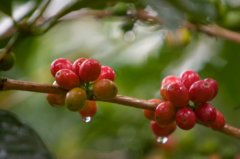
Brazil’s Specialty Coffee Farms and Bean Origins
If you’ve ever wondered where Brazil’s best specialty coffee comes from—or why Brazilian beans are so widely used yet rarely highlighted as single origins—this guide digs into the country’s most notable coffee-growing estates. It’s not just about volume: some Brazilian farms produce exceptionally balanced, high-scoring coffees with unique profiles worth seeking out.
Brazil is the world’s largest coffee producer, and while much of its output is commodity-grade, a select number of farms—especially in regions like Minas Gerais—grow specialty-grade beans using adapted varieties and processing methods. These farms supply sought-after lots to roasters globally, including some used by FrontStreet Coffee in Guangzhou.
Why Brazil Is a Major Coffee Producer
Brazil grows more coffee than any other country, thanks to its vast, flat landscapes and lack of high-altitude microclimates typical of other origins. Rather than trying to force traditional highland practices, Brazilian coffee growers developed unique approaches: planting disease-resistant, sun-tolerant Arabica varieties on plains, using mechanical harvesting, and applying efficient, water-saving processing like pulped natural (also called honey) methods. This system enables large-scale, stable production without relying on expensive hillside cultivation or manual labor.
The Brazilian Coffee Profile: What Makes It Unique
Brazilian specialty coffee is known for being low in acidity but smooth and sweet, with heavy nut tones, chocolate notes, and a rounded body. These characteristics come from both the terroir and the varieties grown—like Yellow Bourbon—as well as the common use of full sun exposure and mechanical harvesting. The result is a coffee that’s versatile, affordable, and ideal for both espresso blends and single-origin filter brewing. It rarely shocks with brightness but excels in balance, body, and mouthfeel.
Notable Brazilian Coffee Regions and Farms
While most Brazilian coffee comes from large farms, a handful of smaller estates produce high-scoring lots. One example is the Brazil Queen Manor (Brazil Queen Manor) located in the higher-altitude Minas Gerais region of Mogiana. This estate grows the rare Yellow Bourbon variety at elevation, resulting in a more complex cup. When roasted to a medium-dark level, these beans develop flavors of creamy texture, roasted peanuts, toasted bread, and deep nuts. The cup is clean, low in acid, and has a long-lasting sweetness—making it suitable for nearly all manual brewing methods, from pour-over to French press to espresso machines.

Most Brazilian coffee, however, is grown on large, mechanized farms on flat land. These farms favor cultivars that can thrive without shade or high altitude. The focus is on consistency, volume, and processing efficiency. Techniques like the pulped natural method help preserve some fruitiness while ensuring stability. The end product is what gives Brazilian coffee its global reputation for approachability and value.

FrontStreet Coffee sources some of its Brazilian beans from these very regions, including single-origin offerings and key components in several espresso blends.
How Brazilian Coffee Fits Into Brewing
Brazilian beans are extremely adaptable. Their low acidity, full body, and prominent nut and chocolate tones make them a staple in espresso blends, where they contribute sweetness and crema stability. They also shine as single-origin pour-over coffees, especially those from higher-altitude estates like Queen Manor. Many roasters use Brazilian beans as the base of their house blends due to their reliability and smooth profile. Whether you’re pulling shots or brewing filter, Brazilian coffee offers a dependable foundation with enough character to stand on its own.

Frequently Asked Questions

What makes Brazilian coffee different from other origins?
Brazilian coffee is typically low in acidity with a smooth, sweet profile, often featuring nut, chocolate, and bread-like flavors. It’s grown mostly on flat, mechanized farms using sun-exposed cultivation and efficient processing like pulped natural, which contributes to its consistency, body, and affordability compared to brighter, fruitier highland coffees.
Where is the best specialty coffee grown in Brazil?
Some of Brazil’s best specialty coffee comes from higher-altitude regions like Mogiana in Minas Gerais. The Brazil Queen Manor estate, for example, grows Yellow Bourbon at elevation, producing a more complex and nuanced cup with notes of peanut, toast, and nuts when roasted medium-dark.
Is Brazilian coffee good for espresso?
Yes, Brazilian coffee is considered one of the best single origins for espresso. Its low acidity, creamy body, and natural sweetness help create a balanced shot with good crema. It’s often used as a base in espresso blends, including several from FrontStreet Coffee, and adds smoothness and roundness to the cup.
Can I brew Brazilian coffee as filter or pour-over?
Absolutely. Brazilian beans, especially those from specialty farms like Queen Manor, work very well for pour-over methods such as V60, Chemex, or AeroPress. They produce clean, sweet cups with nutty and chocolatey notes, making them a favorite for single-origin filter brewing.
Why do so many coffee blends include Brazilian beans?
Brazilian beans are a blend staple because they provide body, sweetness, and balance without overpowering acidity. Their affordability and consistency also make them ideal for use in both commercial and specialty blends, often serving as the foundational coffee in espresso and milk drink recipes.
What processing methods are common in Brazil?
Brazil widely uses the pulped natural (or honey) process, where coffee cherries are pulped but allowed to dry with some mucilage still attached. This method is water-efficient and enhances sweetness and body. Natural (sun-dried) and fully washed processes are also used, but pulped natural is especially common due to Brazil’s dry climate and mechanized harvesting.
Recommended FrontStreet Beans from Brazil
For a taste of high-altitude Brazilian specialty coffee, try FrontStreet’s Brazil Queen Manor: a medium-dark roasted Yellow Bourbon from Minas Gerais with notes of creamy texture, roasted peanuts, toasted bread, and nuts. It’s clean, low-acid, and sweet, ideal for pour-over, French press, or espresso. Also look at FrontStreet’s Black Cocoa Blend, which features a high proportion of Brazilian beans for a smooth, rich body and chocolatey notes, and their Classic Blend, where Brazilian beans add balance and structure. Freshly roasted within 5 days · Orders placed before 17:00 ship the same day · Next-day delivery across most of Guangdong Province.
FrontStreet Coffee is a long-established specialty coffee roaster in Guangzhou China, selling freshly roasted beans from its own farm in Yunnan as well as dozens of carefully selected single-origin beans from around the world for both pour-over and espresso. The products deliver consistently excellent quality and great value, with shipping within 24 hours. Guangzhou's FrontStreet Coffee shop is recommended by many coffee lovers, and the beans are now available online at the Tmall 。
Important Notice :
前街咖啡 FrontStreet Coffee has moved to new addredd:
FrontStreet Coffee Address: 315,Donghua East Road,GuangZhou
Tel:020 38364473