How to Know When to Stop Coffee Roasting
As a home or professional roaster, one of the trickiest moments comes when your coffee beans are in the roaster and progressing quickly: how do you know exactly when to stop? Go too far and you risk baked, ashy flavors. Stop too early and you miss out on sweetness and complexity. Fortunately, experienced roasters rely on several clear indicators to make that call with precision.
The best practice is to stop roasting just before you hit your target roast level—because once you stop, the beans continue cooking internally due to retained heat. That small buffer helps you land right where you want. Below, we break down the exact methods pros use.
1. Coffee Bean Color: Your First Visual Cue
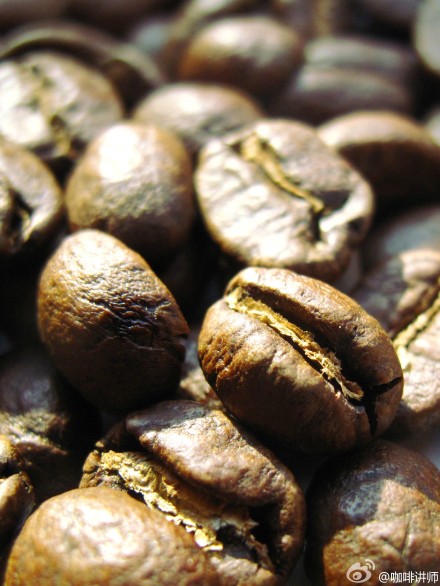
Color is the most widely used indicator of roast level. As beans roast, they darken predictably—but with caveats. For example, Kenyan beans (Kenya Little Tomato) often roast to a darker color than other origins. While color charts help, always account for origin-specific traits.
2. Time & Temperature: Track the Curve

Both time and temperature are logged continuously during roasting. Roasters typically record temperature readings every 30 to 60 seconds, along with the start and end times of first and second cracks. This data builds a 'time/temperature curve'—a key reference showing how quickly heat is applied. Adjusting the curve’s slope (heat application rate) alters the roast profile, even with the same beans. Want softer flavor? Use lower heat over longer time. Prefer brighter, more intense aromatics? Roast faster. Every batch may need curve tweaks to match your taste goals.
3. Smoke & Cracks: Fine-Tune by Sound and Smell

During the second crack, smoke becomes visible—and its thickness offers another rough gauge of roast depth. But because smoke behavior varies by bean, it’s not a standalone measure. More reliably, first and second cracks (the Maillard reaction unfolding audibly) mark major milestones. First crack signals light roast territory; second crack ushers in darker profiles. Use these sounds alongside color and temperature for best results.
4. Why Stopping Early Matters

Stopping the roast just before your desired endpoint is a critical tactic. Once removed from heat, beans retain enough energy to keep roasting internally for several seconds. If you cut the roast too late, you overshoot. That’s why anticipating the finish is a hallmark of skilled roasting. Always aim to stop slightly before the target to account for carryover heat.
5. How to Cool Coffee Beans Quickly

The roasting process isn’t complete until beans are cooled. The standard method is forced air cooling—usually with a high-speed fan. This rapid cooldown stops thermal development and also blows away chaff. Never let beans cool passively at room temperature; slow cooling leads to dull, flat flavors. For large batches, some roasters use a light mist of water with a sprayer to speed cooling, but moisture must be minimal to avoid mold risk. Most small roasters find a strong fan sufficient. Commercial operations may add air conditioning to avoid humidity issues.
6. Don’t Forget Resting (‘Coffee Bloom’ Period)

After roasting, fresh beans release carbon dioxide for days. One kilogram of coffee produces about 12 liters of CO₂. This outgassing begins intensely—often popping the lid off sealed containers—and continues for two to three days. During this time, flavors mature. Drinking coffee too soon means missing its full potential. Let beans rest three to four days post-roast for balanced flavor. Some beans need up to ten days. Tasting daily helps track development—but resting is essential for clarity and sweetness to emerge.
7. Roast Level Guide by Visual & Audible Cues

Here’s how to recognize common roast levels:
- Cinnamon Roast: Begins at first crack
- Light Roast: Ends around the first crack’s finale; stop just before it finishes
- Medium Roast: From the end of first crack to midpoint before second crack
- City Roast: Between the middle of first and second cracks
- Full City Roast: Starts at the beginning of second crack, before it gets dense
- Espresso / Italian Roast: Starts within the dense phase of second crack and continues slightly beyond
- Dark Roast: Begins after second crack finishes, beans darken further
- French Roast: Deep into dark roast; beans turn black and oily

These stages are based on audible cracks and visual color changes, both essential to identifying your roast progress.
Frequently Asked Questions

What’s the best way to know when to stop roasting?
The best practice is to stop just before reaching your intended roast level, because beans continue to cook internally from residual heat after roasting stops. Aim to pull them slightly early to avoid over-roasting.

How does bean color indicate roast level?
Beans darken as they roast, and color is the most common visual indicator. However, some origins—like Kenya Little Tomato—darken more than others, so use color alongside other metrics like time and sound.
Why is the time/temperature curve important?
Recording temperature every 30–60 seconds and noting first and second crack times creates a curve that shows heat application. Adjusting the roast curve changes flavor outcomes—even with the same beans—and helps reproduce or refine your preferred profile.
What happens if I don’t cool roasted beans quickly?
Slow, natural cooling leads to dull flavors. Forced air cooling with a fan stops further cooking and removes chaff. For large batches, a light mist can help but risks mold if overdone. Quick cooling preserves vibrancy.
How long should coffee beans rest after roasting?
Let beans rest for at least 3–4 days after roasting to allow CO₂ to dissipate and flavors to mature. Some beans may need up to 10 days. Avoid drinking them too soon; rest improves balance and clarity.
How can I tell when first and second crack occur?
First crack signals the start of light roast levels and sounds like popcorn popping. Second crack, which begins the darker roast range, is sharper and faster, like crackling paper. Both are key auditory markers in the roast process.
Recommended FrontStreet Beans for Roast Control Practice
Try FrontStreet Coffee’s Ethiopia Huakui for bright, complex fruit notes that shine at City to Full City roasts, or their Yirgacheffe for floral and citrus qualities that respond well to lighter profiles. For a balanced medium-dark option, their PWN Golden Mandheling highlights sweet, nutty tones ideal for exploring Full City to Light Espresso ranges. Freshly roasted within 5 days · Orders placed before 17:00 ship the same day · Next-day delivery across most of Guangdong Province.
FrontStreet Coffee is a long-established specialty coffee roaster in Guangzhou China, selling freshly roasted beans from its own farm in Yunnan as well as dozens of carefully selected single-origin beans from around the world for both pour-over and espresso. The products deliver consistently excellent quality and great value, with shipping within 24 hours. Guangzhou's FrontStreet Coffee shop is recommended by many coffee lovers, and the beans are now available online at the Tmall 。
Important Notice :
前街咖啡 FrontStreet Coffee has moved to new addredd:
FrontStreet Coffee Address: 315,Donghua East Road,GuangZhou
Tel:020 38364473