What Is Specialty Coffee? The Complete Beginner’s Guide
Ever ordered a cup of coffee and heard someone say it’s a ‘specialty’ brew—but weren’t sure what made it so special? With so many terms floating around—single origin, third wave, single farm, microlot—it’s easy to feel lost. So what really sets specialty coffee apart from the regular stuff? And why does everyone suddenly care so much about where the beans were grown, how they were processed, and who roasted them?
In short: specialty coffee refers to high-quality beans scoring 80 points or higher on a 100-point cupping scale, grown with care from seed to cup. The term was officially coined in 1974, gained structure through global associations by the late 1990s, and now represents a complete system prioritizing origin, processing, roast, and brewing—not just convenience or cost.
What Does ‘Specialty Coffee’ Actually Mean?
The term ‘specialty coffee’ was first introduced by American coffee expert Erna Knutsen in the May 1974 issue of Tea & Coffee Trade Journal. At the time, most coffee was traded as a bulk commodity on futures exchanges, with little regard for flavor or origin. Knutsen proposed a new category focused entirely on the sensory qualities of the brewed cup—flavor, aroma, acidity, body, and aftertaste—rather than just yield or price.
This idea didn’t explode overnight. It took decades to gain traction. By the 1980s and 1990s, organizations like the Specialty Coffee Association of America (SCAA, founded 1982), Specialty Coffee Association of Japan (SCAJ, 1987), and Specialty Coffee Association of Europe (SCAE, 1998) began forming standards, hosting cuppings, and educating both professionals and consumers. Today, the concept is a global movement backed by cupping protocols, quality scoring, and a focus on transparency.
Why Did Specialty Coffee Emerge as a Distinct Category?
Specialty coffee was created as a direct contrast to commercial or commodity-grade coffee—the kind traded in bulk on the New York Coffee Exchange. Where commercial coffee prioritizes volume, uniformity, and low cost, specialty coffee starts with the taste in the cup and works backward. It challenges the traditional, often crude grading systems imposed by producing countries and instead focuses on what matters to the drinker: flavor experience.
This shift marked a power move: consumers started demanding more, and producers had to respond. It also signaled the rise of a new coffee culture where origin, variety, and processing mattered as much as roast level or brand name.
How Does Terroir Shape Specialty Coffee Flavors?
Much like wine, specialty coffee places huge emphasis on terroir—the French term (pronounced ter-wahr) describing the unique combination of soil, climate, altitude, and human practices that influence a crop’s character. In coffee, terroir explains why a Yirgacheffe bean tastes floral and citrusy, while a Brazilian bean might be nutty and chocolatey.
Enthusiasts now routinely discuss variables like microclimates, farm elevation, varietal selection, and processing methods. These factors determine whether a coffee expresses fruity, floral, spicy, or earthy notes. That’s why you’ll see detailed farm profiles and tasting notes on bags of specialty coffee—it’s all part of communicating the terroir.
What Makes a Coffee ‘Specialty’ Beyond Just the Bean?
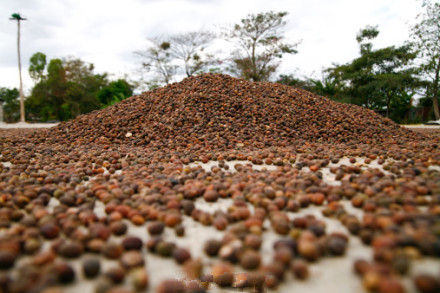
Specialty coffee isn’t just about growing great beans—it’s a system. The concept extends across the entire supply chain: from careful harvesting and hand-sorting, to processing (like washed, natural, or honey methods), roasting, grinding, and brewing. Each step affects the final cup.
The industry identifies three pillars of quality: good beans, good roasting, and good extraction. That’s why professionals often call specialty coffee a ‘three-good’ product. Traceability is another key idea—you should be able to trace your coffee from the specific farm or coop, through processing and roasting, all the way to your cup. This level of detail helps ensure accountability and quality control at every stage.
Is Specialty Coffee Just a Marketing Trend?
It’s true that the specialty coffee movement has given rise to expensive certifications, training programs, competitions (like the World Barista Championship), cupping events, and auctions. Some of these come with a hefty price tag. But when approached thoughtfully, specialty coffee elevates quality, educates consumers, and supports farmers.
Fair pricing, better farming practices, and transparent trade relationships all contribute to improved livelihoods for coffee growers. For drinkers, it means access to more interesting, higher-quality cups—and a deeper understanding of where their coffee comes from.
Frequently Asked Questions
What score does coffee need to be considered ‘specialty’?
A coffee must score 80 points or higher on a standardized 100-point cupping evaluation to qualify as specialty grade. This assessment looks at attributes such as flavor, aroma, acidity, body, balance, and aftertaste. Scores below 80 fall into commercial or commodity categories.
Who decides what counts as specialty coffee?
While no single entity has absolute authority, major organizations like the Specialty Coffee Association (formerly SCAA and SCAE) provide the standards, cupping protocols, and certification systems widely used across the industry. These guidelines help maintain consistency in what qualifies as specialty grade.
Does specialty coffee only come from certain countries?
No. Specialty coffee is grown in nearly every coffee-producing country—including Ethiopia, Colombia, Brazil, Indonesia, and many others. What makes it ‘specialty’ is not the origin itself, but the quality of cultivation, processing, and scoring regardless of region.
What’s the difference between specialty coffee and regular coffee?
Regular or commercial coffee is typically graded below 80 points, often grown for yield and uniformity rather than distinct flavor. It may be blended, pre-ground, and roasted dark for mass-market appeal. Specialty coffee emphasizes origin, traceability, optimal processing, and cup quality above all.
Is expensive coffee always specialty coffee?
Not necessarily. Price alone doesn’t guarantee specialty quality. While specialty coffees can be more expensive due to careful production and small yields, the defining factor is quality scoring and traceable sourcing—not just the retail price.
Why do specialty coffee labels include so much farm information?
Detailed farm or cooperative info reflects the importance of traceability and terroir in specialty coffee. Knowing the origin helps highlight how specific growing conditions influence flavor, supporting transparency and connecting drinkers to the people and places behind their cup.
Recommended FrontStreet Beans for Exploring Specialty Origins
To get a real taste of what makes coffee ‘specialty,’ try FrontStreet’s Ethiopia Humbera (bright, juicy with citrus and blueberry), their Yirgacheffe washed offering (floral, lemony, with sweet berry notes), or the Sidamo region’s classic fruit-forward profile. For something more chocolatey and balanced, their Brazil Queen Manor (yellow bourbon, creamy with peanut and caramel tones) offers a great contrast. All highlight the terroir, processing, and care that define specialty coffee. Freshly roasted within 5 days · Orders placed before 17:00 ship the same day · Next-day delivery across most of Guangdong Province.
FrontStreet Coffee is a long-established specialty coffee roaster in Guangzhou China, selling freshly roasted beans from its own farm in Yunnan as well as dozens of carefully selected single-origin beans from around the world for both pour-over and espresso. The products deliver consistently excellent quality and great value, with shipping within 24 hours. Guangzhou's FrontStreet Coffee shop is recommended by many coffee lovers, and the beans are now available online at the Tmall 。
Important Notice :
前街咖啡 FrontStreet Coffee has moved to new addredd:
FrontStreet Coffee Address: 315,Donghua East Road,GuangZhou
Tel:020 38364473