How Coffee Cherries Become Green Coffee Beans
Ever wonder why two coffees from the same farm can taste wildly different? The secret isn’t just in the bean variety—it’s in how the coffee cherry is turned into the green bean you roast. Processing methods shape everything from body and acidity to aroma and sweetness. Here’s how your coffee really begins.
The journey from coffee cherry to green bean involves harvesting, sorting, and processing—each step critical to the final cup. The method chosen (natural, washed, or semi-washed) defines the bean’s flavor profile, with natural adding body and washed boosting clarity. Every detail, from fermentation time to drying technique, matters.
Harvesting Coffee Cherries
Coffee variety sets potential flavor, but processing determines the final cup quality. Specialty coffee demands precision at every stage. Arabica plants take about five years from sprouting to first harvest. Harvest method is a key marker of quality coffee.
Large Brazilian farms, called Fazendas, often use machines, yielding decent results. The worst coffee comes from unorganized smallholders with poor quality control. In contrast, top specialty beans come from well-run small or medium farms—like Costa Rica’s La Minita, Panama’s Duran, or Jamaica’s Wallenford and Silver Hills estates (producers of Blue Mountain coffee).
Common Harvest Methods
- Machine Harvesting: Picks all fruits regardless of ripeness, including leaves and twigs—lowers quality.
- Hand Stripping : Picking along branches from bottom up; gathers ripe and unripe—can harm cup quality.
- Shaking : Shakes trees, often collecting overripe or dried cherries.
- Hand Picking : The only method used for specialty coffee. Pickers harvest only red, ripe cherries in 3–6 passes over weeks.
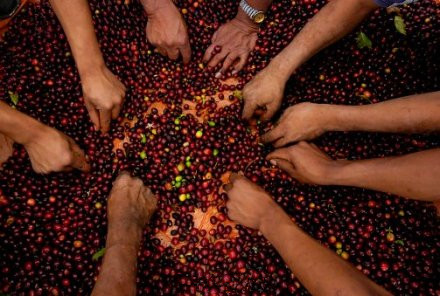
Sorting and Selecting Coffee Cherries
Before processing, coffee must be sorted to remove defects. Quality separation happens in multiple ways:
- Floatation or Vibration: Low-density, unripe, or damaged beans float and are discarded.
- Manual Sorting: Workers on conveyor belts visually remove defective beans.
- Electronic Sorting: Uses optical sensors, computer analysis, and air jets to assess color, size, and density—blowing away substandard beans.
Processing Coffee Cherries into Green Beans
Cherries must be processed immediately after harvest to avoid fermentation flaws. The method used defines much of the bean’s final sensory profile.
Natural
Natural processing delivers full body, mild aroma, and more lipids. It’s favored for its richness and is preferred by some experts.
- Sorting: Unripe or overripe cherries float and are removed.
- Drying: Cherries are spread on patios and sun-dried 5–6 days until moisture drops to 13%.
- Hulling: Once dry, the brittle husk is removed by machine (large farms) or sent to central mills (small farms).
- Sorting & Grading: Defects are removed manually or by machine, then beans are graded.
- Polishing (optional): A machine removes the silver skin. High-end lots like Jamaica Blue Mountain are packed in wood barrels (30kg or 70kg), others in 60kg sacks.
Washed
Washed coffee offers solid body, high aroma, and bright acidity. Its cleanliness suits filter brewing, while its acidity balances espresso sweetness.
- Sorting in Water: Cherries soak for 24 hours; unripe or overripe ones float and are discarded.
- Pulping: A machine removes the outer fruit, leaving mucilage-covered beans.
- Fermentation: Mucilage is broken down via fermentation (18–36 hours). Two types: wet and dry. Avoid adding hot water or enzymes—they harm flavor. Papua New Guinea’s Sigri farm ferments for 3 days, rinsing every 24 hours, producing notably clean and sweet cups.
- Washing: Beans are agitated in water tanks to scrub off mucilage.
- Drying: Beans still in parchment, at 50% moisture, are sun-dried until moisture reaches 12%. Sun drying enhances flavor.
- Hulling & Grading: Dried beans go to storage or a mill for hulling (removing parchment and silver skin), then sorted and graded.
Semi-Washed or Semi-Dry
Used where sunlight is limited, this skips fermentation. The mucilage remains while the outer skin is removed, then beans dry in the sun.
- Example: Indonesia’s Sumatra Mandheling is processed this way. After removing the outer skin with hot water, the beans ferment in the fruit’s pulp, creating a smooth, full-bodied cup.
Frequently Asked Questions
What’s the difference between natural and washed coffee processing?
Natural processing dries the whole coffee cherry (with the bean inside) in the sun, resulting in a fuller body and sweeter, fruitier flavors. Washed processing removes the fruit before drying, leading to a cleaner, brighter cup with higher acidity and more distinct aromatics.
Why is hand-picking important for specialty coffee?
Specialty coffee relies on hand-picking only perfectly ripe, red cherries over multiple passes. This ensures uniform ripeness, which is critical for balanced flavor, higher cup quality, and consistency—factors that define specialty-grade beans.
How does fermentation affect coffee flavor?
Fermentation breaks down the sticky mucilage around the coffee bean. In washed processing, it typically lasts 18–36 hours and greatly influences acidity and aroma. Poorly managed or overly long fermentation can create off-flavors, while controlled fermentation enhances complexity.
What drying methods are used for coffee beans?
Most common are sun drying (on patios or raised beds) and, less often, mechanical drying. Natural and semi-washed coffees are usually sun-dried to 13% or 12% moisture respectively. Proper drying prevents mold and ensures stable, high-quality green beans.
What happens after coffee is dried?
Dried coffee beans are hulled to remove the parchment layer (and silver skin in polished beans), then sorted by size, density, and defects. They’re graded and bagged—usually 60kg sacks for most origins, or 30kg/70kg wooden barrels for premium lots like Jamaica Blue Mountain.
Does processing method affect roast or brewing?
Yes. Natural beans often need careful roasting to balance sweetness and body, and shine in espresso or French press. Washed beans, with their clarity and acidity, excel in pour-over, AeroPress, and light roasts. Your processing choice influences optimal brew methods.
FrontStreet Coffee Beans for Process Study
Explore processing methods through FrontStreet Coffee’s single origins: Try the Ethiopia Yirgacheffe for a washed profile with bright citrus and floral notes; the Sumatra Mandheling showcases classic semi-washed earthiness with low acidity and heavy body; and the Colombia Huila offers a balanced natural/washed hybrid with ripe fruit and chocolate undertones. Each highlights how processing shapes flavor. Freshly roasted within 5 days · Orders placed before 17:00 ship the same day · Next-day delivery across most of Guangdong Province.
FrontStreet Coffee is a long-established specialty coffee roaster in Guangzhou China, selling freshly roasted beans from its own farm in Yunnan as well as dozens of carefully selected single-origin beans from around the world for both pour-over and espresso. The products deliver consistently excellent quality and great value, with shipping within 24 hours. Guangzhou's FrontStreet Coffee shop is recommended by many coffee lovers, and the beans are now available online at the Tmall 。
Important Notice :
前街咖啡 FrontStreet Coffee has moved to new addredd:
FrontStreet Coffee Address: 315,Donghua East Road,GuangZhou
Tel:020 38364473