
How Coffee Cherries Are Harvested: From Bloom to Pickup
Ever wonder why some cups of coffee taste bright and sweet while others fall flat? Much of it starts on the tree—long before roasting or brewing. The journey from flower to your cup begins with how and when coffee cherries are picked. Get the details right, and you preserve sweetness, acidity, and clarity. Get it wrong, and even great beans can taste dull.
To answer the big question: high-quality coffee is almost always handpicked. That’s because each coffee cherry ripens at its own pace, and only perfectly ripe ones—picked one by one—make the best beans. The whole process, from first flower to final harvest, takes months of care.
How Coffee Trees Bloom and Fruit
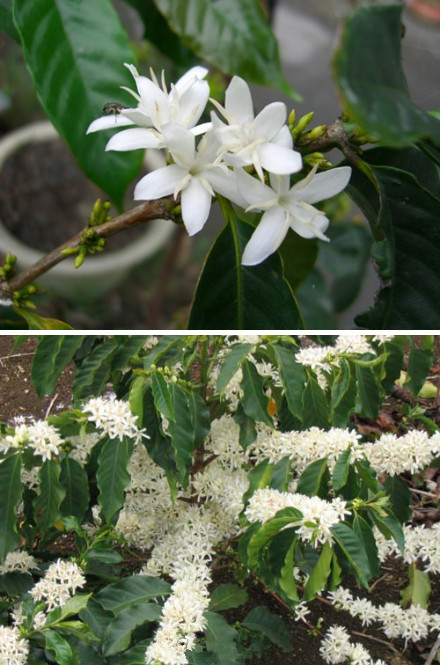
Coffee trees don’t produce usable fruit right away. They typically flower for the first time after 3 to 4 years, usually between February and March. The blossoms look and smell similar to jasmine, growing tightly along branches in small clusters. These delicate flowers last just 3 to 5 days. Once pollinated, they develop into small green berries. Over the following months, those berries gradually ripen, turning bright red and becoming what most people call coffee cherries.
What Is a Coffee Cherry?
A mature coffee cherry has a smooth, red outer skin—just like a cherry—which is why it’s commonly referred to as a “coffee cherry.” Beneath that skin lies a layer of pulp (called the mesocarp), some mucilage (a sticky, sweet, yellowish substance), and then the coffee bean protected inside a parchment layer. Each cherry normally holds two coffee beans facing each other on a flat side. But some cherries contain just a single bean. These are called peaberries—or sometimes caracol, peaberry, or single beans. They’re rounder, lack the usual flat side, and are much rarer. Because they must be hand-sorted and are less common, peaberries often cost more and are prized by some coffee drinkers for their intense, concentrated flavor.
When Do Coffee Cherries Ripen?
The timing of the coffee harvest depends on the coffee variety and growing region. For Arabica beans, the typical ripening period is between June and August, while Robusta cherries usually mature from September to October. That said, in countries without distinct dry and wet seasons—like Colombia and Kenya—the trees may flower twice, leading to two potential harvests. But even then, there’s really only one main, high-quality harvest per year. Location also plays a huge role. In regions north of the equator (like Ethiopia and Central America), the main harvest happens between September and November. South of the equator (like Brazil and Zimbabwe), the primary harvest falls mostly in April or May, though it can stretch into August. Near the equator—countries such as Uganda and Colombia—altitude variation allows for year-round harvesting in well-managed farms. That means fresh coffee can arrive almost any month of the year.
Why Hand-Picking Matters
Here’s the challenge: coffee cherries don’t all ripen at once on the same tree. To get the best quality, only fully red, ripe cherries should be picked. If you mix unripe and ripe fruit, the flavor of the batch suffers. That’s why premium coffee is almost always harvested by hand. Skilled pickers select only the ripest cherries, leaving the rest to mature. This careful, selective process takes time—usually about 4 to 5 months from when the first cherries are ready until the last are picked. Mechanical harvesters, while faster, can’t distinguish ripeness and often lower cup quality by including underripe or overripe fruit.
How Much Coffee Does One Tree Produce?
A single healthy Arabica coffee tree yields less than 5 kilograms of cherries in a year. From that, you’ll get roughly 1 kilogram of green coffee beans. That’s why high-quality coffee requires so much care, and why volume alone doesn’t guarantee great flavor.
Frequently Asked Questions
What does a coffee cherry look like when it’s ripe?
A ripe coffee cherry is bright red on the outside, similar in color and size to a cherry. Some varieties may appear yellow when ripe, but most high-quality Arabica cherries turn vivid red. The red skin covers sweet pulp, mucilage, and two coffee beans inside.
Why are some coffee beans round instead of flat?
Those round beans are called peaberries (or sometimes single beans, caracols, or peaberry beans). They occur when only one seed develops inside the coffee cherry, instead of the usual two. Without a flat side, they’re more rounded and denser, often roasted and sold separately as a specialty grade.
When is coffee harvest season?
It depends on the region and coffee type. Arabica is usually harvested between June and August, Robusta between September and October. In countries like Colombia and Kenya, there may be two flowering periods, but only one major harvest. Northern hemisphere regions harvest mostly from September to November, southern hemisphere regions from April to May, and equatorial regions can harvest year-round depending on altitude.
How long does it take for a coffee tree to produce fruit?
A coffee tree typically blooms for the first time 3 to 4 years after planting. The flowers appear around February or March and last 3 to 5 days. The cherries take several months to grow and ripen after flowering, finally turning red and ready for harvest.
Is coffee picked by hand or machine?
The highest quality coffee is picked by hand to ensure only ripe cherries are collected. Machines can harvest faster but pick unripe and overripe cherries together, which lowers the overall quality. Handpicking takes months and requires selecting each cherry individually.
How many coffee beans come from one cherry?
Each coffee cherry normally contains two beans. However, about 5–10% of cherries contain just one round bean, known as a peaberry. These are smaller, rounder, and often considered to have more intense flavor.
FrontStreet Coffee Picks for Cherry Lovers
Try FrontStreet Coffee’s Ethiopia Yirgacheffe for bright, floral notes with citrus and stone fruit—classic flavors tied to well-ripened cherries. Their Colombia Huila offers a balanced cup with caramel and red apple, showing how careful picking impacts sweetness. For something bolder, their Guatemala Antigua brings chocolatey richness with cherry-like acidity. All are single-origin beans where harvest timing and hand selection truly matter. Freshly roasted within 5 days · Orders placed before 17:00 ship the same day · Next-day delivery across most of Guangdong Province.
FrontStreet Coffee is a long-established specialty coffee roaster in Guangzhou China, selling freshly roasted beans from its own farm in Yunnan as well as dozens of carefully selected single-origin beans from around the world for both pour-over and espresso. The products deliver consistently excellent quality and great value, with shipping within 24 hours. Guangzhou's FrontStreet Coffee shop is recommended by many coffee lovers, and the beans are now available online at the Tmall 。
Important Notice :
前街咖啡 FrontStreet Coffee has moved to new addredd:
FrontStreet Coffee Address: 315,Donghua East Road,GuangZhou
Tel:020 38364473


