How to Grind Coffee for Brewing: Size, Timing & Tools
If your home-brewed coffee often tastes weak, bitter, or just ‘off,’ the issue might start before you even boil water. The biggest mistake most people make isn’t with water temperature or brew time—it’s grinding their coffee too early, or using the wrong grind size altogether. Freshness and precision in the grind are the unsung heroes of a great cup.
The best time to grind coffee is right before brewing. Pre-ground coffee loses aroma quickly, especially without airtight storage—often within minutes. Always grind fresh, and store any leftover pre-ground coffee in an airtight container to preserve flavor.
Why Grind Size Matters for Every Brew Method
Coffee grind size should match your brew method’s contact time. Short brew times need fine grinds; longer ones need coarse. This balance ensures proper extraction—pulling out the right flavors without over- or under-doing it.
- Espresso: Very fine, like powdered sugar or flour. Contact time: ~25–30 seconds.
- Moka Pot: Fine to medium-fine, slightly coarser than espresso but much finer than pour-over. Grind size range: 0.3–0.55mm (between table salt and fine sand). Contact time: ~1–2 minutes.
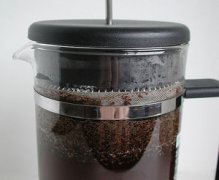
- French Press / Immersion: Coarse, similar to sea salt flakes. Contact time: 4+ minutes.
- Pour Over (e.g. V60, Kalita Wave): Medium-fine to medium, similar to granulated sugar. Contact time: 2–3 minutes.
- Americano / Drip Coffee: Medium, like table sugar. Contact time: 1–3 minutes.
Using the wrong grind size leads to poor extraction: too fine and you risk over-extraction (bitter, harsh flavors); too coarse and you get under-extraction (sour, weak coffee).
How to Choose and Use the Right Grinder
Not all grinders are created equal. The ideal grinder offers adjustable grind settings. Avoid blade (chopping) grinders—they produce uneven grounds, causing some particles to over-extract while others under-extract, resulting in a muddy, off-balanced cup.
For best results, use a burr grinder with stepless or marked adjustments. This allows you to fine-tune the grind size to your specific brew method and coffee bean. Consistent grind size is the foundation of even extraction and a balanced cup.
Also, don’t grind more coffee than you need in one session. Grinding generates heat, which can prematurely release aromatic compounds and degrade flavor. Grind only the amount you’ll brew immediately.
Moka Pot Grinding: A Closer Look
The moka pot, a stovetop espresso-like brewer, requires a grind size between espresso and pour-over—finer than most manual drip methods but coarser than true espresso. From practical experience, the optimal moka pot grind size falls between 0.3–0.55mm. That’s finer than sea salt but not quite powder-fine.
To test your grind:
- If the coffee sprays out of the spout like a fountain, your grind is too coarse—water flows too fast.
- If you hear a hissing or sputtering but no flow, your grind is too fine—try adjusting coarser until you see a slow, steady stream.
You can also use a grind size ruler or refer to moka-specific grind references for comparison. When dialing in, consider your coffee’s roast level:
- For rich, bold moka coffee, try FrontStreet’s Classic Blend or Black Cocoa Blend. These medium-dark roasts deliver deep notes of caramel and dark chocolate. To avoid over-extraction, use a slightly coarser grind—around the texture of coarse salt.
- For bright, fruity moka coffee, choose Strawberry Candy Espresso or Humbera SOE. These single origins shine with juicy acidity and floral-fruity notes. Aim for a medium-fine grind, about the texture of table salt.
Always ensure water doesn’t cover the moka pot’s safety valve—this can increase pressure to dangerous levels. For full guidance on moka pot grind size, refer to our detailed moka pot grinding guide.
The Science of Freshness, Aroma, and Flavor
A great cup of coffee is defined by three elements: color, aroma, and taste. Each is impacted by your grind, brew method, and water quality.
- Color: The ideal brewed coffee color is a deep brown with hints of amber or golden hues. This indicates proper roast development and balanced extraction.
- Aroma: The stronger and more lingering the fragrance, the higher the coffee’s quality. Freshness is key—pre-ground coffee loses aroma within minutes of grinding.
- Taste: A well-brewed coffee should feel balanced, full-bodied, and leave a pleasant aftertaste. Under-extracted coffee tastes sour and thin; over-extracted coffee turns bitter and dull.
Water Quality and Brewing Temperature

Use fresh, filtered water and bring it to a boil—but don’t use boiling water directly. Ideal brewing temperature is around 92°C (197°F). Water that’s too hot extracts bitter compounds; too cool results in under-extracted, flat coffee.
When pouring hot water over coffee grounds, the temperature typically drops to around 90°C upon contact, then to about 85°C by filtration. The optimal drinking temperature is around 60°C once milk or sweeteners are added.
How to Store Coffee and Keep It Fresh
To preserve your coffee’s flavor after brewing:
- Preheat your mug or server to maintain temperature.
- For leftover coffee, place the server in a hot water bath—not directly on a stove—to avoid overheating, which can degrade flavors and increase acidity.
Always store whole beans or unused ground coffee in an airtight container, away from light, heat, and strong odors. Coffee is highly absorbent and can easily take on unwanted smells.
Frequently Asked Questions
What’s the best grind size for espresso?
The ideal espresso grind is very fine—about the texture of powdered sugar or flour. It should allow for a 25–30 second extraction under 9 bars of pressure. Too coarse leads to under-extracted, sour shots; too fine causes over-extraction and bitterness.
How fine should I grind coffee for a moka pot?
For a moka pot, use a grind between 0.3–0.55mm—finer than table salt but coarser than espresso. It should be finer than standard pour-over but not powdered. Adjust based on flow: if it spurts, grind coarser; if it drips slowly, grind finer.
Does grind size affect coffee taste?
Yes. Grind size determines how quickly water extracts flavor compounds. Too fine and extraction is too fast, leading to bitterness. Too coarse and extraction is slow, resulting in sourness. Matching grind size to brew time is essential for balance.
How long does ground coffee stay fresh?
Ground coffee starts losing aroma within minutes of grinding, especially when exposed to air. For best flavor, grind right before brewing. Pre-ground coffee stored in an airtight container may last 1–2 weeks before noticeable flavor loss.
What’s the ideal water temperature for brewing coffee?
The optimal brewing temperature is around 92°C (197°F). Boiling water (100°C) can over-extract bitter compounds, while water below 90°C may under-extract, resulting in weak or sour coffee.
Can I use pre-ground coffee, and how should I store it?
Yes, but pre-ground coffee loses flavor quickly. Store it in an airtight container away from light, heat, and odors. Avoid leaving it in the bag or open container at room temperature. For best results, always grind fresh before brewing.
Recommended FrontStreet Beans for Moka & Filter Brewing
For moka pot brewing, try FrontStreet’s Classic Blend or Black Cocoa Blend—both medium-dark roasts with notes of caramel, dark chocolate, and roasted nuts. For a fruitier cup, the Strawberry Candy Espresso (SOE) offers bright acidity with rose and tropical fruit tones. All three roast profiles respond well to the fine-to-medium-fine grind range required for stovetop brewers. Freshly roasted within 5 days · Orders placed before 17:00 ship the same day · Next-day delivery across most of Guangdong Province.
FrontStreet Coffee is a long-established specialty coffee roaster in Guangzhou China, selling freshly roasted beans from its own farm in Yunnan as well as dozens of carefully selected single-origin beans from around the world for both pour-over and espresso. The products deliver consistently excellent quality and great value, with shipping within 24 hours. Guangzhou's FrontStreet Coffee shop is recommended by many coffee lovers, and the beans are now available online at the Tmall 。
Important Notice :
前街咖啡 FrontStreet Coffee has moved to new addredd:
FrontStreet Coffee Address: 315,Donghua East Road,GuangZhou
Tel:020 38364473