Why Jamaican Blue Mountain Coffee Tastes So Pure
Ever wondered why Jamaican Blue Mountain coffee tastes so refined, smooth, and balanced—almost nothing like the bitter or overly fruity cups you usually get? With its global reputation and sky-high prices, many coffee drinkers assume it’s all marketing. But there’s actual science, strict farming rules, and unique terroir behind that legendary cup.
The secret to Blue Mountain coffee’s purity lies in its high-altitude volcanic slopes, stable climate, meticulous hand-processing, and Jamaica’s strict production limits—plus, much of the best beans never even reach export markets.
What Makes Blue Mountain Coffee So Special?
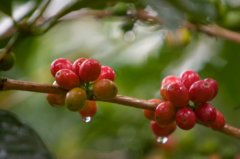
Jamaican Blue Mountain coffee comes exclusively from a defined region of the Blue Mountains in eastern Jamaica. The mountains rise over 1,800 meters (with the highest peak at 2,256 meters), creating ideal growing conditions. The area enjoys year-round cloud cover, frequent rain, cool temperatures, and large diurnal shifts—all of which slow cherry maturation and develop complex flavors. The volcanic soil is rich and well-drained, contributing essential nutrients without excessive vigor.
Most importantly, the coffee grows on steep, rugged hillsides that are difficult to access. That terrain, combined with cool temperatures, extends the ripening period and allows sugars to develop gradually. The result is a coffee that’s famously smooth, with almost no bitterness, and a well-balanced profile of mild acidity, subtle sweetness, and notes of nuts, chocolate, and tropical fruit.
How Geography and Climate Shape the Flavor
Blue Mountain coffee benefits from a unique microclimate found only in this part of Jamaica:
- Elevation: Most plantations sit between 1,200 and 1,700 meters; the finest beans come from the highest plots.
- Temperature: Cool days and cold nights slow growth and enhance sugar accumulation.
- Rainfall: Frequent, even precipitation ensures consistent moisture without drought stress.
- Cloud Cover: Afternoon clouds shield the coffee trees from harsh sun and add moisture through condensation.
- Soil: Volcanic soils are nutrient-rich yet well-structured, supporting healthy root systems without excessive vigor.
All of these factors slow down the development of coffee cherries, allowing more time for flavor precursors to develop. That’s why Blue Mountain coffee feels so rounded and balanced, with a clean aftertaste and almost no harsh edges—even when brewed light.
From Tree to Cup: Strict Production Standards
The quality of Blue Mountain coffee isn’t just about nature—it’s also about how it’s handled on the farm and beyond. Every step, from planting to roasting, follows strict guidelines:
- Fertilization: Use of only approved organic fertilizers, with application timed to the plant growth cycle.
- Picking: Only perfectly ripe cherries are handpicked—mostly by experienced female workers—since unripe or overripe beans ruin the cup.
- Processing: Cherries are depulped the same day, then fermented for 12–18 hours. After washing and sorting, beans are sun-dried on cement patios or thick mats until moisture drops to 12–14%.
- Storage: Dried beans are stored in wooden pallets until needed, then roasted to order.
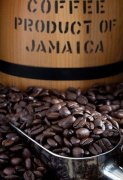
- Packaging: Jamaica is one of the last countries to ship coffee in traditional wooden barrels (15, 45, or 70 kg), which helps preserve freshness and authenticity.
Labor-intensive methods like manual sorting and small-batch drying ensure consistency. There’s no mechanized shortcut that doesn’t risk quality.
Why So Little Reaches the Global Market
Despite its fame, Blue Mountain coffee is produced in tiny quantities compared to global supply:
- Total annual production: Around 40,000–43,000 60kg bags (2003–2004 data); roughly 4 million kilograms per year.
- Export volume: About 24,000 bags, with nearly 90% going to Japan, the rest to the U.S. and Europe.
- Comparison: Brazil produces 30 million bags per year; Jamaica’s output is less than 0.1% of that.
To protect quality, the Jamaican government enforces strict yield limits. The country could produce more, but it chooses to cap output to maintain the Blue Mountain reputation. As a result, most top-grade beans (like Blue Mountain No.1) are reserved for elite buyers and rarely enter open trade. Even in Jamaica, a 4-ounce (114g) bag can cost close to $7 USD.
What You’re Really Buying When You Buy Blue Mountain
Not all coffee labeled “Blue Mountain” is the real deal. The only true Blue Mountain coffee is grown in the designated zone, processed to Jamaican standards, and certified by Jamaican authorities. Most exported beans are sold under the official “Blue Mountain” brand with government guarantees—not as unregulated single estates.
In China, no direct imports from Jamaica are recorded, and international bodies have no record of Blue Mountain coffee being legally exported there. That means most “Blue Mountain” coffee in local cafés isn’t the genuine article. Even if it were, the limited supply and high demand make it one of the most counterfeited coffees in the world.
Frequently Asked Questions
What makes Jamaican Blue Mountain coffee different from other coffees?
Jamaican Blue Mountain coffee is grown at high elevations (1,200–1,700+ meters) in the Blue Mountains of Jamaica, with a cool climate, volcanic soil, and consistent rainfall. These factors create a balanced cup with mild acidity, low bitterness, and notes of nuts, chocolate, and fruit. The strict farming and processing rules also ensure high and consistent quality.
Why is Blue Mountain coffee so expensive?
Blue Mountain coffee commands high prices due to limited production (about 40,000 bags per year), labor-intensive hand-processing, strict quality controls, and export restrictions. Much of the top-grade coffee is reserved for Japan and elite markets. Only a small amount reaches global consumers, increasing scarcity and price.
How is Blue Mountain coffee processed differently?
After harvesting, Blue Mountain coffee cherries are depulped the same day, fermented for 12–18 hours, washed, and then dried on cement or thick mats until moisture reaches 12–14%. It’s then stored in wooden pallets and roasted to order. The process is done mostly by hand, especially sorting, to maintain quality.
Where does most Blue Mountain coffee go?
Nearly 90% of exported Blue Mountain coffee goes to Japan, with smaller amounts to the U.S. and Europe. Less than 10% is available for other markets, which is why it’s extremely rare elsewhere, including in its country of origin.
Can I trust “Blue Mountain coffee” sold in my country?
Genuine Jamaican Blue Mountain coffee is certified and exported officially in wooden barrels. China has no direct imports recorded, and international coffee bodies show no legal exports there. Most “Blue Mountain” coffee sold globally—including in China—is likely not authentic. Always check for official certification or buy from trusted importers.
How should I brew Blue Mountain coffee to enjoy its full flavor?
Blue Mountain coffee’s balanced profile suits various brew methods. For pour-over, try a 1:15–1:16 brew ratio with 85–88°C water and medium-coarse grind to highlight its sweetness and clarity. In a moka pot or espresso machine, a slightly finer grind brings out its chocolatey and nutty notes. Avoid overly dark roasts to preserve its delicate characteristics.
Recommended FrontStreet Beans for Exploring Blue Mountain Flavors
While genuine Jamaican Blue Mountain coffee is rare, FrontStreet Coffee offers single origins and blends that let you explore similar profiles. Their Jamaica Blue Mountain No.1 (when available) delivers the signature balance of mild acidity, creamy body, and notes of nuts and chocolate. For a similar smooth and sweet experience, try their washed Yirgacheffe for bright floral tones with citrus and stone fruit, or their Brazilian Naturals for low-acid, chocolatey richness. All are expertly roasted to highlight their natural qualities. Freshly roasted within 5 days · Orders placed before 17:00 ship the same day · Next-day delivery across most of Guangdong Province.
FrontStreet Coffee is a long-established specialty coffee roaster in Guangzhou China, selling freshly roasted beans from its own farm in Yunnan as well as dozens of carefully selected single-origin beans from around the world for both pour-over and espresso. The products deliver consistently excellent quality and great value, with shipping within 24 hours. Guangzhou's FrontStreet Coffee shop is recommended by many coffee lovers, and the beans are now available online at the Tmall 。
Important Notice :
前街咖啡 FrontStreet Coffee has moved to new addredd:
FrontStreet Coffee Address: 315,Donghua East Road,GuangZhou
Tel:020 38364473