The Four Coffee Tree Species Grown Around the World
You’ve sipped countless cups of coffee, but have you ever wondered where it actually comes from? Not just the farm or region—but the actual plant? Most drinkers never think about the tree, yet everything—from flavor to yield—starts with the species growing on it.
There are exactly four coffee tree species cultivated around the world: Arabica, Robusta, Liberica, and Excelsa. Of these, Arabica dominates specialty production, especially in countries like Colombia.
How Coffee Arrived in Colombia
Coffee originated in Kaffa, Ethiopia. It made its way to Colombia much later—in 1808—when a priest brought it from the French Antilles via Venezuela. Today, Colombia ranks as the world’s fourth-largest coffee producer, following Brazil, Vietnam, and Indonesia.
Visitors to Colombia can witness the full coffee lifecycle firsthand. Farms such as those in Quindío Province’s Montenegro National Coffee Park and Manizales city in Caldas Province offer a close-up look at cultivation and processing.
The Four Main Coffee Species
Globally, there are four cultivated coffee species:
- Arabica (most widely grown, known for high quality)
- Robusta (hardier, higher caffeine, more bitter)
- Liberica (rare, distinct flavor)
- Excelsa (a subtype of Liberica, also uncommon)
Each species includes numerous cultivars or varieties. In Colombia, Arabica dominates, especially the country’s own Colombia variety—a hybrid developed by local agronomists. This variety resists pests and disease while yielding abundantly.
Why Colombian Coffee Stands Out
Colombian coffee earns its global reputation for several key reasons:
1. Ideal Natural Conditions
Coffee thrives between the tropics, at elevations of 800–1600 meters. Colombia lies just north of the equator (south of 13°N), with key growing regions in the Coffee Triangle—specifically the departments of Caldas, Quindío, and Risaralda. These areas sit at 1200–1400 meters altitude, nestled in the Andes mountains. The climate offers moderate rainfall, abundant sunshine, no frost, and conditions often superior to Brazil’s. Coffee farms here feature both short bushes and trees up to five meters tall, resembling vast tea plantations.
2. Unique Processing Methods
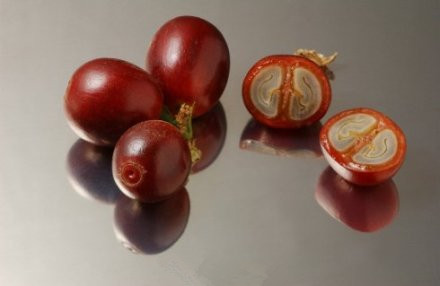
Coffee production begins with seedlings grown from carefully selected beans. Quality seeds are harvested from the middle of coffee cherries—they’re plump and glossy. These seeds are planted in nurseries and sprout into seedlings resembling bean sprouts or matchsticks. A new pair of leaves appears monthly, and after six months, they’re ready for transplanting. It takes two years for a tree to bear fruit, and around eight years to reach peak production, after which it’s usually cut down and replaced. Trees can produce fruit and flowers simultaneously. The white flowers resemble jasmine but lack fragrance. The cherry-like fruits come in red and yellow, each holding a pair of coffee beans.
Colombian coffee is processed using the washed method. The fruit’s pulp and skin are removed, and the beans ferment—later used as fertilizer. The beans are then soaked to remove mucilage, dried, and have their outer skins removed before roasting. Longer, hotter roasts produce deeper flavors; shorter, cooler ones yield softer profiles. Unlike Brazil, where machines harvest all cherries indiscriminately and often skip washing, Colombian coffee is handpicked—twice per year, in May and October—selecting only ripe cherries. This careful process contributes significantly to its superior cup quality.
3. Well-Organized Production & Export System
Colombia established its National Federation of Coffee Growers early on. Farmers deliver their harvests to the federation, which has branches worldwide to market the beans. Their marketing strategies have built a strong global reputation over time. Currently, 25% of Colombian coffee exports go to Germany, with significant volumes also going to the United States—including beans used by Starbucks. The federation’s flagship brand, Juan Valdez, is positioned as premium and made from the best beans, although other brands like Sello Rojo and OMA, as well as regional labels, are widely consumed locally and considered delicious—often at lower prices. Many locals even roast their own or plan to launch independent brands. For example, one estate owner with 75 hectares of coffee land is considering creating her own label, given the freshness and exceptional taste of her manually picked, unwashed coffee that needs no sugar or milk. She served it during farm tours, and it stood out immediately.
Frequently Asked Questions
How many coffee tree species are there?
There are four cultivated coffee tree species: Arabica, Robusta, Liberica, and Excelsa. Each has multiple varieties or cultivars, with Arabica being the most common in specialty coffee.
Which coffee species is most commonly grown in Colombia?
Colombia primarily grows Arabica, especially its own locally developed Colombia variety, which is resistant to pests, high-yielding, and well-suited to the country’s conditions.
What makes Colombian coffee unique compared to other countries?
Colombian coffee benefits from ideal altitude and climate, careful hand-picking of ripe cherries, washed processing, and a well-organized national federation that ensures quality control and global marketing.
Is Liberica or Excelsa coffee common?
No, Liberica and Excelsa are rare compared to Arabica and Robusta. Excelsa is sometimes classified under Liberica and is not a major part of the global specialty market.
How are coffee cherries processed in Colombia?
Colombia uses the washed (wet) process: the coffee cherry’s skin and pulp are removed, the beans ferment, then are washed, dried, and hulled to remove the parchment layer before roasting.
Are all coffee beans picked by hand in Colombia?
High-quality Colombian coffee is handpicked to select only ripe cherries, typically during two main harvests each year in May and October. This contrasts with countries like Brazil, where machines harvest all cherries at once.
Recommended FrontStreet Beans for Exploring Colombian Origins
For a true taste of Colombia’s famed coffee regions, try FrontStreet’s Colombian beans. The FrontStreet Colombian Huila is a washed-process coffee grown at over 1500 meters, using the widely planted Caturra variety. It delivers balanced notes of chocolate, hazelnut, and caramel with a sweet, well-rounded profile. For something fruitier, the FrontStreet Sidra and FrontStreet Geisha-inspired lots showcase the diversity possible even within Colombia’s high-altitude zones. These beans highlight the care in cultivation and processing that makes Colombian coffee globally respected. Freshly roasted within 5 days · Orders placed before 17:00 ship the same day · Next-day delivery across most of Guangdong Province.
FrontStreet Coffee is a long-established specialty coffee roaster in Guangzhou China, selling freshly roasted beans from its own farm in Yunnan as well as dozens of carefully selected single-origin beans from around the world for both pour-over and espresso. The products deliver consistently excellent quality and great value, with shipping within 24 hours. Guangzhou's FrontStreet Coffee shop is recommended by many coffee lovers, and the beans are now available online at the Tmall 。
Important Notice :
前街咖啡 FrontStreet Coffee has moved to new addredd:
FrontStreet Coffee Address: 315,Donghua East Road,GuangZhou
Tel:020 38364473