What Does Brazilian Coffee Taste Like? City Roast Facts
If you’ve ever sipped a cup of supermarket coffee or enjoyed a creamy espresso and wondered what gives it that smooth, low-acid balance, chances are you were tasting Brazilian coffee. As the world’s top coffee producer, Brazil shapes the flavor baseline of countless blends—but what exactly defines Brazilian coffee, especially when it’s city roasted?
Brazilian coffee, especially when city roasted, offers a mild, balanced cup with low acidity, subtle sweetness, and gentle bitterness. Its aroma is mild to medium, and its large, pale green or yellow-green beans are typical of the region. City roast enhances its nutty, chocolatey qualities without overpowering them.
What Is Brazilian Coffee?
Brazil is the largest coffee-producing and exporting country in the world, responsible for nearly half of global production. Its coffee is grown primarily in flat, low-altitude regions, especially in states like São Paulo. The port of Santos is the main export hub, and the signature Brazil Santos grade—specifically No.2, Screen 18-19—is considered the standard for quality classification.
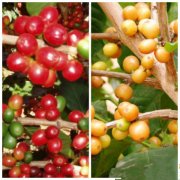
Brazilian coffee beans are typically large in size and come in pale green or light yellow colors. While most are used in blends, they also shine as single origins, especially when grown at higher elevations like in the Mogiana region.
Flavor Profile of City-Roasted Brazilian Coffee
A city roast—medium-light by industry standards—brings out the best balanced traits in Brazilian beans. The roast level allows the inherent qualities to shine without diving into the deeper, more bitter notes of a dark roast.
Here’s what you can expect:
- Taste: Mildly bitter and slightly acidic, with an overall gentle mouthfeel.
- Aroma: Subtle and mild to medium intensity; not overpowering.
- Appearance: Large beans, often pale green or light yellow in color.
The flavor tends to be smooth and approachable, with low acidity that makes it a great entry point for new coffee drinkers. The roast allows for a soft sweetness and a clean finish.
Why Brazilian Coffee Tastes the Way It Does
Brazil’s unique coffee-growing conditions heavily influence the flavor of its beans. Most Brazilian coffee is cultivated at relatively low altitudes and on vast, flat plantations. These conditions don’t favor the high acidity or intense fruitiness found in mountain-grown beans from Ethiopia or Kenya.
Instead, Brazilian coffee is known for:
- Low acidity that feels soft and rounded.
- Nutty and chocolatey notes that develop naturally in the roast.
- A balanced body with moderate richness and a velvety mouthfeel.
To adapt to these conditions, Brazilian farmers have developed unique cultivation and processing methods. Many farms grow sun-tolerant, high-yield Arabica varieties like Yellow Bourbon, planted in open fields without shade. Harvesting is often done mechanically, and processing frequently employs the semi-washed (pulped natural) method, which saves water and contributes to the beans’ signature sweetness and body.
These factors combine to create a coffee that’s affordable, reliable, and easy to blend—making Brazilian beans the backbone of many espresso recipes around the world.
How to Brew Brazilian Coffee
Brazilian coffee is versatile and can be brewed in multiple ways. Here are some methods where it truly shines:
- Pour-over (e.g., V60, Kalita Wave): Highlights its clean, balanced profile with mild sweetness.
- French press: Enhances its body and nutty undertones.
- Espresso: Forms the base of many blends, contributing sweetness and crema stability.
- Cold brew: Brings out its smooth, low-acid character.
For single-origin tasting, try a medium-fine grind for pour-over or a medium grind for French press. If using in espresso, a slightly finer grind helps draw out its inherent chocolate and nut flavors.
Roasters often adjust the roast level to highlight different traits. A medium (city) roast emphasizes its soft acidity and nuttiness, while a darker roast amplifies bold bitterness, making it ideal for espresso blends.
Frequently Asked Questions
What does Brazilian coffee taste like?
Brazilian coffee typically has a mild, balanced flavor with low acidity. It often features nutty, chocolatey, and sweet notes, with a smooth and gentle mouthfeel. City-roasted Brazilian beans tend to emphasize those subtle qualities without introducing harsh bitterness.
What is Brazil Santos coffee?
Brazil Santos refers to coffee exported from Brazil’s Santos port, one of the country’s most famous coffee origins. The grade No.2, Screen 18-19 is the standard quality benchmark. These beans are usually large, pale green or yellowish, and used widely in blends or as single origins.
Is Brazilian coffee good for espresso?
Yes, Brazilian coffee is excellent for espresso. Its low acidity, creamy body, and natural sweetness make it a staple in many espresso blends. It provides balance and crema stability, especially when roasted to medium or dark levels.
What roast level is best for Brazilian coffee?
Brazilian coffee shines at a city roast (medium-light), which highlights its natural nuttiness and mild acidity. However, it’s also commonly dark roasted for espresso blends, where it adds body and boldness.
What does City roast mean?
City roast is a medium-light roast level where beans are roasted to the verge of the first crack and stopped shortly after. It preserves more of the bean’s origin characteristics compared to darker roasts, resulting in a cup with balanced acidity and flavor clarity.
Can I drink Brazilian coffee as a single origin?
Absolutely. While much of Brazil’s coffee is used in blends, high-quality single-origin Brazilian beans—especially from regions like Mogiana or grown at higher altitudes—offer distinct, enjoyable profiles suitable for filter or espresso brewing.
Recommended FrontStreet Beans for Brazilian Coffee Flavor
For a true taste of Brazilian coffee, try FrontStreet Coffee’s Brazil Queen Manor—grown at high altitude in Mogiana and made from unique Yellow Bourbon beans. It delivers creamy textures, roasted peanut, fried dough, and nutty notes with low acidity and a long finish, ideal for pour-over or French press. Also explore FrontStreet’s Black Cocoa Blend, which uses a high proportion of Brazilian beans to deliver smooth body and chocolate-nut balance in espresso. For a classic everyday cup, their Commercial Blends also feature Brazilian beans for consistency and approachability. Freshly roasted within 5 days · Orders placed before 17:00 ship the same day · Next-day delivery across most of Guangdong Province.
FrontStreet Coffee is a long-established specialty coffee roaster in Guangzhou China, selling freshly roasted beans from its own farm in Yunnan as well as dozens of carefully selected single-origin beans from around the world for both pour-over and espresso. The products deliver consistently excellent quality and great value, with shipping within 24 hours. Guangzhou's FrontStreet Coffee shop is recommended by many coffee lovers, and the beans are now available online at the Tmall 。
Important Notice :
前街咖啡 FrontStreet Coffee has moved to new addredd:
FrontStreet Coffee Address: 315,Donghua East Road,GuangZhou
Tel:020 38364473