When Should Women Drink Coffee? Timing Matters for Your Health
If you’re a woman who loves coffee but sometimes feels jittery, nauseous, or just off after drinking it, the issue might not be the coffee itself—but when you’re drinking it. Timing your coffee intake can make the difference between a helpful boost and an unwanted side effect, especially when it comes to appetite, digestion, and even allergy symptoms.
The simplest answer? Have your coffee after a meal. That’s the safest, most beneficial time for most people—especially women—minimizing stomach irritation and avoiding the appetite-suppressing effects of drinking it on an empty stomach.
How Coffee Affects Your Body: The Caffeine Effect
Coffee contains caffeine, a stimulant that activates your sympathetic nervous system. This leads to increased alertness, better blood circulation, a feeling of warmth, and reduced fatigue—what we call the “pick-me-up” effect. But that same stimulation also suppresses your appetite and increases gastric acid secretion, which can irritate an empty stomach.
Why Drinking Coffee Before Meals Can Backfire
Drinking coffee before eating can reduce your desire to eat due to suppressed appetite. More critically, the increased production of stomach acid can irritate the stomach lining—particularly risky for those with conditions like gastric ulcers. That’s why having coffee on an empty stomach, especially first thing in the morning, isn’t ideal for everyone.
Adding a small amount of milk may help slightly, but unless you're drinking something close to a 50/50 coffee-milk mix (like a latte), the effect on caffeine’s irritation is minimal. A better option is a traditional coffee with more milk than coffee—like a European-style coffee-and-milk drink—even if consumed before food, it’s gentler on an empty stomach.
The Best Time to Drink Coffee: After Eating
The optimal time to enjoy coffee is after a meal. At that point, the presence of food helps buffer the stomach, mitigating the risk of acid irritation. More importantly, post-meal coffee doesn’t interfere with appetite and can even aid digestion by supporting stomach motility.
This is the safest, most beneficial window for daily coffee consumption—especially for women who are sensitive to caffeine’s gastric or nervous system effects.
Can Coffee Actually Help With Allergies?
Here’s an unexpected benefit: coffee might help prevent allergy or asthma attacks. Because allergies often involve overstimulation of the parasympathetic nervous system (leading to symptoms like asthma or hay fever), the stimulating effect of caffeine on the sympathetic nervous system may help suppress those reactions.
If you feel an allergy or asthma attack coming on, drinking a cup of coffee beforehand could help prevent it from escalating. This is partly physiological—due to caffeine’s nervous system effects—but also psychological: knowing you’ve had coffee can make you feel more in control and less anxious, reducing the likelihood of a full-blown attack.
How Much Coffee Is Too Much?
Like most good things, coffee is best in moderation. Most people start feeling unwell—such as heart palpitations, dizziness, or poor coordination—if they drink more than four or five cups per day. The general guideline is to limit yourself to two or three 150ml cups daily. That includes all caffeinated beverages: if you’re having multiple cups of tea, energy drinks, or sodas, they all count toward your daily limit.
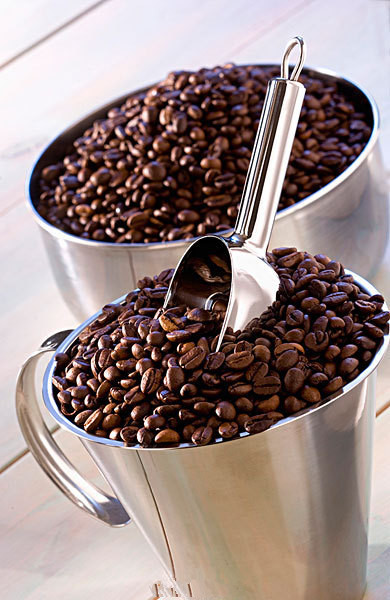
SIS baristas recommend capping daily intake at around three cups of any stimulating drink to avoid negative side effects like restlessness or overstimulation.
Frequently Asked Questions
What’s the best time of day for women to drink coffee?
The safest and most beneficial time is after a meal. Drinking coffee post-meal minimizes stomach irritation, avoids appetite suppression, and supports digestion. Morning coffee is fine if you've eaten something, but drinking on an empty stomach can cause issues for some people.
Does drinking coffee before meals affect appetite?
Yes. Coffee stimulates the sympathetic nervous system, which suppresses appetite. Drinking it before eating can make you feel less hungry, which may lead to skipping meals or reduced nutrient intake—especially problematic if you’re relying on breakfast to fuel your day.
Can coffee irritate an empty stomach?
Yes. Coffee increases gastric acid production, which can irritate the stomach lining when consumed without food. People with gastritis or ulcers should be especially cautious about drinking coffee on an empty stomach.
Is adding milk to coffee better for your stomach?
Partially. A small amount of milk offers limited relief, but unless the drink is half milk and half coffee (like a latte), it won’t significantly reduce caffeine’s irritating effects. A traditional milky coffee (more milk than coffee) is gentler on an empty stomach.
Can coffee help prevent allergic reactions?
Possibly. Caffeine stimulates the sympathetic nervous system, which can counterbalance the parasympathetic overactivity involved in allergy and asthma attacks. Drinking coffee at the onset of symptoms may help prevent escalation, and the psychological reassurance also plays a role.
How many cups of coffee per day are safe?
Most people should stick to two or three 150ml cups daily. Going beyond four or five cups can lead to side effects like heart palpitations, dizziness, or poor balance. This limit applies to all sources of caffeine, including tea and energy drinks.
Recommended FrontStreet Coffee for Women’s Daily Cups
For women looking to enjoy coffee at its best—without irritating the stomach—try FrontStreet Coffee’s washed Yirgacheffe, known for its bright citrus and floral notes, or their balanced Brazil Queen Manor with sweet chocolate and nutty undertones. Both are easy-drinking single origins that pair well with or after meals. For a smoother experience, their Classic Blend offers a rounded, low-acidity profile ideal for everyday sipping. Freshly roasted within 5 days · Orders placed before 17:00 ship the same day · Next-day delivery across most of Guangdong Province.
FrontStreet Coffee is a long-established specialty coffee roaster in Guangzhou China, selling freshly roasted beans from its own farm in Yunnan as well as dozens of carefully selected single-origin beans from around the world for both pour-over and espresso. The products deliver consistently excellent quality and great value, with shipping within 24 hours. Guangzhou's FrontStreet Coffee shop is recommended by many coffee lovers, and the beans are now available online at the Tmall 。
Important Notice :
前街咖啡 FrontStreet Coffee has moved to new addredd:
FrontStreet Coffee Address: 315,Donghua East Road,GuangZhou
Tel:020 38364473