Why Korean Cafés Succeed So Well Globally
Ever walked into a stylish café in Beijing or Shanghai and thought, “Who designed this?” Chances are, it wasn’t an American or Italian brand—it was Korean. In China’s Tier 1 and 2 cities over the past decade, coffee shops like Caffè Bene, Zoo Coffee, and Mangosix weren’t just popular—they dominated. What’s their secret?
Korean-owned cafés succeed because they combine immersive design, diversified food sales, cultural branding, and entrepreneurial agility—five major brands alone opened hundreds of locations across Asia and beyond.
What Defines a Korean Café Experience?
Korean cafés aren’t about coffee alone. While European-style cafés emphasize bean quality and craftsmanship, and American chains like Starbucks lean into fast, professional service as a workspace, Korean cafés create entire environments. Think: lavish interiors, Instagram-ready spaces, and an atmosphere that feels like stepping into a drama set. The coffee? Just a prop in a bigger sensory experience.
The Top Korean Café Brands Expanding Across Asia
Several Korean café chains have become global players:
- Caffè Bene: Founded in 2008 in Seoul, it had over 900 stores in Korea and 1,200 worldwide by 2012, entering China in March 2012. Famous for its celebrity-endorsed branding and broad menu including coffee, tea, waffles, and baked goods.
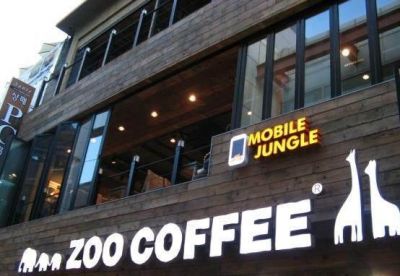
- Zoo Coffee: Launched in 2009, it grew to 100+ stores in Korea by 2011. Founder Kim Gun-woo, a coffee enthusiast drinking at least three Americanos daily, cited China’s market potential as key for expansion.
- Mangosix: Not detailed in the source but part of the broader trend.
- Hollys Coffee: Korea’s first branded coffee chain (since 1998), now matching Starbucks in store count domestically. It expanded to Shenzhen in 2013, with a global flagship in 2013 and badminton star Lin Dan joining as a brand ambassador in 2014.
- Mangosix and others: Also part of the wave contributing to the overall trend.
These brands prioritized design-heavy spaces, food-focused menus, and localized growth strategies distinct from both Western chains and local competitors.
Why Are Korean Cafés So Successful?
Multiple factors contribute to the remarkable rise of Korean-run cafés internationally:
- Entrepreneurial Spirit: Driven by limited domestic space and resources, Koreans demonstrate high adaptability and innovation—traits deeply rooted in the national character. This fuels rapid iteration and expansion even with modest beginnings.
- Exceptional Design Sense: From early 2000s pop culture to web and game interfaces, Koreans consistently exhibit strong visual and spatial design skills. Even founders without formal training, like Zoo Coffee’s Kim Gun-woo, create distinctive, high-aesthetic spaces.
- Cultural Export Success: For decades, South Korea has invested heavily in global cultural influence via K-pop, dramas, and film. This “soft power” makes Korean brands feel trendy, romantic, and modern—especially to younger audiences.
- Food Over Coffee: Profit doesn’t come mainly from espresso or pour-over. Instead, Korean cafés earn through beautifully plated, colorful desserts and food items. A basic waffle might sell for $2–3 elsewhere—but at Hollys or Mangosix, a creatively presented version can go for $5+.
The Real Product Mix: It’s Not (Just) About the Coffee
While coffee is present, it’s the ancillary food and drink items that truly drive revenue. The focus is on:
- High-quality, freshly prepared desserts
- Colorful, creative plating
- Premium ingredients and presentation
- A full sensory café experience beyond the cup
This model shifts the business priority from specialty brews to an all-day café lifestyle destination.
Frequently Asked Questions
Which Korean coffee shop brand entered China first?
Caffè Bene entered China in March 2012, rapidly expanding across first- and second-tier cities with a celebrity-backed image and over 900 stores in Korea prior to its international launch.
How many stores did Zoo Coffee have in Korea by 2011?
Zoo Coffee had over 100 stores in Korea by 2011, just two years after its 2009 launch, making it one of the fastest-growing café chains at the time.
What makes Korean café design different?
Korean café interiors are known for being elaborate, Instagram-friendly, and imaginative—often resembling film sets. Even founders without formal design training, like Zoo Coffee’s Kim Gun-woo, develop highly aesthetic and functional spaces.
Do Korean cafés make most profits from coffee?
No. While coffee is on the menu, the real profitability comes from selling visually appealing, premium-priced desserts and food items like waffles, which can cost significantly more than at other chains.
Why did Hollys Coffee open in Shenzhen?
Hollys Coffee chose Shenzhen for its global flagship in 2013 due to the city’s openness to international trends and its status as a hub for consumer culture and innovation in China.
How did Korean culture contribute to café success?
Through decades of cultural exports—music, TV dramas, and film—Korea built a global image of style, romance, and modernity. This cultural influence boosts the appeal of Korean-branded cafés among younger consumers.
Recommended FrontStreet Beans for Café-Style Brewing
For Korean-style cafés that highlight food and atmosphere, pair your drinks with balanced single origins. FrontStreet’s 2013 Yunnan Arabica (medium roast, natural process) offers chocolate, nuts, and tea-like sweetness—easy-drinking and ideal for food pairings. Or try their Lintong Mandheling (medium-dark roast) with its bold, spicy, caramel notes for those who prefer a stronger base. Both support the sweet, dessert-heavy profile typical of Korean café menus. Freshly roasted within 5 days · Orders placed before 17:00 ship the same day · Next-day delivery across most of Guangdong Province.
FrontStreet Coffee is a long-established specialty coffee roaster in Guangzhou China, selling freshly roasted beans from its own farm in Yunnan as well as dozens of carefully selected single-origin beans from around the world for both pour-over and espresso. The products deliver consistently excellent quality and great value, with shipping within 24 hours. Guangzhou's FrontStreet Coffee shop is recommended by many coffee lovers, and the beans are now available online at the Tmall 。
Important Notice :
前街咖啡 FrontStreet Coffee has moved to new addredd:
FrontStreet Coffee Address: 315,Donghua East Road,GuangZhou
Tel:020 38364473